
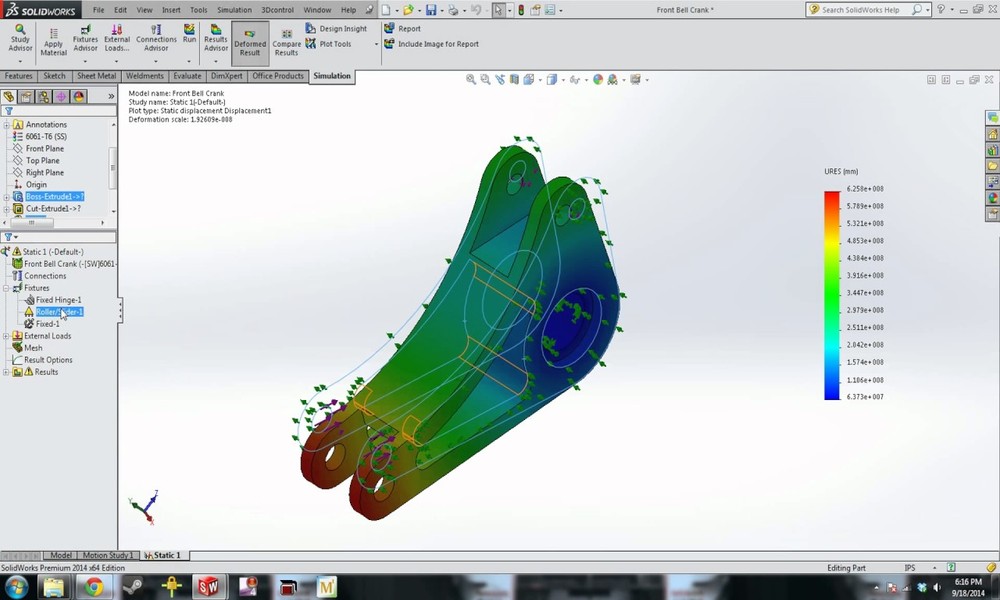
For students entering engineering, design, or manufacturing fields, learning SolidWorks is a valuable step toward building practical, job-ready skills. However, getting started the right way can make a significant difference in how quickly you progress and how confidently you apply what you learn. With the right approach-and a structured SolidWorks course-students can build a strong foundation early on.
Understanding Why SolidWorks Matters
SolidWorks is widely used across industries for 3D modeling, product design, and simulation. Employers often expect graduates to have at least a basic understanding of the software. By learning SolidWorks early, students gain a competitive edge and improve their readiness for internships and entry-level roles.
More importantly, SolidWorks helps bridge the gap between theory and real-world application, allowing students to visualize and test their ideas.
Start with the Basics
The key to success is not rushing into advanced features too soon. Begin with the fundamentals-learning the interface, sketching tools, and simple 3D modeling techniques.
A beginner-friendly SolidWorks course typically introduces these concepts step by step, making it easier to understand how each feature works and how they connect. Mastering the basics ensures that more complex topics will feel less overwhelming later.
Practice with Purpose
Learning SolidWorks requires hands-on experience. Instead of only watching tutorials, students should actively create models and experiment with different tools.
Start with simple objects and gradually increase complexity. Recreating everyday items or working on small projects helps reinforce your understanding and builds confidence over time.
Use Learning Resources Wisely
There are many resources available to help students learn SolidWorks, including online tutorials, forums, and guided courses. Choosing a structured SolidWorks course can provide a clear learning path and prevent confusion.
Having access to instructors or mentors can also make a big difference, especially when tackling difficult concepts.
Build a Portfolio Early
As you gain skills, start building a portfolio of your work. Include models, assemblies, and drawings that showcase your abilities. This not only tracks your progress but also becomes a valuable asset when applying for internships or jobs.
Employers often look for practical examples of what candidates can do with SolidWorks.
Final Thoughts
Getting started with SolidWorks as a student doesn’t have to be complicated. By focusing on the basics, practicing consistently, and enrolling in a well-structured SolidWorks course, you can develop strong skills that support your academic and professional journey. Starting early and learning the right way sets the foundation for long-term success in engineering and design.

Comments are closed.