Category

Industry

Category

Choosing the right patio contractors is a big decision that shapes both your home’s look and how you enjoy it with family or neighbors. Every detail matters, from the first call to the final finish on a project in Marysville or Powell.

Stories from Central Ohio homeowners often come down to trust. You want quality work and a space that holds up over time. Costs, timelines, and design options all come together more smoothly when expectations are clear from the start.

Local experience also matters. A contractor who understands soil conditions across Union County, Delaware, Plain City, Bellefontaine, and Indian Lake will plan differently than someone unfamiliar with the area. You should also understand how the contractor approaches long-term performance and support after installation.

Verify Contractor’s Licensing and Insurance

There are a few steps you should take to confirm if a patio contractor is properly licensed and insured. Start by checking their license through your state’s contractor board.

  1. License Verification: Confirm the contractor meets Ohio requirements for residential projects.
  2. Insurance Coverage: Ask for proof of liability and workers’ compensation coverage.
  3. Documentation Transparency: Review all documents before work begins so expectations are clear.
  4. Local Compliance Awareness: Contractors familiar with Central Ohio regulations help ensure proper installation standards.

Working with experienced patio contractors in Marysville helps support a smooth and reliable project.

Assess Experience with Similar Projects

Asking about a contractor’s experience with similar patio projects helps you understand their capabilities.

  1. Years in the Industry: Look for teams with long-standing experience in Central Ohio. Coughlin Concrete’s father-and-son team brings over 40 years of combined expertise.
  2. Project Types Completed: Confirm experience with concrete patio services and stamped concrete services.
  3. Specialization: Focus on contractors who regularly build custom residential outdoor spaces.
  4. Portfolio and Results: Ask to see completed projects that reflect consistent craftsmanship and attention to detail.

This step helps you align your expectations with proven results.

Understand Their Process and Planning Approach

A clear process reflects professionalism and preparation.

  1. Project Planning Steps: Ask how grading, drainage, and layout are evaluated.
  2. Design Collaboration: Choose a contractor who works with your ideas and refines them.
  3. Installation Timeline: Understand how scheduling and weather may affect progress.
  4. Consultation Framework: Coughlin Concrete uses a 7-Point Project Concept Consultation™ to guide each project from concept to completion.

A structured process supports both efficiency and long-term performance.

Evaluate Materials and Craftsmanship

Material quality and installation techniques directly affect durability and appearance.

  1. Material Selection: Ask about concrete types, finishes, and sealers used.
  2. Craftsmanship Standards: Skilled general concrete contractors focus on precision and proper curing.
  3. Design Options: Explore patterns and finishes that match your home’s style.
  4. Long-Term Performance: Quality materials and installation support durability in Central Ohio conditions.

Strong craftsmanship helps create a patio that performs and looks consistent over time.

Choose a Contractor You Can Trust

Selecting the right contractor comes down to trust, communication, and shared vision. Your patio should reflect how you use your space and what you value in your home.

At Coughlin Concrete, we bring craftsmanship, precision, and local experience to every project across Marysville, Delaware, Plain City, Powell, Bellefontaine, and Indian Lake. As a family-owned team with nearly two decades of experience, we focus on building outdoor spaces that last.

Homeowners searching for a reliable patio builder in Marysville can count on clear planning, strong materials, and consistent execution.

If you are ready to move forward, we invite you to Request an Estimate and start your project with confidence.

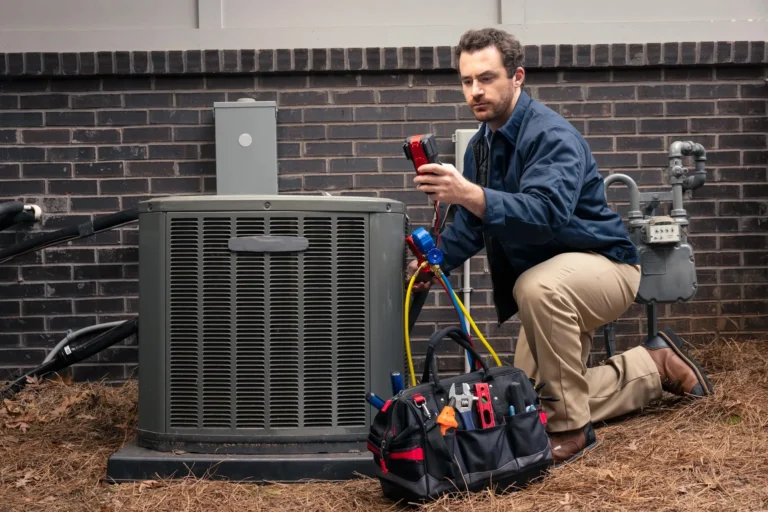
Older 5-ton AC units in South Florida can create repair challenges that catch even experienced technicians off guard. Over time, worn components increase energy use, reduce cooling performance, and make service calls more complex.

These aging systems often require more frequent maintenance with reliable HVAC Service & Repair Parts just to maintain acceptable performance during long cooling seasons. What once operated consistently can begin showing pressure issues, airflow restrictions, and reduced system response.

Contractors may arrive at job sites where sudden breakdowns were preventable with earlier inspections, replacement planning, or better part matching. In Miami-Dade County and surrounding South Florida service areas, year-round heat and humidity place added stress on older equipment.

Increased Energy Consumption and Costs

Rising energy costs make aging cooling systems harder to justify, especially for commercial properties and larger residential projects.

  1. Loss of Efficiency: Older 5-ton systems often run longer to produce the same cooling output, increasing energy demand.
  2. Higher Utility Bills: As components wear down, each cooling cycle can require more power to maintain temperature targets.
  3. Overworked Components: Compressors, blower motors, and coils experience added strain when system efficiency declines.
  4. Poor Thermostat Response: Slow or uneven cooling may cause users to lower thermostat settings, increasing energy use.
  5. Cumulative Costs: Small efficiency losses can become significant operating expenses across long South Florida cooling seasons.

Frequent Component Failures and Repairs

Repair costs often rise as 5-ton systems age in South Florida’s demanding climate.

  1. Capacitor and Electrical Failures: Aging capacitors, relays, and wiring connections can cause shutdowns, short cycling, or inconsistent operation.
  2. Compressor Repair Decisions: Compressor issues become more expensive as equipment ages, often pushing contractors to compare repair costs against replacement options.
  3. Refrigerant Compatibility Concerns: Older systems may use refrigerants that are harder to source, making service planning more complex.

Reduced Cooling Efficiency and Comfort

Wear and tear on aging 5-ton units leads to performance changes that affect building comfort and service reliability.

  1. Weak Airflow: Aging blower components and dirty coils can limit air movement, causing uneven cooling across zones.
  2. Refrigerant Line Wear: Worn seals or aging connections may reduce cooling output and place additional strain on the compressor.
  3. Outdated Controls: Older systems may lack modern control features that improve efficiency, scheduling, and system monitoring.


Elevated Risk of System Downtime

Unexpected downtime becomes more likely when older systems remain in service without a replacement or parts strategy.

  1. Heat Stress on Components: South Florida’s long cooling season adds stress to compressors, coils, and motors.
  2. Electrical Wear: Older electrical connections and control parts can fail under heavy demand.
  3. Moisture-Related Wear: Humidity can accelerate corrosion and drainage issues, especially around outdoor components and coils.

Deterioration of Indoor Air Quality

As aging systems lose efficiency, air movement and filtration performance may decline.

  1. Filter and Coil Buildup: Dirty filters and coils restrict airflow and reduce system performance.
  2. Moisture Control Issues: Poor humidity management can contribute to damp conditions inside ducts and air handlers.
  3. Contaminant Recirculation: Neglected systems may circulate dust and debris more frequently through occupied spaces.

Repairs on aging 5-ton systems require accurate part selection, safe diagnostics, and a practical cost-versus-replacement review. Contractors need reliable access to Air Conditioner Units by Size, AC Brands & Models, HVAC Service & Repair Parts, and HVAC Tools & Equipment to make informed service decisions.

Imperial AC Supply supports professionals across South Florida and nationwide with product options designed for repair planning, replacement comparisons, and commercial HVAC needs. Review product availability, compare compatible options, request a quote, or contact the team for delivery, pickup, and technical support guidance.

Explore 5-ton system options at:

https://imperialacsupply.com/product-category/air-conditioners/by-tonnage/5-ton-and-more/

What Makes a Reliable Crane Company in Singapore So Important?

In Singapore’s fast-paced industrial landscape, efficiency and safety are paramount when it comes to material handling and heavy lifting. Whether you’re operating in construction, manufacturing, or logistics, having the right crane setup can significantly impact your project timelines and workplace safety. This is why selecting a trusted crane company in Singapore isn’t just a matter of convenience-it’s a strategic decision that influences your entire operation.

Local businesses increasingly prefer working with companies that not only provide equipment but also bring extensive expertise and tailored solutions to the table. Singapore’s unique infrastructure and strict safety regulations require crane providers who truly understand the local environment and compliance standards. This expertise ensures that every installation, maintenance, and upgrade meets the highest benchmarks, reducing downtime and avoiding costly accidents.

How Do Overhead Crane Festoon Systems Improve Daily Operations?

One particular technology gaining traction across various industries in Singapore is the overhead crane festoon system. If you’re wondering what makes this system a game-changer, it’s worth diving into how it enhances crane functionality and safety.

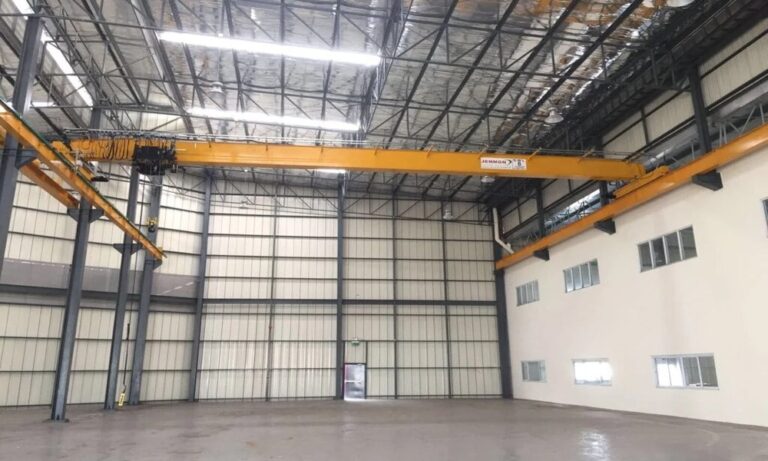
Overhead cranes are integral to many industrial processes, but their efficiency depends heavily on how power and control cables are managed. This is where overhead crane festoon systems come into play. These systems organize and protect cables, enabling smooth crane movement without tangling or wear and tear. By doing so, they extend the lifespan of your crane components and minimize maintenance needs.

In Singapore, where space optimization and operational uptime are critical, festoon systems help businesses avoid unexpected delays caused by cable failures. They also contribute to a safer work environment by reducing tripping hazards and ensuring consistent power supply to the crane’s controls.

Why Should Singaporean Businesses Invest in Tailored Crane Solutions?

Every industrial operation has its own unique challenges and requirements. A one-size-fits-all crane is rarely the answer. This is especially true in Singapore, where factories and warehouses often have tight layouts and specific regulatory considerations. Partnering with an experienced crane company in Singapore means gaining access to customised solutions that fit your exact needs.

Such companies bring deep knowledge of both the equipment and local conditions. They can recommend appropriate crane types, lifting capacities, and safety features that align with your operational goals. Moreover, they provide ongoing support, from installation to maintenance, ensuring your cranes remain reliable over time.

For example, incorporating an overhead crane festoon system designed specifically for your workflow can prevent cable damage and improve operator control, ultimately boosting productivity. This level of service and expertise can make the difference between frequent downtime and smooth, continuous operations.

How Does Choosing the Right Crane Partner Reflect on Your Business’s Credibility?

Selecting a reputable crane provider is also a reflection of your company’s commitment to quality and safety. In Singapore’s competitive market, demonstrating that you use certified, well-maintained equipment conveys professionalism to clients and partners alike. It shows that your business values employee safety and operational excellence.

Companies like Shin Guan Pte Ltd bring decades of industry experience, combining technical know-how with a strong focus on compliance and customer satisfaction. Their reputation as a leading crane company in Singapore is built on delivering solutions that meet stringent local standards while advancing industry best practices.

This trusted partnership ultimately helps your business reduce risks, avoid legal complications, and maintain a strong standing in Singapore’s industrial sector.

What Should You Look for When Considering Overhead Crane Festoon Systems?

If you’re contemplating upgrading or installing overhead crane festoon systems, there are several factors Singaporean businesses should keep in mind. Compatibility with your existing crane setup, durability under Singapore’s tropical climate, and ease of maintenance are crucial considerations.

Top providers offer festoon systems engineered for smooth cable movement and resistance to corrosion, which is especially important given Singapore’s humidity and occasional heavy rainfall. Additionally, choosing festoon systems from a knowledgeable supplier ensures that installation is done correctly, optimising the crane’s range and reducing potential hazards.

By investing in high-quality festoon systems, your overhead cranes will operate more efficiently, with fewer interruptions and enhanced safety features. This translates to better workflow continuity and lower operational costs in the long run.

Why Partnering with Specialist Crane Companies Benefits Singapore’s Industrial Growth

Singapore’s ambition to be a global hub for advanced manufacturing and logistics depends on robust infrastructure and reliable equipment. Specialist crane companies contribute significantly to this vision by providing tailored, high-performance solutions that keep operations running smoothly.

By choosing a company like Shin Guan Pte Ltd, you’re not just getting equipment-you’re gaining a partner committed to continuous innovation, safety, and excellence. Their expertise in products like overhead crane festoon systems reflects their investment in advancing Singapore’s industrial capabilities.

In the end, the right crane partner empowers your business to meet tight deadlines, comply with regulations, and safeguard your workforce, all while enhancing overall productivity.

Final Thoughts: Why Your Choice of Crane Company in Singapore Matters More Than Ever

In today’s demanding industrial climate, the importance of working with an experienced and trustworthy crane company in Singapore cannot be overstated. From customised crane solutions to advanced technologies like overhead crane festoon systems, these investments shape your operational success and safety.

By understanding the benefits and selecting the right partner, Singaporean businesses can confidently navigate complex lifting challenges, improve efficiency, and maintain compliance with local standards. As the industrial sector evolves, making informed decisions about crane equipment and services will continue to be a key driver of sustainable growth and competitiveness.

Key Takeaways

  • Gas monitoring helps workplaces identify harmful leaks early so teams can respond before gas levels create serious safety risks.
  • A fixed gas detection system monitors air continuously and alerts workers quickly when gas levels move beyond safe limits.
  • Reliable gas detection equipment helps staff react faster, improving workplace awareness and guiding safer daily work habits.
  • Continuous monitoring provides clear data that safety teams can review while planning ventilation, inspections, and risk control.

Introduction

Air inside an industrial building may appear normal while harmful gases move through pipes, tanks, or enclosed work areas where daily tasks take place. Workers cannot see these gases, and smell rarely provides a dependable warning when levels begin to rise. Alerts from a fixed gas detection system help staff recognise rising gas levels early so teams can react quickly and keep working conditions safer.

Where Gas Hazards Appear in Daily Operations

Routine Tasks Can Release Gas

Daily work activities may release gas into the air without drawing attention during the early stage of a leak or adjustment. Equipment repairs, valve adjustments, or storage handling may release small amounts of gas that spread through nearby work areas. Workers moving between rooms or mechanical spaces may step into an area where gas has slowly collected, which is when gas detection equipment becomes important for identifying changes in air conditions before workers feel any effects.

Early alerts help teams respond in an organised manner while supervisors review the situation. Staff can increase ventilation, inspect nearby equipment, or restrict entry to the affected area while the source of the gas is checked.

Continuous Monitoring Shows Changes Quickly

Occasional air checks cannot capture sudden shifts that may occur during production activities. Machinery operation, temperature changes, or pressure differences inside pipelines may cause gas levels to rise during a working shift. To keep track of these changes throughout the day, many facilities rely on a fixed gas detection system that monitors air conditions and reports when readings begin to move beyond safe limits.

Safety teams can view readings on control panels or monitoring screens across the facility, which helps them understand how air conditions behave in different areas. Engineers may use this information to identify spaces where ventilation adjustments or equipment inspections could reduce risk.

Gas Monitoring and Worker Awareness

Alerts Tell Workers When to Act

Clear warnings help workers react without delay when conditions change. When an alarm from gas detection equipment activates, staff receive a signal that air conditions require immediate attention. Lights, sound alarms, or digital displays inform workers that they should pause their tasks and review the surrounding environment.

Workers can then follow established safety procedures. Teams may move toward a safer area, inspect nearby equipment, or contact supervisors who can assess the situation and organise the next steps.

Visible Monitoring Encourages Safer Habits

Monitoring tools influence how workers think about safety during everyday tasks. Air readings displayed on control panels or monitoring screens help workers become familiar with checking conditions during inspections or equipment checks. Continuous monitoring keeps safety information visible throughout the working day so workers remain aware of environmental conditions.

With time, checking gas readings becomes part of normal workplace routines because workers grow accustomed to reviewing the displays during regular tasks.

Preparing for Unexpected Situations

Monitoring Data Helps Emergency Teams

Gas leaks require quick and informed decisions from supervisors and emergency responders. Supervisors need clear information about where the gas is coming from and how serious the leak may be before deciding whether to evacuate an area or isolate equipment. Accurate readings displayed by gas detection equipment help identify gas concentration levels and the affected location.

Emergency teams can review monitoring data before entering a space so that they understand the level of risk involved.

Long-Term Monitoring Helps Safety Planning

Industrial facilities change gradually as equipment is replaced, layouts are adjusted, or maintenance activities take place. Each of these changes may influence how gases move through the building or collect in certain areas. Monitoring records help engineers observe these changes over time. Across many facilities, a fixed gas detection system tracks air conditions and records data that safety teams can review.

Safety managers can examine this information when planning ventilation improvements, equipment placement, or workplace procedures that reduce exposure risks.

Conclusion

Harmful gases can build up without visible signs, which makes dependable monitoring essential for maintaining workplace safety in environments that handle fuels or chemicals. Monitoring tools convert hidden gas risks into clear information that workers and supervisors can understand and act upon during daily operations.

Continuous monitoring helps teams react quickly to leaks, equipment faults, or changing air conditions that may develop during normal operations.

Contact Ansac Technology today to discuss monitoring solutions that help your workplace track gas levels and maintain safer operations across your facility.

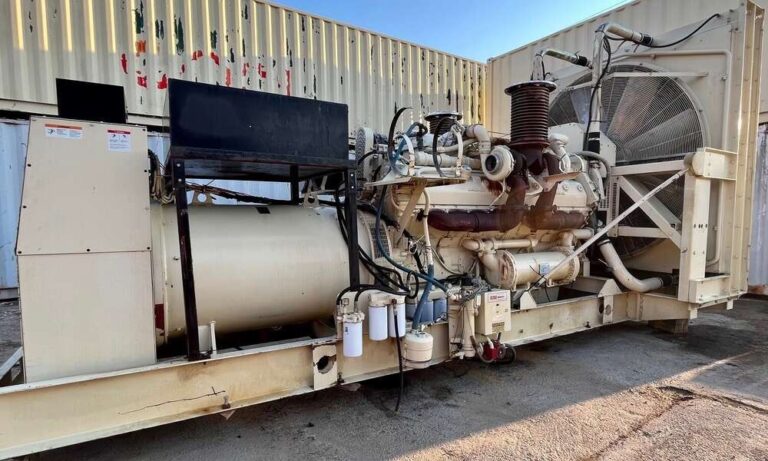
In today’s fast-paced world, uninterrupted power supply is essential for businesses, construction sites, and even residential properties. Investing in used diesel generators for sale is a practical and cost-effective solution for those who need reliable backup or primary power without the high cost of new equipment. These generators offer excellent performance, durability, and value, making them a popular choice across various industries.

Why Choose Used Diesel Generators?

One of the biggest advantages of purchasing used diesel generators is affordability. New generators can be expensive, especially for high-capacity units. Used options provide significant savings while still delivering dependable performance. Many pre-owned generators are well-maintained, inspected, and refurbished to meet industry standards, ensuring buyers get a reliable machine at a fraction of the cost.

Additionally, diesel generators are known for their long lifespan. Even after years of use, they can continue to operate efficiently when properly serviced. This makes buying used equipment a smart long-term investment.

Key Benefits of Used Diesel Generators

Cost-Effective Power Solution

Buying used diesel generators allows businesses to reduce upfront costs without compromising on quality. This is particularly beneficial for startups and small businesses operating on tight budgets.

Immediate Availability

Unlike new generators that may require manufacturing and shipping time, used units are typically available for immediate purchase and deployment. This is crucial for urgent power needs.

Proven Performance

Used generators often come with a service history, giving buyers insight into their performance and maintenance record. This transparency helps in making informed decisions.

Environmentally Friendly Choice

Reusing equipment reduces waste and minimizes the environmental impact associated with manufacturing new machinery. Choosing used generators supports sustainability efforts.

What to Look for When Buying Used Diesel Generators

When searching for used diesel generators for sale, it’s important to evaluate a few critical factors:

  • Operating Hours: Lower hours generally indicate less wear and tear.
  • Maintenance Records: A well-documented service history ensures reliability.
  • Condition of Components: Check the engine, alternator, and control panel for any signs of damage.
  • Load Capacity: Ensure the generator meets your power requirements.
  • Brand Reputation: Opt for trusted brands known for durability and performance.

Conducting a thorough inspection or working with a reputable supplier can help you secure a high-quality generator that meets your needs.

Applications of Used Diesel Generators

Used diesel generators are versatile and suitable for a wide range of applications, including:

Their ability to deliver consistent power in demanding environments makes them an essential asset across multiple sectors.

Final Thoughts

Investing in used diesel generators for sale is a smart choice for anyone seeking reliable and affordable power solutions. With proper research and careful selection, buyers can enjoy the benefits of high-performance equipment without the premium price tag. Whether for backup or continuous power, used diesel generators provide a dependable and sustainable option for meeting energy needs.

Across manufacturing, food production, logistics, and engineering sectors, industrial vacuum sealing has become a critical process for protecting products, extending shelf life, and improving operational efficiency.

From factories and warehouses to commercial food processors and fulfilment centres, vacuum sealing offers a controlled, repeatable packaging solution that supports quality assurance and waste reduction at scale.

What Is Industrial Vacuum Sealing?

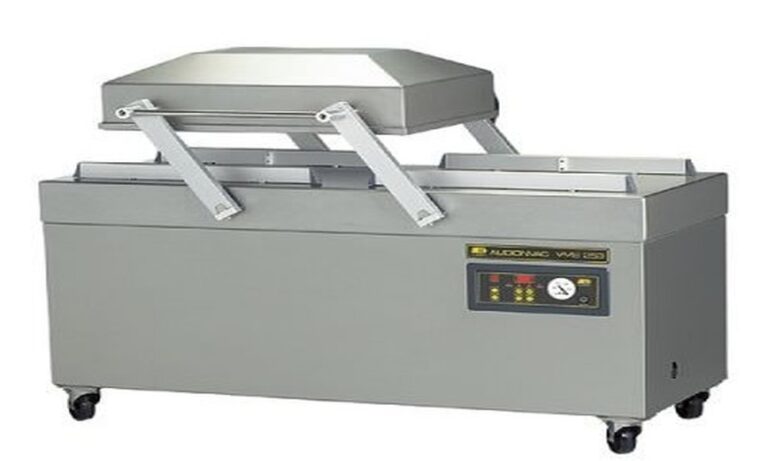
Industrial vacuum sealing is the process of removing air from packaging before sealing, using robust, high-capacity machines designed for frequent and continuous operation. By eliminating oxygen, vacuum sealing helps prevent:

  • Oxidation
  • Moisture ingress
  • Contamination
  • Bacterial and mould growth

Unlike domestic units, industrial vacuum sealers are engineered to handle higher volumes, larger products, thicker bags, and demanding production environments.

Why Vacuum Sealing Is Essential in Industrial Applications

1. Extended Shelf Life for Commercial Products

In food manufacturing and processing, vacuum sealing significantly extends product shelf life without relying on chemical preservatives. This is especially important for:

  • Meat and fish processing
  • Cheese and dairy production
  • Ready meals and batch-prepared foods
  • Ingredients supplied to catering and hospitality

Longer shelf life reduces spoilage, supports wider distribution, and improves stock control.

2. Protection During Storage and Transport

In non-food industries, vacuum sealing provides a highly effective barrier against moisture, dust, and corrosion. It is widely used to protect:

  • Metal components and precision parts
  • Electrical items and circuit boards
  • Automotive and engineering components
  • Medical and laboratory supplies

By removing air, vacuum sealing helps prevent rust, oxidation, and environmental damage during long-term storage or international shipping.

3. Improved Efficiency and Consistency

Industrial vacuum sealers are designed for speed and repeatability. Automated sealing cycles ensure:

  • Consistent seal quality
  • Reduced manual handling
  • Faster packaging throughput
  • Lower labour costs

For operations handling large volumes, this consistency is critical for meeting quality standards and compliance requirements.

Vacuum Sealing in Food Production and Processing

In commercial food environments, vacuum sealing plays a key role in:

  • Batch preparation – sealing large quantities efficiently
  • Portion control – reducing waste and improving accuracy
  • Cold-chain management – maintaining freshness during chilled or frozen transport
  • Sous vide production – ensuring airtight packaging for controlled cooking

Industrial machines are built to cope with liquids, oils, and marinades – something domestic machines struggle with under continuous use.

Choosing the Right Industrial Vacuum Sealer

Selecting the correct vacuum sealer depends on your operation’s needs. Important considerations include:

  • Sealing frequency and volume
  • Bag thickness and size compatibility
  • Dry vs wet product handling
  • Bench-top vs floor-standing machines
  • Maintenance and durability requirements

A specialist supplier can help match the right machine to your workflow, ensuring reliability and long-term value.

For businesses looking to explore professional-grade solutions, Sontex offers a range of industrial vacuum sealers suitable for food production, manufacturing, and commercial packaging environments. You can view their vacuum sealer options here:
https://sontex.co.uk/vacuum-sealers/

Beyond Food: Industrial Uses of Vacuum Sealing

Vacuum sealing is also widely adopted across sectors such as:

  • Pharmaceuticals and medical supplies
  • Electronics and semiconductor manufacturing
  • Aerospace and defence components
  • E-commerce fulfilment and logistics

Its ability to create a compact, protected package makes it ideal for high-value or sensitive products.

A Reliable Packaging Solution for Modern Industry

As industries continue to focus on efficiency, sustainability, and product protection, vacuum sealing remains a proven and scalable packaging method. By reducing waste, improving shelf life, and safeguarding products during transport and storage, industrial vacuum sealing supports both operational performance and customer satisfaction.

For businesses seeking dependable, commercial-grade vacuum sealing solutions, investing in the right equipment is a practical step towards long-term efficiency and quality control.

In industrial and manufacturing environments, safety enclosures and guarding systems are essential for protecting both equipment and personnel, but designing and building these from scratch can be time consuming, particularly if you’re working with traditional welded steel or custom fabrication. Fortunately, modular aluminium systems offer a faster, more flexible solution. One of the most efficient options? Pre-assembled aluminium guarding panels that can be configured to suit a wide range of machines, layouts and safety standards.

Why Use Aluminium for Machine Guarding?

Aluminium profile systems are increasingly popular for machine guarding and enclosure frameworks. The key benefits include:
  • Lightweight but strong – easier to install and reposition than steel
  • Corrosion resistant – ideal for long-term use in humid or washdown areas
  • Non conductive or grounded options – suitable for electronic environments
  • No welding or painting needed – components come ready to assemble
Because aluminium profiles use T-slot construction, you can easily mount panels, doors, sensors and signage with standard fixings- no drilling or cutting required.

Pre-Assembled Panels Save Time

Rather than building every enclosure panel individually, pre-assembled options can drastically reduce setup time. These panels come fully built with aluminium frames and infill (typically mesh, polycarbonate, or solid sheet), and can be:
  • Slotted directly into guarding frames
  • Mounted as fixed barriers or hinged doors
  • Integrated with handles, locks and access control
  • Sized to match common profile dimensions
Choosing pre-assembled units also helps ensure better consistency and a cleaner, more professional finish.

Applications and Use Cases

Pre-built aluminium guarding panels are ideal for:
  • CNC machines and robotics cells
  • Conveyor and packaging lines
  • Palletising and material handling zones
  • Testing labs and research environments
  • Temporary or portable safety zones
They’re particularly useful in production environments where machine configurations change, and enclosures need to be reconfigured or expanded quickly.

Customisation Without the Hassle

Even with pre-assembled panels, there’s still flexibility. Panels can be ordered in custom sizes, with your choice of mesh type, visibility level and colour coding. Doors can be added wherever access is needed and standard mounting brackets make repositioning easy as workflows evolve. Best of all, because they integrate seamlessly with standard aluminium profile systems, there’s no need for custom brackets or proprietary hardware.

Final Thoughts

If you’re looking to save time while maintaining safety and compliance in your facility, pre-assembled guarding panels offer an efficient solution. Their modular nature means they’re easy to work with, but still robust enough for heavy duty use. Whether you’re outfitting a new production cell or upgrading outdated steel guards, aluminium systems give you the flexibility and performance modern operations demand.

In demanding environments where engines, exhaust systems, and machinery operate at extreme temperatures, managing heat is crucial. Whether you’re working in motorsports, industrial settings, or heavy-duty operations, high temperature wrap insulation plays a vital role in ensuring safety, performance, and durability.

What is High Temperature Wrap Insulation?

High temperature wrap insulation is a specialized thermal barrier designed to withstand and contain extreme heat. It is commonly used on exhaust pipes, manifolds, turbochargers, and other high-heat components. These wraps prevent radiant heat from damaging nearby parts, reducing the risk of heat soak, improving efficiency, and protecting both equipment and operators.

Why Heavy-Duty Applications Need Heat Insulation

Heavy-duty engines and machinery generate a tremendous amount of heat during operation. Without proper thermal management, this heat can reduce engine performance, damage components, and even pose safety risks. High temperature wrap insulation helps manage this heat effectively, allowing machines to perform at their best for longer periods.

Key Benefits of Using Heat Wraps:

  • Improved Performance: Insulating exhaust components helps maintain hotter exhaust gases, improving exhaust scavenging and increasing horsepower.
  • Enhanced Safety: Reducing external temperatures minimizes the risk of burns and heat-related damage.
  • Component Protection: Nearby wires, hoses, and other sensitive components are shielded from excessive heat exposure.
  • Longevity of Equipment: Prolonged exposure to heat can degrade materials. Heat wraps extend the lifespan of your parts.

Heatshield Products: The Leader in Heavy-Duty Thermal Protection

When it comes to high-performance heat insulation, Heatshield Products offers some of the most advanced solutions on the market. Their heavy-duty line of wraps and thermal barriers are engineered for peak efficiency, designed to handle the most extreme environments found in racing, industrial equipment, military, and heavy machinery.

What Sets Heatshield Products Apart?

  • Proprietary Technology: Innovative materials that reflect and insulate better than standard fiberglass wraps.
  • Durability: Withstands continuous high temperatures while resisting fraying, oil absorption, and chemical breakdown.
  • Easy Installation: Designed for quick, hassle-free application around complex components.

Where Can High Temperature Wrap Insulation Be Used?

From industrial diesel generators to race car engines, the applications for high temperature wrap insulation are wide-ranging:

  • Construction Equipment
  • Military Vehicles
  • Semi-Trucks and Heavy Haulers
  • Performance Race Cars
  • Marine Engines
  • Power Generation Units

No matter the use case, these wraps contribute to a safer, more efficient, and better-performing system.

Conclusion: Invest in Better Heat Management Today

If you’re working in an environment where extreme heat is a daily challenge, don’t compromise on protection. High temperature wrap insulation from Heatshield Products delivers the performance, reliability, and durability needed for today’s most demanding heavy-duty applications.

Protect your investment, improve safety, and get the most from your equipment—explore the full range of thermal insulation wraps now.


At Williams Machine and Tool, precision is paramount. As usual, they are always listening to their customers and constantly improving to meet quality requirements. They build parts; the accuracy is remarkable. Their dedication shows in every piece. Their industry reputation? It’s built on a commitment woven into every item they make. 

As they embrace new technological advancements, this steadfast focus on innovation ensures each component from Williams Machine outperforms expectations time after time. Williams Machine and Tool: See how new technology is changing precision machining!

Embracing Technological Advances in Precision Machining

In the sphere of precision machining, technological advancements aren’t just enhancements; they’re necessary for progress. Manual techniques once shaped the industry, where skilled machinists crafted metal with impressive accuracy; a true art form that demanded both time and talent. These craftsmen laid the groundwork for what would come next: an era where machines took precision to heightened levels, often beyond human capability.

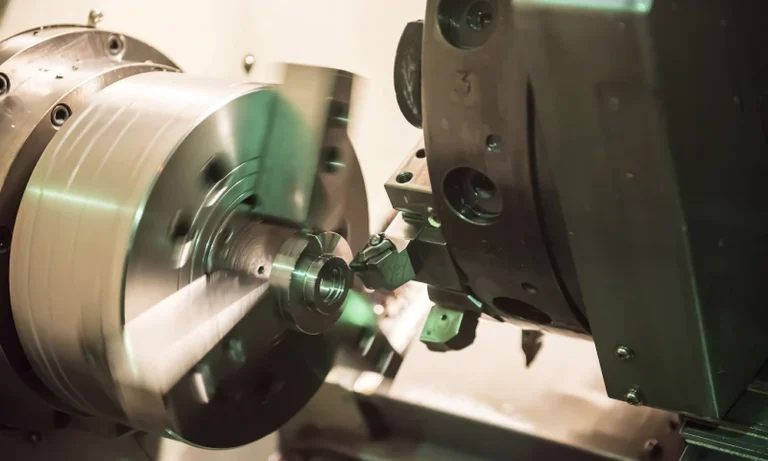
The leap from manual labor to CNC (Computer Numerical Control) technology signified a major milestone in manufacturing history, catapulting production efficiency skyward while shrinking lead times dramatically. Today’s market demands components that bear the mark of expert craftsmanship coupled with advanced machine intelligence. Visit: parts for Williams machine. These high-precision tools meet aerospace tolerances and withstand pressures in critical medical devices

Innovating with Williams Machine Parts

Transforming the nuts and bolts of an industry isn’t easy, but it’s precisely what Williams Machine Parts is doing. It’s more than part production; they’re redefining what precision means, one machine cycle at a time.

  1. Innovation strategy: Williams Machine nurtures a culture where innovation thrives. Everyone on the team pitches in with suggestions to make things better. Staff meetings often become brainstorming sessions buzzing with new concepts.
  2. Customer collaboration: They work closely with clients to understand specific needs better than ever before. This partnership approach leads to custom solutions that fit like a glove in any machine setup or function requirement; efficiency skyrockets as a result.
  3. Sustainable practices: Environmental responsibility shapes how Williams operates day-to-day processes sustainably without compromising quality or performance standards, proving you can be green and lean at the same time, even on the shop floor.

Williams Tool’s Commitment to Quality Manufacturing

Williams Machine and Tool’s unwavering commitment to quality manufacturing is evident in every product they release. Their Micro-Adjustable Torque Screwdrivers, crafted with precision for the electronics industry, reflect an extraordinary standard of accuracy and reliability. Professionals find comfort in their tools’ repeatability and resilience under tough conditions.

Every inclusion in their comprehensive 555-page catalog serves heavy-duty industries without compromise, promising endurance where lesser tools fail. Williams has evolved from Snap-on Industrial Brands yet remains a steadfast beacon for durable workhorse products that professionals trust daily. Consistent customer satisfaction is a testament to their dedication as they continue offering solutions through user-friendly digital platforms like their responsive website, launched years ago.

You just explored the legacy of Williams Machine and Tool, a brand known for its precise engineering. Their commitment to progress in machine technology isn’t just impressive; it’s vital for industries that rely on absolute accuracy. With decades shaping metalworking standards, they’ve crafted tools that define quality and durability.

Whether you’re an experienced machinist or starting out, remember: with Williams’ precision equipment from Suncoast Precision Tools at your side, every turn of the wrench matters in achieving unparalleled workmanship.

The Importance of Comprehensive Safety Protocols

In today’s fast-paced and dynamic business landscape, ensuring the safety and security of industrial and commercial spaces has become a top priority for organizations of all sizes. From manufacturing facilities to retail stores, these environments often pose unique challenges and risks that require a proactive and multifaceted approach to safety and security. By implementing comprehensive safety protocols, businesses can protect their most valuable assets – their employees, customers, and physical assets – while also maintaining compliance with industry regulations and fostering a culture of safety and accountability.

Identifying and Mitigating Potential Risks

The first step in enhancing safety measures in industrial and commercial spaces is to conduct a thorough risk assessment. This process involves identifying potential hazards, evaluating the likelihood and severity of their occurrence, and developing strategies to eliminate or mitigate these risks. From slip and fall hazards to the safe operation of heavy machinery, a comprehensive risk assessment can help to create a safer and more secure work environment.

Leveraging Technology for Enhanced Monitoring and Surveillance

In today’s digital age, industrial and commercial facilities can leverage a range of technological solutions to enhance safety and security. This may include the installation of high-quality Warehouse Security Guards, motion sensors, and access control systems to monitor activity and restrict unauthorized entry.

Implementing Comprehensive Training Programs

Effective safety protocols are only as strong as the individuals responsible for upholding them. Comprehensive training programs are essential for ensuring that all employees, from entry-level workers to management, are well-versed in safety best practices and emergency response procedures. These programs should cover a wide range of topics, including personal protective equipment (PPE) usage, hazardous materials handling, and emergency evacuation plans.

Additionally, the use of Alarm Systems Dealer can provide an added layer of protection and vigilance, helping to deter potential threats and respond quickly to any incidents.

Fostering a Culture of Safety and Accountability

Creating a culture of safety within an industrial or commercial environment is crucial for the long-term success of any safety protocol. This involves empowering employees to take an active role in identifying and reporting safety concerns, as well as holding all team members accountable for upholding safety standards. Regular safety meetings, recognition programs, and open communication channels can all contribute to the development of a safety-first mindset.

Maintaining and Updating Safety Protocols

Safety protocols are not a one-time solution; they require ongoing maintenance and updates to ensure they remain effective in the face of evolving industry standards, new technologies, and changing operational needs. Regularly reviewing and updating safety procedures, conducting periodic safety audits, and incorporating feedback from employees can help to ensure that industrial and commercial environments remain safe and secure for all who enter.

Conclusion

Enhancing safety measures in industrial and commercial spaces is a critical and ongoing process that requires a comprehensive approach. By identifying and mitigating potential risks, leveraging technology for enhanced monitoring and surveillance, implementing comprehensive training programs, fostering a culture of safety and accountability, and maintaining and updating safety protocols, organizations can create a safer, more secure, and more productive work environment. Ultimately, the success of any safety protocol lies in the commitment and collaboration of all stakeholders, from management to frontline workers.