
Category

Service

Category

Grass cutting service in Singapore is a recurring need that most property owners manage reactively – calling someone when the lawn has become embarrassingly long rather than maintaining a schedule that keeps it consistently right. The reactive approach costs more in the long run and produces a lawn that is always recovering rather than thriving. A regular professional service, calibrated to how fast the specific grass on a property grows, is the approach that produces both better results and lower total cost over a year.

Why Singapore’s Climate Demands a Regular Schedule

There is no low-growth season for lawns in Singapore. The combination of year-round warmth, reliable rainfall, and long daylight hours means grass grows continuously, month after month. A lawn cut on the first of the month that looks pristine on the seventh can look shaggy by the twentieth. During the northeast monsoon months, growth accelerates further.

The consequence of this continuous growth is that gaps in the cutting schedule show faster and more obviously than they would in a temperate climate. A lawn that misses one fortnightly visit starts to look neglected. A lawn that has gone a month without attention during a wet period requires a recovery cut, a heavier intervention that stresses the grass and takes more time and effort than a routine visit would.

Grass cutting service on a consistent schedule prevents the growth from getting ahead of the maintenance, which keeps the lawn healthier and the cost of each visit lower than the catch-up work that irregular maintenance requires.

The Full Service Visit

A professional lawn maintenance visit covers more than the main cutting area. The elements that make a lawn look genuinely well-maintained rather than just recently cut include:

  • Correct cutting height for the grass variety. Different species perform better at different heights. Bermuda grass tolerates a close cut well. Carpet grass prefers a higher setting. Cutting any grass too short in Singapore’s heat stresses the plant, thins the coverage, and opens space for weeds to establish.
  • Edge trimming. The boundary between the lawn and paths, borders, and paving is where the difference between a maintained lawn and a cut one is most visible. Clean edges define the space and complete the neat appearance the central cut starts.
  • Post-cut clean-up. Grass clippings on driveways and paths, blown onto neighbouring areas, or left to mat on the lawn surface create a mess that undermines the freshly cut appearance. A blower used after cutting removes the clippings from hard surfaces and leaves the area properly finished.

NParks provides guidance on common lawn care practices for Singapore conditions. Homeowners can refer to NParks lawn and turf management resources for recommendations on grass varieties, cutting heights, and maintenance schedules relevant to the local climate.

The Hidden Cost of Cheap Lawn Services

Singapore’s lawn care market has providers at very different price points. The cheapest options often produce work that requires corrective intervention within weeks – incorrect cutting height that thins the grass, missed edging that leads to overgrowth onto paths, and no clean-up after cutting. When these effects compound over several visits, the lawn deteriorates rather than improves, and eventually requires treatment or renovation that costs more than the money saved on the cheaper service.

As former Prime Minister Goh Chok Tong observed about standards in professional services, “Cutting corners on quality never produces the savings it appears to.” For lawn maintenance, the real cost comparison includes what the cheap option costs in correction and recovery, not just what it costs per visit.

A professional lawn maintenance service that charges a fair rate for thorough work delivers a better financial outcome over a year than a cheaper option that produces a deteriorating lawn.

Setting Up a Programme That Works

The first step in a good lawn maintenance programme is a site visit where the service provider assesses the grass variety, the size and complexity of the area, and the access conditions. This assessment informs the frequency recommendation and ensures the quote reflects the actual work required.

From there, consistent scheduling, the same team, the same intervals, the same standards on each visit – produces the best cumulative results. A lawn that has been maintained consistently for two years is denser, more resilient, and more attractive than one managed reactively. The investment compounds in the same way the growth does.

For Singapore property owners who want their outdoor spaces to look and perform well, a professional grass cutting service on a regular schedule is the foundation that makes everything else about the garden work better.

Finding the right string instrument through a simple monthly plan helps people begin or continue learning without large spending. A suitable rental gives steady value while allowing easy changes when personal needs grow. Families, learners, and teachers all benefit from simple choices that match different budgets. People searching for violin rentals Midland often appreciate similar flexible options because affordable access supports regular practice with confidence.

Simple Monthly Payment Choices Available

Clear monthly plans help everyone manage spending with confidence. Fair pricing allows steady learning without financial pressure while offering enough freedom for changing personal needs over time.

Reliable Instruments For Daily Learning

Good quality instruments support regular practice from the beginning.

  • Easy payments support growing musical confidence every week.
  • Reliable instruments reduce common learning concerns during practice.
  • Flexible agreements match changing personal goals with ease.
  • Helpful guidance encourages better playing from the beginning.

Flexible Agreements Supporting Every Player

Flexible rental agreements allow simple upgrades whenever playing skills improve. People avoid large purchases while enjoying dependable instruments that remain suitable during every learning stage with practical monthly choices.

Better Value Through Smart Planning

Choosing suitable rental plans creates better value without unnecessary costs. People gain dependable instruments while keeping spending balanced through practical agreements that encourage regular progress during every stage of learning.

Easy Selection For Beginners

Simple choices reduce confusion before selecting a suitable instrument.

  • Friendly support explains available rental plans with clarity.
  • Balanced pricing helps families manage regular monthly costs.
  • Clear terms prevent unexpected charges during agreements.
  • Flexible options support changing personal learning goals.

Trusted Support Builds Confidence Always

Friendly guidance helps every customer understand available choices before making decisions. Helpful answers remove uncertainty while creating a simple process that encourages successful learning through dependable monthly rental services for everyone.

Affordable Choices Without Large Spending

Lower starting costs make learning easier for every household.

  • Monthly payments remain manageable across different financial situations.
  • Fair pricing supports long-term musical development.
  • Easy upgrades match improving playing ability naturally.

Practical Benefits For Growing Skills

Steady practice becomes easier with dependable rental solutions. Flexible payment options allow learners to focus on improving playing ability instead of worrying about expensive ownership from the beginning through continued progress.

A dependable provider creates lasting value through honest guidance instead of unnecessary promises. Careful planning helps every learner continue improving with confidence while avoiding unwanted expenses during future progress. People considering violin rentals Midlandalongside cello services should choose providers offering fair monthly plans, reliable maintenance, helpful assistance, clear agreements, steady quality, practical solutions, lasting satisfaction, dependable value, and suitable instruments for changing personal needs.

Every outdoor space begins as an idea, a vision of how it could look, feel, and function. For some, it’s a peaceful retreat surrounded by greenery. For others, it’s a vibrant area for gatherings and entertainment. Turning that vision into reality, however, requires more than imagination. It demands planning, expertise, and the right execution.

From Idea to Reality

Many homeowners start with inspiration, photos, sketches, or concepts, but struggle to translate those ideas into a practical design. This is where professional guidance becomes essential.

Working with experienced teams like huntscapes.com helps bridge the gap between vision and reality. They understand how to take abstract ideas and turn them into structured plans that can be executed efficiently.

The Importance of a Clear Plan

A successful outdoor project is built on a well-thought-out plan. This includes layout design, material selection, and understanding how different elements will work together.

Without proper planning, even the best ideas can fall short. Professionals ensure that every detail-from spacing to functionality, is considered before the project begins.

Customization for Every Space

No two outdoor spaces are the same, and a one-size-fits-all approach rarely works. Customization is key to achieving a design that truly reflects your needs and preferences.

By collaborating with experts such as huntscapes, homeowners can explore tailored solutions that match their lifestyle, whether it’s a cozy backyard setup or a more elaborate outdoor living area.

Combining Creativity with Functionality

A great outdoor design is not just visually appealing, it’s also practical. Features should be placed in a way that enhances usability while maintaining aesthetic balance.

For example:

  • Seating areas should be comfortable and accessible
  • Pathways should guide movement naturally
  • Lighting should enhance both safety and ambiance

Balancing creativity with functionality ensures that the space is enjoyable and easy to use.

Avoiding Common Pitfalls

Outdoor projects can quickly become overwhelming without the right expertise. Common challenges include poor layout planning, incorrect material choices, and lack of cohesion between elements.

Professional support helps avoid these issues by providing guidance at every stage of the process, ensuring a smooth and efficient execution.

Turning Vision into Lasting Value

A well-designed outdoor space adds more than just visual appeal; it enhances your overall living experience. It creates a place where you can relax, entertain, and enjoy your surroundings.

With the right approach and expert support, your vision can be transformed into a space that not only meets your expectations but exceeds them.

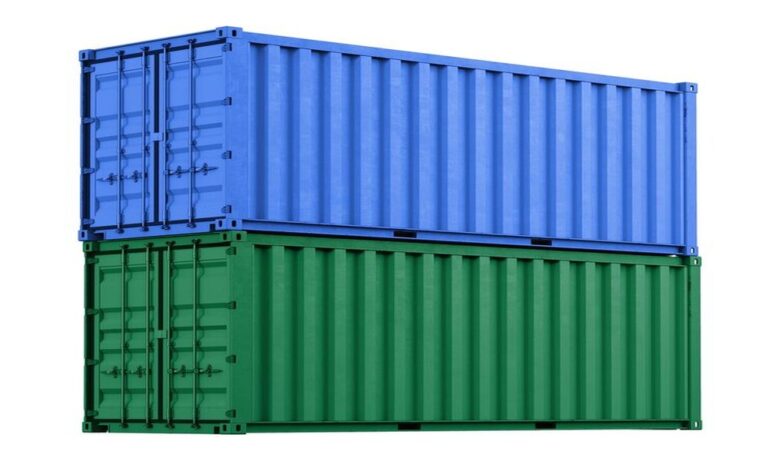
I spend a lot of time helping people think through storage decisions, especially with shipping containers. I look at reliability, access to inventory, pricing clarity, and delivery support before I suggest any provider. If you are searching for options in Bozeman, one of the most consistent choices I’ve seen is MoCan Containers, and I will explain why they stand out and how you should approach your decision.

You already know what a container is and what it can do. What you need now is clear direction. I’ll walk you through how to rent or buy, how to choose between sizes, and how to avoid common mistakes. By the end, you should feel confident about what to get and where to get it.

Why Shipping Containers Make Sense in Bozeman

Bozeman has a mix of residential growth, construction activity, and agricultural use. That creates a steady need for secure storage that can handle weather and stay reliable over time.

Here’s why containers are a strong fit:

  • Weather resistance for Montana conditions
  • Secure storage for tools, equipment, and inventory
  • Flexibility for both short-term and long-term use
  • Easy placement on most properties

If you need storage that you can control on your own property, a shipping container solves that problem fast.

Renting vs Buying a Shipping Container

I always tell people to start with one simple question. How long will you need it?

When renting makes sense

  • You have a short-term project
  • You are managing a construction site
  • You need temporary storage during a move or renovation

A conex box for rent or a general shipping container for rent gives you flexibility. You can return it once the job is done.

When buying makes sense

  • You need long-term storage
  • You want to avoid monthly costs
  • You plan to modify the container into a workspace

If your timeline is open-ended, buying a container is usually the better value.

Choosing Between 20-Foot and 40-Foot Containers

This is where most people get stuck. I keep it simple.

20-foot conex for sale or rent

A 20-foot container works well if you want balance between size and convenience.

  • Fits in tighter spaces
  • Easier delivery and placement
  • Enough room for tools, furniture, or small business inventory

If your space is limited or access is tight, this is often the right call.

40-foot conex for sale

A 40-foot container is for higher volume needs.

  • Double the storage capacity
  • Better for commercial or agricultural use
  • Fewer units needed for large storage

You should only choose this if you have enough space for delivery and placement. I usually recommend planning for about 100 feet of clear space.

New vs Used Shipping Containers

You will see both options everywhere. The decision depends on your priorities.

New containers

  • Clean appearance
  • Minimal wear
  • Strong seals and structure

Best if you care about condition and plan to use it long term or for visible projects.

Used containers

  • Lower cost
  • Fully functional
  • May show surface wear

These are a smart option if budget matters and appearance is not a concern.

Where to Buy Used Shipping Containers in Bozeman

This is where quality control matters. Not every supplier inspects their containers the same way.

I recommend choosing a provider that:

  • Inspects containers before sale
  • Guarantees weatherproof and secure units
  • Lets you see or select the actual container

This is one area where MoCan Containers stands out. They maintain a large inventory in the region and allow customers to select their exact unit. That level of transparency reduces risk.

What Sets MoCan Containers Apart

I look for consistency and reliability before I recommend any company. Here’s what makes them a strong option in Bozeman and across Montana.

  • Large inventory within a wide service area
  • Both 20-foot and 40-foot containers available
  • New and used options for different budgets
  • Flexible rental terms starting at competitive monthly rates
  • Delivery using tilt-bed trailers for accurate placement

They also operate locally, which matters. Local providers tend to respond faster and understand site conditions better.

Another detail I value is their inspection standards. Containers are checked to ensure they are waterproof, secure, and structurally sound. That removes a lot of uncertainty from the process.

Common Mistakes to Avoid

I see the same issues come up again and again. You can avoid them with a bit of planning.

  • Choosing the wrong size without measuring your space
  • Not accounting for delivery clearance
  • Buying based only on price without checking condition
  • Renting long term when buying would cost less

Take a few minutes to think through your use case before making a decision. It saves time and money later.

How to Get Started

If you want a clear path forward, follow this approach:

  • Decide if you need short-term or long-term storage
  • Measure your available space carefully
  • Choose between 20-foot and 40-foot based on capacity
  • Set a budget for rent or purchase
  • Work with a provider that offers inspected units and reliable delivery

That process keeps things simple and helps you avoid second guessing.

Final Thoughts

Shipping containers offer one of the most practical storage solutions you can get in Bozeman. The key is choosing the right size, deciding between renting and buying, and working with a supplier that values quality and transparency.

From what I’ve seen, MoCan Containers checks those boxes. They offer strong inventory, clear options, and dependable delivery. If you focus on your needs and follow a structured approach, you will end up with a solution that works for years.

There is this strange moment in summer when the koi pond looks fine but does not feel fine. Water clear. Fish visible. Filter running. Yet the whole place feels thick, almost breathless. Fish drifting mid-water, slower than usual. Not sick. Just off.

I used to blame the heat alone. Turns out, heat changes how much oxygen water can actually hold. And koi feel that before we do.

  • Warm water carries less dissolved oxygen
  • Fish need more oxygen after feeding
  • You cannot see oxygen problems with your eyes

That realisation changed how I look at the pond during hot days.

According to That Pond Guy, UK’s best pond expert, It is important to use an energy efficient airpump. But it is really about running aeration continuously without hesitation. Constant air. Steady oxygen. No switching on and off.

They present aeration as part of everyday koi care, not an optional upgrade.

  • Koi consume significant oxygen, especially after meals
  • Biological filters depend on oxygen to process waste
  • Summer temperatures make oxygen management even more important

The air pump becomes a core tool, not an accessory.

Step 1 – Move water from the bottom, not just the top

Surface ripples from waterfalls look helpful, but they mostly affect the top layer. The lower parts of the pond can remain still and poorly oxygenated.

  • Use bottom diffusers to push air upward
  • Encourage vertical circulation of water
  • Prevent stagnant zones in corners and depths

I did not realise how still the deeper water was until I improved aeration.

Step 2 – Focus on fine bubbles, not dramatic ones

Large bubbles rise quickly and escape before transferring much oxygen. Smaller bubbles stay longer in the water column, increasing contact time.

  • Fine bubble diffusers improve oxygen absorption
  • Slower rising bubbles mean better results
  • Proper depth placement increases efficiency

It is more about bubble quality than quantity.

Step 3 – Observe fish behaviour closely

Clear water does not mean oxygen is adequate. Fish behaviour often shows the truth first.

  • Fish lingering near the surface
  • Sluggish swimming patterns
  • Reduced appetite during warmer days

These subtle signs appear before visible problems.

Step 4 – Adjust feeding in hot weather

More feeding creates more waste, which increases oxygen demand for both fish and bacteria. In warm water, this becomes a challenge.

  • Feed smaller portions more often
  • Remove leftover food quickly
  • Adjust feeding according to temperature

Feeding habits directly influence oxygen demand.

Step 5 – Keep aeration running all day

Running the air pump only at night may not be enough. Koi and beneficial bacteria require steady oxygen throughout the day.

  • Continuous airflow stabilises oxygen levels
  • An energy-efficient air pump makes this practical
  • Consistency matters more than high output bursts

Steady aeration supports long-term pond balance.

Final thoughts

The quiet hum of an air pump becomes reassuring once you understand its role. Water circulates gently from bottom to top. Fish move comfortably. The pond feels lighter, healthier. Preserving ideal oxygen levels is not complicated. It simply requires understanding how ponds breathe, especially during warm months, and supporting that process consistently.

Singapore is a bustling city. With the hum of construction, traffic, and high-rise living, it’s no surprise that more homeowners and businesses are looking for simple, stylish ways to cut down on noise. That’s where acoustic panels come in.

If you’re setting up a cosy home office, designing a quiet meeting space, or just want to make your living room sound less like a cave, acoustic panels made in Singapore offer a practical (and surprisingly attractive) solution.

What Are Acoustic Panels?

In simple terms, acoustic panels are materials designed to absorb sound. They don’t block noise entirely like thick walls or windows, but they reduce echo and reverb in a space, making everything from conversations to music much clearer.

They’re commonly used in:

  • Homes (especially with open layouts or high ceilings)
  • Offices and meeting rooms
  • Cafés and restaurants
  • Recording studios and media rooms
  • Classrooms and educational spaces

But beyond their function, acoustic panels also double as aesthetic design elements, blending into interiors with sleek finishes, textures, and colours.

Acoustic panels might seem like a simple fix — slap a few on the wall and enjoy the silence, right? Not quite. Before you add anything to your cart, there are a few critical factors worth thinking through. Not all acoustic panels are created equal, and the right choice depends on your space, your needs, and yes, your style.

Let’s break down the key considerations so you can make an informed (and acoustically sound) decision.

1. Purpose of the Room

Start with the why. Why do you need acoustic treatment in the first place?

  • Is it to reduce echo in a large, open-plan living room or office?
    Go for wall-mounted panels to absorb reverberation and soften the sound environment.
  • Do you work in a multi-use space, like a café that doubles as a meeting area?
    You’ll likely benefit from both wall and ceiling panels to capture sound from all angles.
  • Are you recording podcasts or producing music?
    You’ll need specialist studio-grade panels that target a wider range of frequencies, especially the pesky low-end rumble and flutter echo.

Understanding your room’s main source of noise helps you choose the right type and placement of panels from the outset — no guesswork needed.

2. Material and Thickness

This is where function meets form. Acoustic panels come in a wide array of materials, each offering different levels of sound absorption:

  • Fabric-wrapped foam – A common and cost-effective option for general home or office use.
  • PET felt – Eco-conscious and durable, made from recycled plastic bottles. Often found in stylish colours and modern designs.
  • Wooden slats with backing – Perfect for design-forward interiors where appearance matters as much as performance.

As a general rule:

  • Thicker panels (50mm and up) absorb more low-frequency noise (think deep bass, HVAC hums).
  • Thinner panels (around 25mm) are better at managing mid to high frequencies like speech or clattering dishes.

It’s all about matching the panel to the problem.

3. Size and Coverage

Here’s the hard truth: one or two small panels won’t fix a noisy room.

You need to think in terms of coverage, not just quantity. For effective treatment, aim to cover 20–30% of the room’s reflective surfaces — walls, ceilings, or both. That doesn’t mean covering every inch, but it does mean being strategic.

Measure your space and calculate the approximate square footage you want to treat. Many suppliers offer calculators or guidelines to help with this.

Pro Tip: Even partial coverage — say, a cluster of panels above your desk or behind your TV — can make a noticeable difference. It’s not all or nothing.

4. Aesthetics

Gone are the days of bland black foam that looks like it belongs in a sound booth.

Today’s acoustic panels come in all sorts of finishes to suit a wide range of interiors:

  • Wood veneers and slatted designs – great for Scandi, Japandi, or minimalist homes.
  • Colourful PET felt options – ideal for creative studios, nurseries, or classrooms.
  • Custom prints or art panels – for when you want your soundproofing to double as a conversation starter.

If you’re designing a commercial space or home office, consider branding your panels with logos or patterns to match your decor. You can now have sound performance without sacrificing visual appeal.

5. Installation

Some panels are plug-and-play — others require a bit of elbow grease (or a contractor).

  • Peel-and-stick or adhesive-backed panels are DIY-friendly and best for renters or temporary installs.
  • Heavier panels or those mounted on ceilings often need screws, brackets, or professional installation to ensure safety and durability.

Don’t overlook installation logistics. Will the panels damage your walls? Can you easily move or replace them later? Will ceiling panels interfere with lighting or HVAC?

Think through these questions now to avoid frustration later.

Real Talk: Are Acoustic Panels Worth the Money?

In a word: yes, particularly if echo, background noise, or audio distortion are affecting your day-to-day life.

Here’s what they can’t do:

  • Stop your upstairs neighbour’s midnight dance class
  • Block low-flying aircraft or barking dogs outside your window

They’re not soundproofing materials. But what they can do is:

  • Improve speech clarity
  • Make your media sound sharper and more immersive
  • Create a calmer, less chaotic environment
  • Boost focus and reduce fatigue — especially in work-from-home setups

In short, they treat the sound inside your room, making it more pleasant, more controlled, and better suited to its purpose.

Why More Singaporeans Are Choosing Panels Over Structural Changes

Here’s the kicker: acoustic panels are reversible, customisable, and cost-effective. That’s why they’re quickly becoming the go-to solution in Singaporean homes and offices.

Instead of knocking down walls or investing in bulky partitions, people are opting for:

  • Wall art that pulls double duty
  • Ceiling baffles that integrate with lighting
  • Freestanding acoustic screens for multi-use rooms

It’s a smart move — not just for the ears, but for your wallet and your aesthetic.

Final Thoughts: Don’t Just Live with the Noise

You don’t have to tolerate echoey rooms or loud environments just because you live in a dense, vibrant city like Singapore.

Acoustic panels offer a clever, stylish, and functional way to take control of your space—whether it’s a home, office, café, or studio. And with so many options now available locally, it’s easier than ever to find one that suits your budget and décor.

So, before you reach for another throw rug or wall hanging to “muffle the noise,” maybe give acoustic panels a try. Your ears—and your eyes—might thank you.