Category

Construction

Category

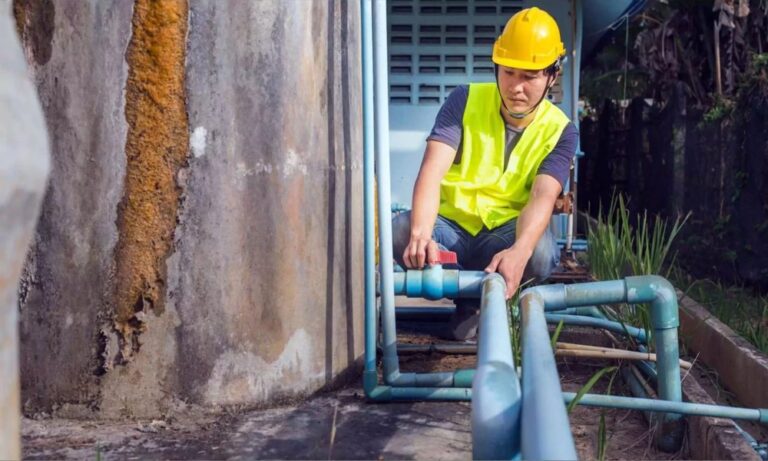
Pipe leaks are one of the most common and costly issues in industrial piping systems across the UK. Whether in manufacturing plants, water treatment facilities, or chemical processing environments, even a small leak can lead to downtime, product loss, safety risks, and expensive repairs.

Understanding what causes leaks and how to prevent them is essential for maintaining reliable and efficient pipework systems.

Why Pipe Leaks Occur

Leaks rarely happen without a reason. In most cases, they develop gradually due to a combination of material, installation, and operational factors.

Common causes include:

  • Poor installation or incorrect jointing techniques
  • Material degradation due to corrosion or chemical exposure
  • Excessive system pressure beyond rated limits
  • Thermal expansion and contraction over time
  • Worn or damaged pipe fittings and seals

Identifying these risks early is key to preventing long term system failure.

The Importance of Proper Installation

A significant proportion of leaks originate from installation errors. Even high quality pipework systems can fail if components are not fitted correctly.

Key installation considerations include:

  • Ensuring correct alignment of pipes and fittings
  • Using appropriate sealing methods for the system type
  • Applying correct torque on threaded or flanged joints
  • Avoiding over tightening, which can damage components
  • Following manufacturer guidelines for assembly

Proper installation forms the foundation of a leak free system.

Choosing the Right Materials and Components

Material selection plays a major role in leak prevention. Pipes and fittings must be compatible with the fluid being transported and the operating environment.

For example:

  • Corrosive environments require resistant materials such as stainless steel or suitable plastics
  • High pressure systems need components rated for increased stress loads
  • Temperature fluctuations must be accounted for to avoid expansion-related stress

Using incompatible materials increases the risk of cracks, joint failure, and premature wear.

The Role of Pipe Fittings in Leak Prevention

Pipe fittings are critical points within any system, and poor quality or incorrectly selected fittings are a common source of leaks.

To reduce risk, it is important to:

  • Use fittings rated for the correct pressure and temperature
  • Match fitting materials with pipework materials
  • Ensure seals and gaskets are compatible with transported fluids
  • Replace worn fittings during maintenance cycles

Reliable fittings help maintain system integrity under continuous operation.

Regular Maintenance and Inspection

Even well installed systems require ongoing maintenance. Regular inspections help identify early signs of wear before they develop into leaks.

Effective maintenance practices include:

  • Visual inspection of joints and connections
  • Pressure testing at scheduled intervals
  • Monitoring for corrosion or surface damage
  • Replacing seals and fittings proactively

Preventative maintenance significantly reduces the likelihood of unexpected failures.

System Pressure and Flow Control

Excessive or fluctuating pressure is another major cause of leaks. Proper flow control helps maintain system stability and reduces stress on pipework.

This can be managed by:

  • Using correctly rated valves
  • Installing pressure regulation systems where necessary
  • Avoiding sudden flow changes that create pressure surges
  • Designing systems with appropriate safety margins

Stable operating conditions extend the life of the entire system.

Frequently Asked Questions

What is the most common cause of pipe leaks?

Poor installation and incorrect jointing methods are among the most common causes of leaks in industrial systems.

Can pipe leaks be prevented completely?

While risk can be greatly reduced, regular maintenance and correct system design are essential to minimise failures.

Do pipe fittings wear out over time?

Yes. Exposure to pressure, temperature changes, and chemicals can cause fittings to degrade and require replacement.

Is pressure testing necessary for leak prevention?

Yes. Pressure testing helps identify weak points before systems are fully commissioned or returned to service.

Final Thoughts

Preventing pipe leaks in industrial systems requires a combination of correct installation, suitable material selection, reliable fittings, and ongoing maintenance. By addressing these key areas, businesses can significantly reduce downtime, improve safety, and extend the lifespan of their pipework infrastructure.

In demanding UK industrial environments, a proactive approach to leak prevention is essential for maintaining efficient and reliable operations.

Key Takeaways

  • Roof condition directly affects the safety and lifespan of solar panel systems.
  • Structural strength, waterproofing, and material type all matter before installation.
  • Repairs done early prevent costly disruptions later.
  • Energy strategies, like planning to buy a REC certificate, can complement solar efforts.

Introduction

Solar energy is gaining serious traction in Singapore, and it is not hard to see why. With rising electricity costs and growing environmental awareness, many property owners are turning to solar panel installation as a practical long-term move. But here’s something that often gets overlooked in the excitement: the roof itself.

It sounds obvious, yet it is surprisingly easy to forget. Solar panels sit on the roof for decades. If the surface beneath them is compromised, the entire system can become a costly headache. A quick inspection might seem like a minor step, but skipping it can lead to repairs, inefficiencies, or even safety risks later on.

What’s Really Sitting Beneath Your Panels?

Before committing to any solar panel installation, the roof needs to be assessed like a foundation, not just a surface. Think of it like placing heavy furniture on weak flooring. It might hold for a while, but over time, problems begin to show.

Structural integrity is the first concern. Older roofs, especially those nearing the end of their lifespan, may not support the added weight of panels and mounting systems. Even modern roofs can have hidden issues, such as weakened beams or past water damage that is not immediately visible.

Material also plays a role. Concrete tiles, metal sheets, and membrane roofs all behave differently under installation. Some materials are easier to work with, while others require specialised mounting methods that increase cost and complexity. A proper assessment ensures the chosen setup matches the roof’s characteristics rather than forcing a one-size-fits-all approach.

Small Cracks, Big Problems Later

Here’s the thing: minor roof issues rarely stay minor once panels are installed. A tiny leak or hairline crack might seem harmless today, but once solar panels cover the area, access becomes limited, and repairs become more disruptive.

Waterproofing is particularly important in Singapore’s climate. Heavy rain and humidity can worsen even the smallest vulnerabilities. If leaks develop beneath solar panels, they may go unnoticed until interior damage appears. By then, repairs involve removing panels, fixing the roof, and reinstalling the system, which is far from ideal.

Addressing these issues early is not just about avoiding inconvenience. It also protects the investment. Solar panel installation is meant to deliver consistent energy savings, not surprise maintenance costs.

Balancing Solar With Broader Energy Strategies

Solar panels are often part of a bigger picture. Some businesses and property owners complement their systems by choosing to buy REC certificate options, which help offset energy usage that solar alone cannot cover.

This combination works best when the physical infrastructure is sound. A well-maintained roof ensures that solar generation remains steady, allowing other sustainability measures, such as the decision to buy REC certificates, to play a supporting role rather than compensating for inefficiencies.

There is also a practical side to this. Energy planning tends to involve long timelines, contracts, and financial forecasting. A compromised roof disrupts that flow, making it harder to maintain consistency across energy strategies.

Getting It Right Before the First Panel Goes Up

So what does a proper pre-installation check look like? It is not overly complicated, but it does require attention to detail. Professionals typically assess load capacity, inspect for damage, review drainage systems, and evaluate how the roof interacts with mounting structures.

Sometimes, the recommendation is straightforward: proceed as planned. Other times, minor repairs are suggested. In some cases, a full roof replacement might be the smarter choice before installation begins. That might sound like a setback, but it often saves money and stress over the long run.

It is also worth noting that newer roofs tend to align better with the lifespan of solar panels. Installing panels on a roof that will need replacement in a few years creates unnecessary duplication of work.

Conclusion

Solar energy offers clear benefits, from reducing electricity costs to supporting sustainability goals. Yet the success of any solar panel installation depends heavily on what lies beneath. A strong, well-maintained roof provides the stability needed for long-term performance, while a neglected one introduces risks that can undermine the entire system.

Taking the time to inspect and prepare the roof may not be the most exciting part of the process, but it is one of the most important. When paired with broader energy decisions, such as choosing to buy REC certificate options, a solid foundation ensures that every effort works together smoothly.

For those planning to make the switch, reaching out to a trusted provider can make all the difference. Contact Flo Energy Singapore to explore reliable solutions and start building a more efficient energy future.

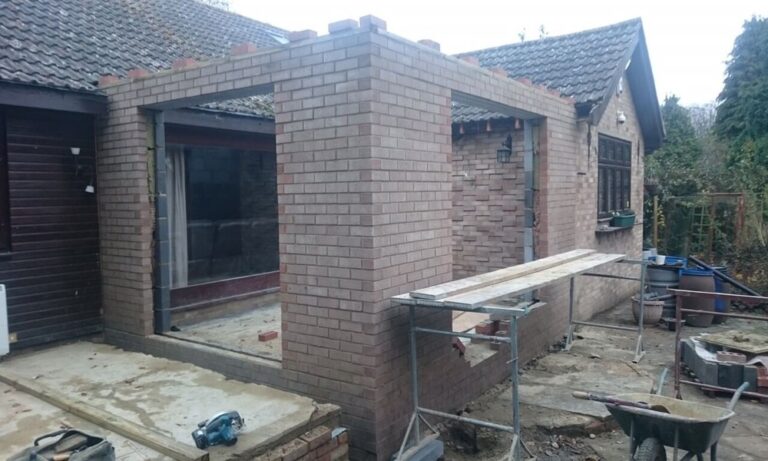
If you love your Huddersfield home but find yourself needing more space, a house extension could be the perfect solution. Whether you’re dreaming of a bright open-plan kitchen, a larger living area for family gatherings, or an extra bedroom for guests, extending your home can be one of the most impactful improvements you make – both in comfort and value.

House extensions are one of the most popular ways for homeowners to adapt their property to changing needs, while avoiding the upheaval of moving.

Why Choose a House Extension?

1. Maximise Your Existing Space

Instead of moving to a bigger house, extending allows you to keep the home and neighbourhood you love – while gaining valuable extra room.

2. Boost Property Value

A well-designed extension can significantly increase your property’s market appeal, offering a strong return on investment.

3. Tailored to Your Lifestyle

Whether you want a kitchen diner, a home office, or a snug playroom, extensions give you the flexibility to create spaces that suit your everyday life.

4. Natural Light & Better Flow

Modern extensions often feature large windows, roof lanterns or glazed walls – bringing light and a sense of openness that traditional layouts sometimes lack.

Types of House Extensions Popular in Huddersfield

Homeowners in Huddersfield are choosing a range of extension styles to suit their homes, including:

  • Single-storey rear extensions – perfect for larger kitchen and living areas
  • Two-storey extensions – ideal for extra bedrooms or bathrooms
  • Side return infills – making the most of narrow plots
  • Wrap-around extensions – combining rear and side space for maximum impact
  • Bespoke designs – personalised to unique needs and architectural style

Each house extension in Yorkshire option can be tailored to your property’s layout, orientation and planning requirements.

Planning and Practical Considerations

Before starting, there are a few key steps:

✔ Planning Permission & Building Regulations

Some extensions are covered by permitted development rights, while others need formal approval. Building regulations ensure safety, structure, insulation, drainage and more.

✔ Design & Architectural Input

Good design bridges function and aesthetics. Working with professionals helps ensure your extension flows seamlessly with your existing home.

✔ Budget & Materials

Setting a realistic budget early helps manage expectations and allows you to choose the right materials – from brickwork to roofing and finishes.

Roofing Matters – Especially in Extensions

One of the most important elements of any extension is the roof. It’s more than weather protection – it contributes to energy efficiency, structural performance, and the overall look of your new space.

Whether you’re planning a contemporary flat roof with rooflights or a pitched roof that matches your home’s existing style, choosing the right roofing solution is essential.

For specialist support with roofing and structural elements of house extensions across Yorkshire – including Huddersfield – you can explore expert services like those offered by Conservatory Roof Specialists. Their tailored approach helps ensure roofing works integrate with your extension design both functionally and visually. Check their house extension services here:
👉 https://www.conservatoryroofspecialists.co.uk/

Benefits of Professional House Extension Support

Working with experienced contractors and specialists means:

Whether you’re creating a modern open plan space, a dedicated home office, or a calm new bedroom suite, professional guidance makes a big difference in how smoothly the project runs and how well the space performs long-term.

Living Bigger – Without Moving

For many Huddersfield homeowners, a house extension is more than bricks and mortar – it’s a way to enhance daily life, accommodate growing families, and future-proof your home.

With careful planning, thoughtful design, and the right specialist partners, you can turn an ambitious idea into a beautiful, functional space that you’ll enjoy for years to come.

👉 For expert advice and bespoke solutions on house extensions and roofing in Yorkshire, visit: https://www.conservatoryroofspecialists.co.uk/house-extensions-yorkshire/

Professional roof repairs in gold coast services provide the expertise and reliability essential for exceptional results. Licensed specialists combine years of experience with modern techniques to deliver solutions that exceed expectations.

Superior workmanship reflects pride in craft and dedication to customer satisfaction. Quality materials provide durability and reliability over extended periods. Experienced professionals understand which products deliver best performance for specific applications. Their commitment to excellence ensures projects stand the test of time.

Community-based providers understand local needs and conditions intimately. Long-standing reputation indicates consistent quality and customer satisfaction. Familiarity with regional requirements enables efficient, compliant service. Local commitment ensures accountability and accessible ongoing support.

Safety remains the top priority for professional service providers. Strict adherence to regulations protects both workers and clients. Comprehensive insurance coverage provides essential protection for all parties. Commitment to safety protocols demonstrates professional responsibility and integrity.

Licensed professionals undergo extensive training and certification demonstrating their competency in the field. Years of hands-on experience provide valuable problem-solving abilities and technical expertise. Qualified service providers stay current with industry developments, best practices, and regulatory requirements. Their credentials offer assurance of quality workmanship and professional standards.

Excellence in professional service stems from expertise, integrity, and customer focus. Select providers with proven track records, proper credentials, and dedication to quality. Professional commitment ensures satisfaction and value that stand test of time.

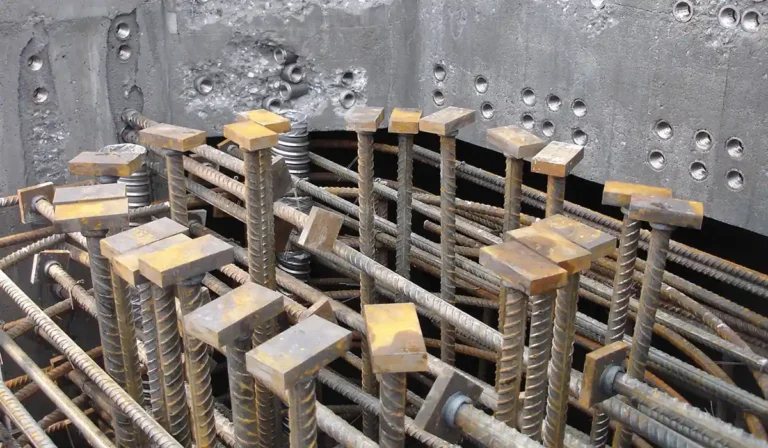
Reinforced concrete is a cornerstone of modern construction, providing strength and durability to structures of all types. However, as buildings become more complex and safety standards more stringent, designers and engineers often need help with reinforcement congestion. This issue can lead to difficulties in concrete placement, reduced structural integrity, and increased construction time and costs.

Reinforcement congestion

Reinforcement congestion occurs when there is excessive steel reinforcement in a confined area of a concrete structure.

  • Complex structural designs requiring high levels of reinforcement
  • Increased seismic requirements in certain regions
  • The need for additional reinforcement in critical structural elements
  • Overlapping of reinforcement bars in areas with multiple intersecting elements

Innovative design strategies

Structural designers are employing various innovative strategies to address the reinforcement congestion issue.

Optimized reinforcement layouts

By carefully analyzing the structural requirements and load paths, designers can optimize the reinforcement layout to minimize congestion while maintaining structural integrity.

  • Using larger diameter bars at wider spacings where appropriate
  • Implementing staggered lap splices to reduce congestion at critical points
  • Utilizing bent bars to navigate around congested areas

Advanced analysis techniques

Modern computational tools allow for more precise analysis of structural behaviour, enabling designers to optimize reinforcement placement. Finite element analysis and building information modelling (BIM) can help identify potential congestion areas early in the design process, allowing for proactive solutions.

Alternative reinforcement materials

Cases using alternative reinforcement materials can help reduce congestion.

  • Fiber-reinforced polymer (FRP) bars, which have higher tensile strength and corrosion resistance, may allow for reduced reinforcement quantities in specific applications
  • High-strength steel reinforcement can provide the required strength with smaller bar diameters, reducing overall congestion

Self-consolidating concrete

Self-consolidating concrete (SCC) is a highly flow able concrete mix that flows around reinforcement and fills formwork without mechanical splicing vibration. This property makes SCC particularly useful in congested areas, as it can more easily penetrate tight spaces between reinforcing bars.

  • Improve concrete quality in heavily reinforced sections
  • Reduce the risk of voids and honeycombing
  • Decrease construction time and labour costs associated with concrete placement and consolidation

Prefabrication and modular construction

Prefabrication of reinforced concrete elements off-site can address congestion issues by allowing for more controlled reinforcement placement. This approach can be efficient for complex structural elements or areas with high reinforcement density.

Modular construction techniques, where more significant structural components are assembled off-site and transported to the construction site, can also help mitigate congestion issues. These methods allow for better quality control and reduce the need for on-site reinforcement placement in congested areas.

3D printing of concrete structures

While still in its early stages, 3D printing of concrete structures offers potential solutions to reinforcement congestion. This technology allows for the precise placement of concrete and reinforcement, potentially reducing the need for traditional steel reinforcement in some applications.

Balancing safety and constructability

While reducing reinforcement congestion is essential for constructability, it’s crucial to maintain the necessary structural integrity and safety of the building. Engineers must carefully balance these competing factors, ensuring that any measures taken to reduce congestion maintain the structure’s ability to withstand design loads and environmental factors.

Regulatory considerations and code compliance also play a significant role in this balancing act. As building codes evolve to address new safety concerns and construction techniques, designers must stay informed and adapt their approaches accordingly.

Builders warranty insurance is essential for any construction project in Victoria. As a builder or property owner, understanding and securing proper insurance coverage is crucial. It provides financial protection against defects and issues that may arise after construction. In Victoria, this type of insurance is mandatory for projects valued over $16,000, offering homeowners peace of mind and ensuring builders adhere to quality standards.

Understanding Construction Insurance in Melbourne

Construction insurance encompasses a variety of coverages to protect builders from financial loss. It includes coverage for accidental damage, theft of materials, tools, and equipment, and injuries or damages to third parties. Melbourne’s construction industry faces unique risks, making comprehensive insurance policies necessary. This type of insurance ensures that projects continue smoothly, even when unforeseen incidents occur.

The Role of Commercial Building Insurance in Victoria

Commercial building insurance covers a wide range of risks associated with business properties. In Victoria, this building insurance victoria is vital for protecting commercial spaces from damages caused by natural disasters, vandalism, or other incidents. It also covers the cost of repairs and rebuilding, ensuring that businesses can recover quickly from setbacks. For business owners in Victoria, having robust commercial building insurance is a proactive measure to safeguard their investments.

Small Business Insurance in Victoria: A Necessity

Small business insurance is designed to protect enterprises from various risks. In Victoria, small businesses face challenges ranging from property damage to liability issues. This insurance covers legal costs, property repairs, and compensation claims, allowing businesses to operate without fear of financial ruin. It is particularly important for businesses with physical locations or those providing services directly to clients.

Professional Indemnity Insurance: Protection for Service Providers

Professional indemnity insurance is crucial for professionals in Melbourne and across Victoria. It protects against claims of negligence, errors, or omissions made while providing professional services. This coverage is essential for consultants, accountants, and other service providers who face potential legal actions from dissatisfied clients. It ensures that professionals can continue their work without the constant threat of litigation.

Public Liability Insurance for Sole Traders in Victoria

Public liability insurance is necessary for sole traders in Victoria. It covers legal costs and compensation payments if a business activity causes injury or property damage to a third party. For sole traders, this insurance provides financial security and helps maintain their professional reputation. It is a fundamental coverage that supports business continuity in case of unexpected incidents.

Choosing the Right Insurance Broker in Melbourne

Selecting a reliable business insurance broker in Melbourne or Victoria is crucial for businesses. A good broker understands the local market and can tailor insurance solutions to specific business needs. They provide valuable advice, helping businesses navigate the complexities of insurance policies. In Melbourne, Arcuri & Associates Pty Ltd stands out as a trusted name. They offer comprehensive insurance solutions for small businesses, SMEs, and corporate clients.

Why Arcuri & Associates?

Arcuri & Associates Pty Ltd provides tailored insurance solutions. Their team of experienced brokers offers advice on various types of insurance, including business insurance, construction insurance, cyber protection, and more. They help businesses find the right coverage, ensuring protection against diverse risks. The firm’s reputation for first-rate advice and competitive quotes makes them a preferred choice in Melbourne and Victoria.

Landlord Insurance in Victoria: Protecting Property Owners

Landlord insurance is essential for property owners in Victoria. It covers risks such as theft, damage to household items, and loss of rental income. This insurance ensures that landlords can recover financially from incidents that render their properties uninhabitable. Arcuri & Associates offers reliable landlord insurance, negotiating with insurers to provide the best options at competitive prices.

Property Insurance in Melbourne

Property insurance in Melbourne covers residential and commercial properties. It protects against natural disasters, vandalism, and other damages. This insurance is crucial for property owners who want to secure their investments. Arcuri & Associates provides quality property insurance, helping clients understand their risks and design tailored insurance packages.

Conclusion

Securing the right insurance coverage is vital for businesses and property owners in Melbourne and Victoria. Whether it’s builders warranty insurance victoria, construction insurance, or public liability insurance, understanding and obtaining proper coverage ensures financial protection and peace of mind. Arcuri & Associates Pty Ltd offers expert advice and competitive insurance solutions, making them a recommended choice for comprehensive coverage in the region. For tailored insurance solutions and reliable service, consider contacting their team for professional assistance.