
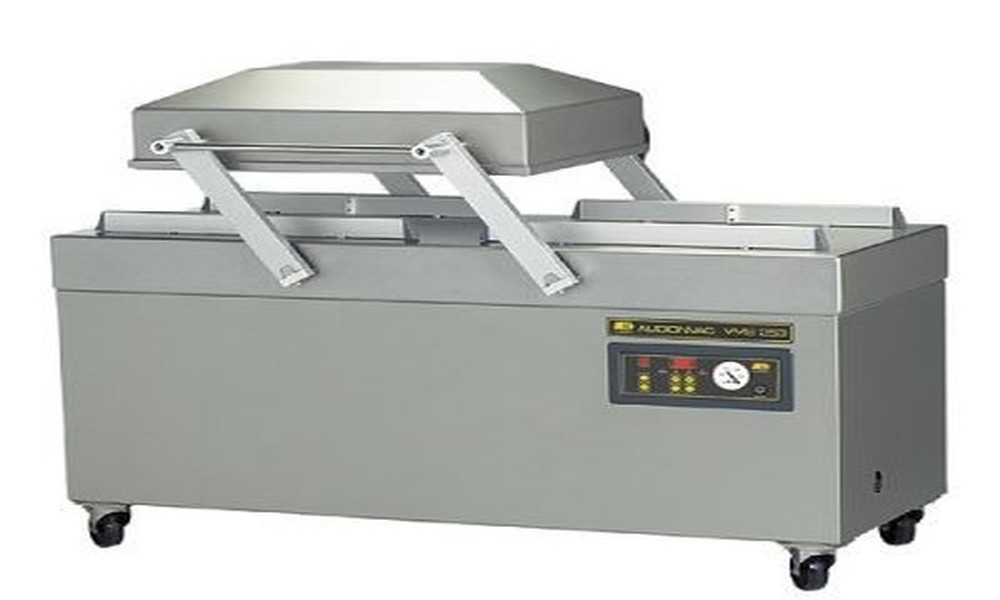
Across manufacturing, food production, logistics, and engineering sectors, industrial vacuum sealing has become a critical process for protecting products, extending shelf life, and improving operational efficiency.
From factories and warehouses to commercial food processors and fulfilment centres, vacuum sealing offers a controlled, repeatable packaging solution that supports quality assurance and waste reduction at scale.
What Is Industrial Vacuum Sealing?
Industrial vacuum sealing is the process of removing air from packaging before sealing, using robust, high-capacity machines designed for frequent and continuous operation. By eliminating oxygen, vacuum sealing helps prevent:
- Oxidation
- Moisture ingress
- Contamination
- Bacterial and mould growth
Unlike domestic units, industrial vacuum sealers are engineered to handle higher volumes, larger products, thicker bags, and demanding production environments.
Why Vacuum Sealing Is Essential in Industrial Applications
1. Extended Shelf Life for Commercial Products
In food manufacturing and processing, vacuum sealing significantly extends product shelf life without relying on chemical preservatives. This is especially important for:
- Meat and fish processing
- Cheese and dairy production
- Ready meals and batch-prepared foods
- Ingredients supplied to catering and hospitality
Longer shelf life reduces spoilage, supports wider distribution, and improves stock control.
2. Protection During Storage and Transport
In non-food industries, vacuum sealing provides a highly effective barrier against moisture, dust, and corrosion. It is widely used to protect:
- Metal components and precision parts
- Electrical items and circuit boards
- Automotive and engineering components
- Medical and laboratory supplies
By removing air, vacuum sealing helps prevent rust, oxidation, and environmental damage during long-term storage or international shipping.
3. Improved Efficiency and Consistency
Industrial vacuum sealers are designed for speed and repeatability. Automated sealing cycles ensure:
- Consistent seal quality
- Reduced manual handling
- Faster packaging throughput
- Lower labour costs
For operations handling large volumes, this consistency is critical for meeting quality standards and compliance requirements.
Vacuum Sealing in Food Production and Processing
In commercial food environments, vacuum sealing plays a key role in:
- Batch preparation – sealing large quantities efficiently
- Portion control – reducing waste and improving accuracy
- Cold-chain management – maintaining freshness during chilled or frozen transport
- Sous vide production – ensuring airtight packaging for controlled cooking
Industrial machines are built to cope with liquids, oils, and marinades – something domestic machines struggle with under continuous use.
Choosing the Right Industrial Vacuum Sealer
Selecting the correct vacuum sealer depends on your operation’s needs. Important considerations include:
- Sealing frequency and volume
- Bag thickness and size compatibility
- Dry vs wet product handling
- Bench-top vs floor-standing machines
- Maintenance and durability requirements
A specialist supplier can help match the right machine to your workflow, ensuring reliability and long-term value.
For businesses looking to explore professional-grade solutions, Sontex offers a range of industrial vacuum sealers suitable for food production, manufacturing, and commercial packaging environments. You can view their vacuum sealer options here:
https://sontex.co.uk/vacuum-sealers/
Beyond Food: Industrial Uses of Vacuum Sealing
Vacuum sealing is also widely adopted across sectors such as:
- Pharmaceuticals and medical supplies
- Electronics and semiconductor manufacturing
- Aerospace and defence components
- E-commerce fulfilment and logistics
Its ability to create a compact, protected package makes it ideal for high-value or sensitive products.
A Reliable Packaging Solution for Modern Industry
As industries continue to focus on efficiency, sustainability, and product protection, vacuum sealing remains a proven and scalable packaging method. By reducing waste, improving shelf life, and safeguarding products during transport and storage, industrial vacuum sealing supports both operational performance and customer satisfaction.
For businesses seeking dependable, commercial-grade vacuum sealing solutions, investing in the right equipment is a practical step towards long-term efficiency and quality control.

Comments are closed.