
Tag

Safety Systems

Browsing

Key Takeaways

  • Gas monitoring helps workplaces identify harmful leaks early so teams can respond before gas levels create serious safety risks.
  • A fixed gas detection system monitors air continuously and alerts workers quickly when gas levels move beyond safe limits.
  • Reliable gas detection equipment helps staff react faster, improving workplace awareness and guiding safer daily work habits.
  • Continuous monitoring provides clear data that safety teams can review while planning ventilation, inspections, and risk control.

Introduction

Air inside an industrial building may appear normal while harmful gases move through pipes, tanks, or enclosed work areas where daily tasks take place. Workers cannot see these gases, and smell rarely provides a dependable warning when levels begin to rise. Alerts from a fixed gas detection system help staff recognise rising gas levels early so teams can react quickly and keep working conditions safer.

Where Gas Hazards Appear in Daily Operations

Routine Tasks Can Release Gas

Daily work activities may release gas into the air without drawing attention during the early stage of a leak or adjustment. Equipment repairs, valve adjustments, or storage handling may release small amounts of gas that spread through nearby work areas. Workers moving between rooms or mechanical spaces may step into an area where gas has slowly collected, which is when gas detection equipment becomes important for identifying changes in air conditions before workers feel any effects.

Early alerts help teams respond in an organised manner while supervisors review the situation. Staff can increase ventilation, inspect nearby equipment, or restrict entry to the affected area while the source of the gas is checked.

Continuous Monitoring Shows Changes Quickly

Occasional air checks cannot capture sudden shifts that may occur during production activities. Machinery operation, temperature changes, or pressure differences inside pipelines may cause gas levels to rise during a working shift. To keep track of these changes throughout the day, many facilities rely on a fixed gas detection system that monitors air conditions and reports when readings begin to move beyond safe limits.

Safety teams can view readings on control panels or monitoring screens across the facility, which helps them understand how air conditions behave in different areas. Engineers may use this information to identify spaces where ventilation adjustments or equipment inspections could reduce risk.

Gas Monitoring and Worker Awareness

Alerts Tell Workers When to Act

Clear warnings help workers react without delay when conditions change. When an alarm from gas detection equipment activates, staff receive a signal that air conditions require immediate attention. Lights, sound alarms, or digital displays inform workers that they should pause their tasks and review the surrounding environment.

Workers can then follow established safety procedures. Teams may move toward a safer area, inspect nearby equipment, or contact supervisors who can assess the situation and organise the next steps.

Visible Monitoring Encourages Safer Habits

Monitoring tools influence how workers think about safety during everyday tasks. Air readings displayed on control panels or monitoring screens help workers become familiar with checking conditions during inspections or equipment checks. Continuous monitoring keeps safety information visible throughout the working day so workers remain aware of environmental conditions.

With time, checking gas readings becomes part of normal workplace routines because workers grow accustomed to reviewing the displays during regular tasks.

Preparing for Unexpected Situations

Monitoring Data Helps Emergency Teams

Gas leaks require quick and informed decisions from supervisors and emergency responders. Supervisors need clear information about where the gas is coming from and how serious the leak may be before deciding whether to evacuate an area or isolate equipment. Accurate readings displayed by gas detection equipment help identify gas concentration levels and the affected location.

Emergency teams can review monitoring data before entering a space so that they understand the level of risk involved.

Long-Term Monitoring Helps Safety Planning

Industrial facilities change gradually as equipment is replaced, layouts are adjusted, or maintenance activities take place. Each of these changes may influence how gases move through the building or collect in certain areas. Monitoring records help engineers observe these changes over time. Across many facilities, a fixed gas detection system tracks air conditions and records data that safety teams can review.

Safety managers can examine this information when planning ventilation improvements, equipment placement, or workplace procedures that reduce exposure risks.

Conclusion

Harmful gases can build up without visible signs, which makes dependable monitoring essential for maintaining workplace safety in environments that handle fuels or chemicals. Monitoring tools convert hidden gas risks into clear information that workers and supervisors can understand and act upon during daily operations.

Continuous monitoring helps teams react quickly to leaks, equipment faults, or changing air conditions that may develop during normal operations.

Contact Ansac Technology today to discuss monitoring solutions that help your workplace track gas levels and maintain safer operations across your facility.
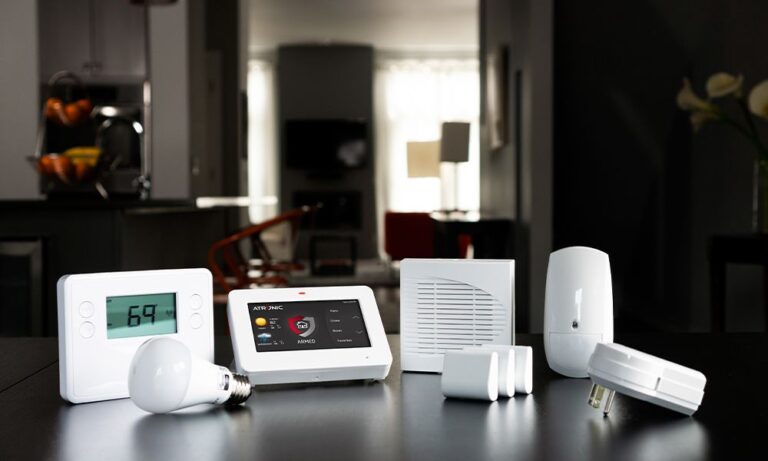

In times of crisis, every second counts. Emergency response teams are the unsung heroes who rush to the scene, whether it’s a medical emergency, a fire, or a break-in. But how do they know when to act, and how can they be sure that they’re responding to the right situation? This is where alarm monitoring services come into play. These services work around the clock to provide accurate, real-time alerts, ensuring emergency responders are dispatched quickly and efficiently.

But how exactly do alarm monitoring services support emergency response teams, and why are they so crucial? In this article, we’ll explore how these services enhance response times, improve safety, and help save lives.

What Are Alarm Monitoring Services?

Alarm monitoring services are systems that track and respond to alarms triggered by various security or emergency situations. These systems monitor alarms from homes, businesses, and public places, detecting everything from break-ins to fire hazards, carbon monoxide levels, or medical emergencies.

When an alarm goes off, the monitoring service alerts both the property owner and emergency responders if needed. These services ensure that help is on the way, often even before the people in distress realize the full severity of the situation.

How Alarm Monitoring Works: The Basics

Imagine you’re in your home, and a fire starts in the kitchen. You may be too panicked to call for help or even unable to reach a phone. However, if you have an alarm monitoring service, the system detects the smoke or fire and sends an instant alert to a central monitoring station. The professionals at the station then assess the situation, confirm the need for a response, and notify emergency services right away.

This process is crucial for ensuring that fire trucks, medical teams, or police arrive without delay. In addition to emergency situations, alarm monitoring can also be used for burglary alerts or other safety concerns.

The Role of Alarm Monitoring in Emergency Response

Alarm monitoring services play an essential role in facilitating quick and precise responses during emergencies. They act as the first line of communication, bridging the gap between those in danger and the appropriate emergency teams. By alerting the right authorities in real-time, these services enable responders to prepare and arrive at the scene with the necessary equipment and information.

Faster Response Times: Why Every Second Matters

When an emergency occurs, every second counts. Whether it’s a medical emergency, a fire, or a robbery, the quicker emergency teams can respond, the better the chances of minimizing damage and saving lives.

Alarm monitoring services significantly cut down on response times by eliminating delays that can happen when individuals manually contact emergency services. For instance, in a home burglary situation, an alarm monitoring service can immediately notify the police, allowing them to take action while the burglars are still in the area.

This reduction in response time can be the difference between life and death, especially in high-risk situations like fires or medical emergencies.

Improved Accuracy in Crisis Situations

Emergency Response Teams

During a crisis, adrenaline can cloud judgment. People might misinterpret the severity of an event, leading to delayed or incorrect responses. Alarm monitoring services help improve accuracy by providing professional monitoring and assessment of the situation.

For example, in case of a fire, alarm services can immediately verify if the fire is active or if there is a false alarm, helping prevent unnecessary panic or misdirected responses. In this way, emergency teams can be more confident in the information they’re receiving.

Real-Time Communication: The Lifeline of Coordination

In any emergency situation, clear communication is key to ensuring that the right resources are sent to the right place at the right time. Alarm monitoring services offer real-time communication between the monitoring station and emergency response teams.

This continuous flow of information allows responders to adjust their actions as the situation evolves. For instance, if a medical emergency call triggers an alarm, the monitoring center can relay critical medical information (e.g., a heart attack) to paramedics, allowing them to prepare in advance.

24/7 Availability: Never Miss an Emergency Call

Emergencies can happen at any time of day or night. Alarm monitoring services provide 24/7 coverage, ensuring that there is always someone available to respond to alerts. Whether it’s 3 p.m. or 3 a.m., emergency responders will be notified without delay.

This round-the-clock availability is especially beneficial for people who live alone or in isolated areas, as they can rest assured that help is always just a call away.

Reducing Human Error in Emergency Responses

Human error is a common factor that can slow down emergency responses. In high-stress situations, people may forget to relay critical information or may misinterpret what’s happening. Alarm monitoring services reduce the risk of human error by offering automated systems that ensure no details are overlooked.

For example, if an alarm is triggered, the monitoring system automatically sends out alerts to the appropriate emergency services, including all necessary information (address, nature of the emergency, etc.). This leaves little room for mistakes, which can be crucial in life-threatening situations.

Alarm Monitoring in Different Emergency Scenarios

Alarm monitoring services are not just for fires or burglaries; they can be used in a variety of emergency situations:

  • Medical emergencies: If someone falls, or experiences a heart attack, or needs immediate medical help, an alarm system can notify the monitoring center, which can then alert medical teams.
  • Floods or gas leaks: Special sensors can detect water levels or gas leaks, triggering alarms and alerting responders immediately.
  • Carbon monoxide detection: CO poisoning is a silent killer, but an alarm system can detect the presence of this deadly gas and send a timely warning to prevent harm.

How Alarm Monitoring Services Improve Public Safety

Alarm monitoring services go beyond personal or business security. They are instrumental in improving overall public safety. Public buildings, schools, hospitals, and other institutions use alarm systems to maintain safety standards. When emergency situations occur in these environments, the faster and more precise the response, the better the outcome.

These services also support law enforcement and fire departments, giving them a more accurate understanding of the emergency before they arrive. This ensures that resources are used efficiently, and more lives can be saved.

Integration with Other Safety Systems

Alarm monitoring services don’t operate in a vacuum. They are often integrated with other safety systems, like surveillance cameras, fire alarms, and access control systems. By linking these various systems together, emergency response teams have a more complete understanding of the situation, enabling a more coordinated response.

For instance, when an alarm monitoring service detects a break-in, surveillance cameras can provide real-time video feeds to the police, improving their ability to assess the situation and catch criminals in the act.

Cost-Effective Benefits for Emergency Teams

Alarm monitoring services not only improve response times but can also be cost-effective for emergency teams. By reducing the need for manual checks or redundant emergency calls, these services streamline operations. They also help prevent damage and loss, which can lead to expensive claims or repairs.

Technology Behind Alarm Monitoring Services

Alarm monitoring services rely on cutting-edge technology to operate efficiently. These systems use sensors, wireless communication, and cloud-based software to track and report alarms. The monitoring stations are equipped with high-tech equipment that can detect alarms from miles away, ensuring a rapid response regardless of the situation.

The Future of Alarm Monitoring and Emergency Response

As technology continues to evolve, so will alarm monitoring services. New innovations, such as AI-driven detection and real-time analytics, will continue to improve the accuracy and speed of these services, further enhancing emergency response efforts. The future of alarm monitoring is bright, with promising advances that will save even more lives.

1. What types of emergencies can alarm monitoring services respond to?

Alarm monitoring services can respond to a variety of emergencies, including fires, burglaries, medical emergencies, gas leaks, and carbon monoxide detection.

2. How does alarm monitoring improve response times?

Alarm monitoring services instantly alert emergency responders, ensuring that help arrives as quickly as possible, without delays caused by human intervention or phone calls.

3. Are alarm monitoring services available 24/7?

Yes, alarm monitoring services are available 24/7, providing continuous coverage day and night to ensure timely responses to emergencies.

4. Can alarm monitoring services help reduce human error in emergencies?

Absolutely. By automating alerts and providing real-time information, alarm monitoring services reduce the likelihood of mistakes or oversights during high-pressure situations.

5. How do alarm monitoring services work with other safety systems?

Alarm monitoring services can integrate with other safety systems, like fire alarms and surveillance cameras, providing more comprehensive and efficient emergency response.

Conclusion

Alarm monitoring services play a vital role in supporting emergency response teams. By providing real-time alerts, facilitating communication, and analyzing data, they help create safer communities. As technology continues to evolve, these service providers will only become more effective, ensuring that help is always just a call away.