
Key Takeaways
- Always place the bubbles inward to provide better grip and direct cushioning for your items.
- Never leave empty space in the box; use padding to prevent the item from shifting during transit.
- Use high-quality adhesives and the H-tape method to ensure the box remains closed in humid conditions.
Introduction
Whether you are sending a gift to a friend or managing a growing business, the process of packing can be overwhelming. We assume that as long as an item sits inside a carton box, it remains safe from the bumps and drops of the delivery journey. Many people reach for bubble wrap as a universal solution, yet they often apply it in ways that offer little actual protection. A single layer of plastic is rarely enough to stop a heavy item from cracking under pressure or shifting during transit. Furthermore, the way you secure your parcel with tape can be the difference between a box that stays shut and one that bursts open in a warehouse. Individuals can avoid the frustration of damaged goods when they understand these small but vital details.
1. Facing the Bubbles the Wrong Way
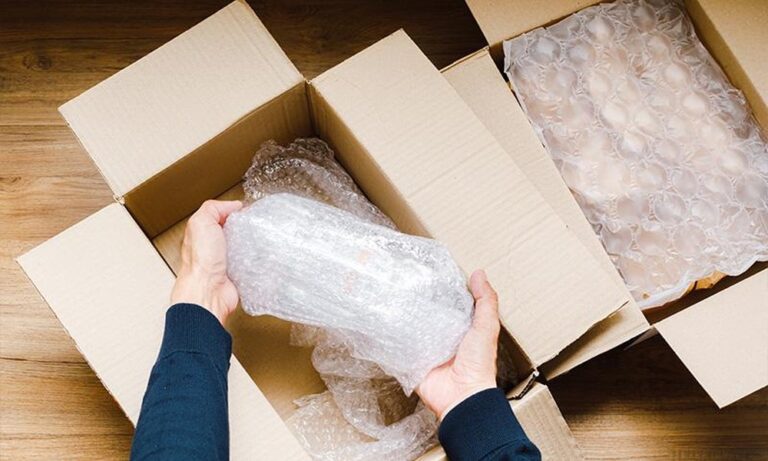
One of the most frequent errors people make involves the orientation of the bubble wrap itself. It feels intuitive to have the smooth side touching the product and the bubbles facing outward, but this actually reduces the effectiveness of the cushioning. You should always wrap your items with the bubbles facing inward, toward the object, allowing the air pockets to grip the surface of the item and act as a direct shock absorber. When you place a delicate glass into a carton box with the bubbles facing out, the flat plastic surface can slide against the item, providing less stability. To keep the wrap from unravelling, use small strips of tape to secure the ends before placing the bundle into the container.
2. Leaving Too Much Empty Space
A common misconception is that a lot of bubble wrap can compensate for a carton box that is far too large for the product. While the padding is essential, leaving large gaps of air inside the package allows the item to gain momentum when the box moves. This shifting results in the item hitting the walls of the container with enough force to pop the bubbles and break the contents. If you still see gaps after wrapping, use crumpled paper or additional layers of bubble wrap to fill the void until the item no longer moves when you give the box a gentle shake. Once satisfied, use heavy-duty tapes to seal the flaps firmly, reinforcing the structural integrity of the entire package.
3. Skimping on the Quality of Sealing Materials
It is easy to focus all your attention on the internal padding while ignoring the importance of the tapes used to close the carton box. Standard stationery tape or low-grade adhesives often fail when exposed to Singapore’s high humidity, causing the flaps to peel back during storage or transport. When a box loses its seal, the internal bubble wrap can shift, or the box itself can collapse under the weight of other parcels. You should use an H-tape method, sealing the centre seam and all open edges to create an airtight and sturdy finish. Using wide, industrial-strength tapes ensures that the bond remains strong even if the parcel sits in a non-air-conditioned delivery hub for a few days. A secure seal is just as important as the cushioning inside, as it keeps the entire protective system functioning as intended.
4. Over-Wrapping Without Considering Weight
More is not always better when it comes to bubble wrap, especially for heavier items that require structural support rather than just surface protection. If you wrap a heavy stone carving in twenty layers of bubbles but place it in a thin, single-wall carton box, the box will likely fail from the inside out. The weight of the item can eventually flatten the air pockets, leaving the product vulnerable to the hard floor. For heavy goods, you need a combination of a double-wall carton box and dense foam or corrugated cardboard inserts alongside your bubble wrap. Ensure you use reinforced tapes on the bottom of the box to prevent the base from dropping out. Balancing the softness of the wrap with the rigidity of the box ensures that the parcel can handle both the pressure of being stacked and the shock of being moved.
5. Forgetting to Protect the Corners
The corners of a carton box are the most vulnerable points during the sorting process, as they often take the brunt of every bump and slide. Many people wrap the centre of their product thickly with bubble wrap but leave the ends thin, which is exactly where most breaks occur. When packing, pay extra attention to the edges and corners of your items, adding a double layer of protection to these areas. You can also use corner protectors or extra folds of wrap to create a bumper effect. Once the item is inside, make sure there is at least two inches of padding between the product and every wall of the carton box. Securing these corners with cross-sections of tape helps maintain the shape of the wrap and prevents it from shifting toward the centre.
Conclusion
Packing correctly is a straightforward way to protect your investments and maintain your reputation as a reliable sender. When you move away from haphazard wrapping and start using bubble wrap and tapes strategically, you significantly lower the risk of shipping mishaps. The combination of a well-chosen carton box and proper internal cushioning creates a safety net that survives the realities of modern delivery. By taking the time to face bubbles inward and fill all voids, you ensure that your parcels are ready for the heat and handling they will inevitably face, saving you the cost of replacements and the headache of handling returns.
Contact PackInk to explore durable packing supplies that keep your items safe during every journey.