
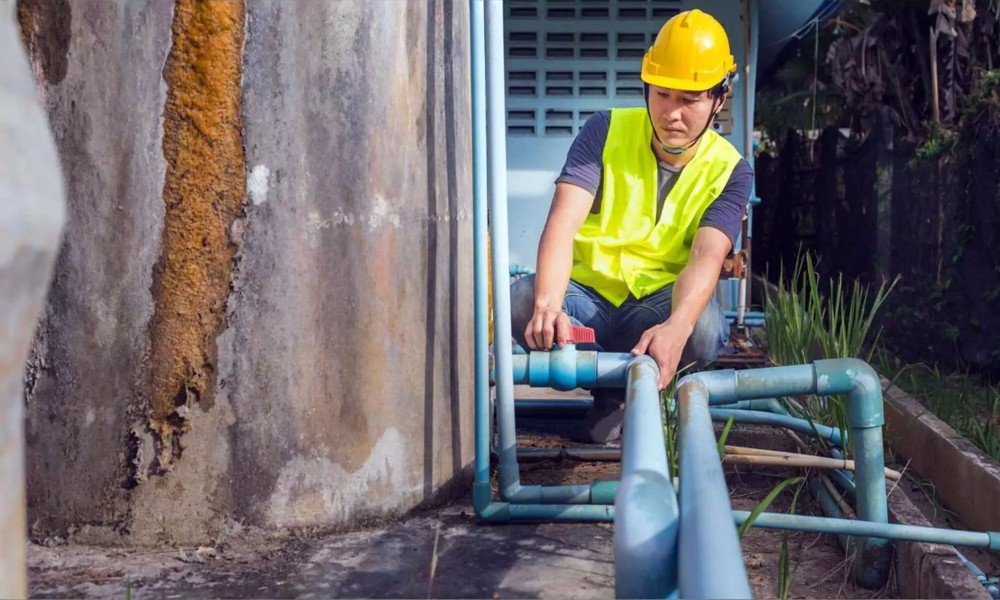
Pipe leaks are one of the most common and costly issues in industrial piping systems across the UK. Whether in manufacturing plants, water treatment facilities, or chemical processing environments, even a small leak can lead to downtime, product loss, safety risks, and expensive repairs.
Understanding what causes leaks and how to prevent them is essential for maintaining reliable and efficient pipework systems.
Why Pipe Leaks Occur
Leaks rarely happen without a reason. In most cases, they develop gradually due to a combination of material, installation, and operational factors.
Common causes include:
- Poor installation or incorrect jointing techniques
- Material degradation due to corrosion or chemical exposure
- Excessive system pressure beyond rated limits
- Thermal expansion and contraction over time
- Worn or damaged pipe fittings and seals
Identifying these risks early is key to preventing long term system failure.
The Importance of Proper Installation
A significant proportion of leaks originate from installation errors. Even high quality pipework systems can fail if components are not fitted correctly.
Key installation considerations include:
- Ensuring correct alignment of pipes and fittings
- Using appropriate sealing methods for the system type
- Applying correct torque on threaded or flanged joints
- Avoiding over tightening, which can damage components
- Following manufacturer guidelines for assembly
Proper installation forms the foundation of a leak free system.
Choosing the Right Materials and Components
Material selection plays a major role in leak prevention. Pipes and fittings must be compatible with the fluid being transported and the operating environment.
For example:
- Corrosive environments require resistant materials such as stainless steel or suitable plastics
- High pressure systems need components rated for increased stress loads
- Temperature fluctuations must be accounted for to avoid expansion-related stress
Using incompatible materials increases the risk of cracks, joint failure, and premature wear.
The Role of Pipe Fittings in Leak Prevention
Pipe fittings are critical points within any system, and poor quality or incorrectly selected fittings are a common source of leaks.
To reduce risk, it is important to:
- Use fittings rated for the correct pressure and temperature
- Match fitting materials with pipework materials
- Ensure seals and gaskets are compatible with transported fluids
- Replace worn fittings during maintenance cycles
Reliable fittings help maintain system integrity under continuous operation.
Regular Maintenance and Inspection
Even well installed systems require ongoing maintenance. Regular inspections help identify early signs of wear before they develop into leaks.
Effective maintenance practices include:
- Visual inspection of joints and connections
- Pressure testing at scheduled intervals
- Monitoring for corrosion or surface damage
- Replacing seals and fittings proactively
Preventative maintenance significantly reduces the likelihood of unexpected failures.
System Pressure and Flow Control
Excessive or fluctuating pressure is another major cause of leaks. Proper flow control helps maintain system stability and reduces stress on pipework.
This can be managed by:
- Using correctly rated valves
- Installing pressure regulation systems where necessary
- Avoiding sudden flow changes that create pressure surges
- Designing systems with appropriate safety margins
Stable operating conditions extend the life of the entire system.
Frequently Asked Questions
What is the most common cause of pipe leaks?
Poor installation and incorrect jointing methods are among the most common causes of leaks in industrial systems.
Can pipe leaks be prevented completely?
While risk can be greatly reduced, regular maintenance and correct system design are essential to minimise failures.
Do pipe fittings wear out over time?
Yes. Exposure to pressure, temperature changes, and chemicals can cause fittings to degrade and require replacement.
Is pressure testing necessary for leak prevention?
Yes. Pressure testing helps identify weak points before systems are fully commissioned or returned to service.
Final Thoughts
Preventing pipe leaks in industrial systems requires a combination of correct installation, suitable material selection, reliable fittings, and ongoing maintenance. By addressing these key areas, businesses can significantly reduce downtime, improve safety, and extend the lifespan of their pipework infrastructure.
In demanding UK industrial environments, a proactive approach to leak prevention is essential for maintaining efficient and reliable operations.

Comments are closed.