
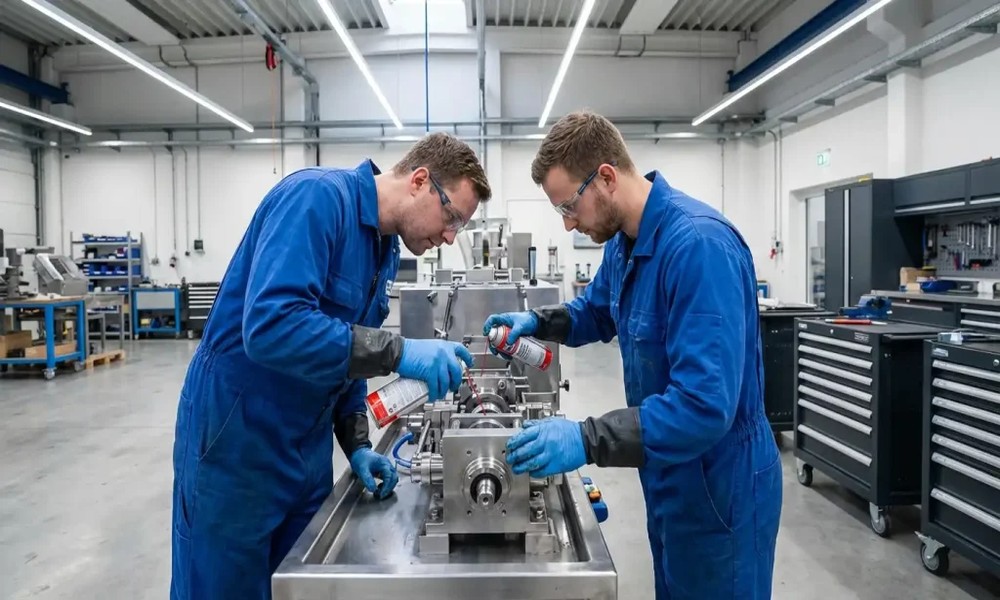
Clear output and steady workflow depend on reliable support tools that simplify daily tasks. Aerosols play a strong role in improving surface care and maintenance across many work settings. Teams often face delays due to manual handling and uneven application methods, which reduce speed and accuracy. Smart spray solutions help reduce effort while improving coverage and control in different conditions. With the right approach, tasks become smoother and more consistent, leading to better results with technical aerosols.
Efficient Surface Preparation Methods
Correct surface planning sets the base for strong and long-term results. Clean and dry areas aid sprays bond better and decrease waste during application. Controlled use supports even coverage, which improves overall task quality. Workers gain better control when preparation steps are clear and simple to follow, ensuring consistent results across all tasks.
Consistent Application Control Techniques
Smooth application ensures equal distribution without excess use or gaps. Balanced pressure and steady movement help achieve uniform results in each task. The use of technical aerosols allows better reach in tight or hard areas.
• Maintain steady hand movement for uniform spread across working areas
• Use the correct distance for better coating strength and a consistent finish
• Adjust pressure flow to suit different surfaces and working needs
• Apply in short bursts to reduce waste and improve handling control
• Check spray angle often to keep coverage even and smooth
Improving Workflow Efficiency Levels
Well-organized methods help reduce delays and support faster task completion. Clear steps allow teams to move smoothly between tasks without confusion. Better coordination reduces repeated effort and supports steady progress. Aerosols help simplify actions that usually take more time and manual work.
Enhancing Workplace Safety Standards
Safe handling of things guarantees smooth operations and decreases risk. Proper spray control avoids spills and reduces harmful exposure during use. Clear instructions and controlled output help maintain a secure work area.
• Use defensive gloves to lessen direct contact with spray materials
• Ensure proper airflow to avoid the buildup of strong vapors indoors
• Store containers in cool, dry spaces away from direct heat
• Follow simple instructions to avoid misuse during active tasks
• Keep the working area clean to reduce slips and unwanted accidents
Strengthening Output Quality Consistency
Consistent results are important for maintaining high standards in daily tasks. Even application reduces variation and improves finish across surfaces. Aerosols support controlled use, which helps maintain uniform results. This leads to better trust in outcomes and fewer corrections during work.
Supporting Resource Optimization Practices
Careful use of materials helps reduce unnecessary waste and supports balanced usage. A focused application allows better control over the quantity used in each task. Aerosols make it easier to apply only what is needed without excess. This improves planning and helps teams manage resources with more clarity.
Strong results come from clear planning and careful use of tools that support steady work. Choosing suitable spray methods helps reduce delays and improve task quality across different activities. When teams focus on correct handling and simple steps, they can maintain better output with less effort. A balanced approach guarantees that resources are used wisely while maintaining stable performance through dependable systems and thoughtful use of available solutions.
FAQ
What makes spray solutions useful for improving daily operational productivity tasks?
They provide even coverage, faster application, and reduce manual effort in tasks.
Why is proper surface preparation important before applying spray-based solutions?
Clean surfaces help with better bonding and reduce the need for repeated corrections.
How can controlled spray use support better safety during regular work processes?
It limits exposure, reduces spills, and keeps work areas safer for teams.

Comments are closed.