
Key Takeaways
- Roof condition directly affects the safety and lifespan of solar panel systems.
- Structural strength, waterproofing, and material type all matter before installation.
- Repairs done early prevent costly disruptions later.
- Energy strategies, like planning to buy a REC certificate, can complement solar efforts.
Introduction
Solar energy is gaining serious traction in Singapore, and it is not hard to see why. With rising electricity costs and growing environmental awareness, many property owners are turning to solar panel installation as a practical long-term move. But here’s something that often gets overlooked in the excitement: the roof itself.
It sounds obvious, yet it is surprisingly easy to forget. Solar panels sit on the roof for decades. If the surface beneath them is compromised, the entire system can become a costly headache. A quick inspection might seem like a minor step, but skipping it can lead to repairs, inefficiencies, or even safety risks later on.
What’s Really Sitting Beneath Your Panels?
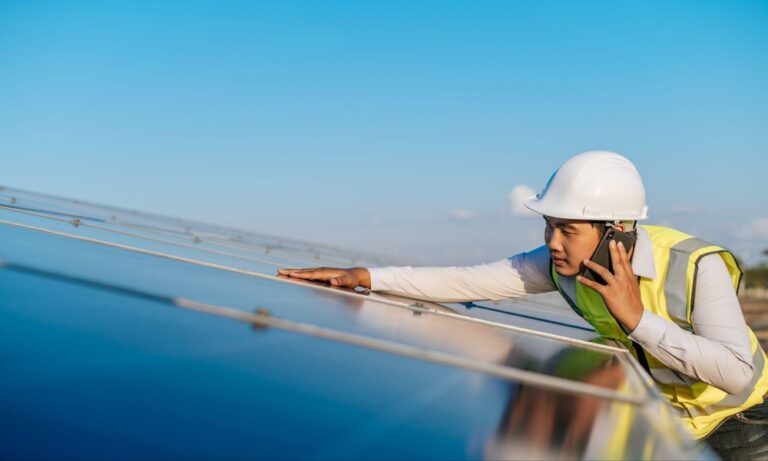
Before committing to any solar panel installation, the roof needs to be assessed like a foundation, not just a surface. Think of it like placing heavy furniture on weak flooring. It might hold for a while, but over time, problems begin to show.
Structural integrity is the first concern. Older roofs, especially those nearing the end of their lifespan, may not support the added weight of panels and mounting systems. Even modern roofs can have hidden issues, such as weakened beams or past water damage that is not immediately visible.
Material also plays a role. Concrete tiles, metal sheets, and membrane roofs all behave differently under installation. Some materials are easier to work with, while others require specialised mounting methods that increase cost and complexity. A proper assessment ensures the chosen setup matches the roof’s characteristics rather than forcing a one-size-fits-all approach.
Small Cracks, Big Problems Later
Here’s the thing: minor roof issues rarely stay minor once panels are installed. A tiny leak or hairline crack might seem harmless today, but once solar panels cover the area, access becomes limited, and repairs become more disruptive.
Waterproofing is particularly important in Singapore’s climate. Heavy rain and humidity can worsen even the smallest vulnerabilities. If leaks develop beneath solar panels, they may go unnoticed until interior damage appears. By then, repairs involve removing panels, fixing the roof, and reinstalling the system, which is far from ideal.
Addressing these issues early is not just about avoiding inconvenience. It also protects the investment. Solar panel installation is meant to deliver consistent energy savings, not surprise maintenance costs.
Balancing Solar With Broader Energy Strategies
Solar panels are often part of a bigger picture. Some businesses and property owners complement their systems by choosing to buy REC certificate options, which help offset energy usage that solar alone cannot cover.
This combination works best when the physical infrastructure is sound. A well-maintained roof ensures that solar generation remains steady, allowing other sustainability measures, such as the decision to buy REC certificates, to play a supporting role rather than compensating for inefficiencies.
There is also a practical side to this. Energy planning tends to involve long timelines, contracts, and financial forecasting. A compromised roof disrupts that flow, making it harder to maintain consistency across energy strategies.
Getting It Right Before the First Panel Goes Up
So what does a proper pre-installation check look like? It is not overly complicated, but it does require attention to detail. Professionals typically assess load capacity, inspect for damage, review drainage systems, and evaluate how the roof interacts with mounting structures.
Sometimes, the recommendation is straightforward: proceed as planned. Other times, minor repairs are suggested. In some cases, a full roof replacement might be the smarter choice before installation begins. That might sound like a setback, but it often saves money and stress over the long run.
It is also worth noting that newer roofs tend to align better with the lifespan of solar panels. Installing panels on a roof that will need replacement in a few years creates unnecessary duplication of work.
Conclusion
Solar energy offers clear benefits, from reducing electricity costs to supporting sustainability goals. Yet the success of any solar panel installation depends heavily on what lies beneath. A strong, well-maintained roof provides the stability needed for long-term performance, while a neglected one introduces risks that can undermine the entire system.
Taking the time to inspect and prepare the roof may not be the most exciting part of the process, but it is one of the most important. When paired with broader energy decisions, such as choosing to buy REC certificate options, a solid foundation ensures that every effort works together smoothly.
For those planning to make the switch, reaching out to a trusted provider can make all the difference. Contact Flo Energy Singapore to explore reliable solutions and start building a more efficient energy future.