Author

John Micheal

Browsing

Protective packaging has quietly become one of the most important parts of modern online retail. Parcels travel through warehouses, conveyor belts, trucks, airplanes, and finally into the hands of customers. During this long journey, products are exposed to pressure, vibration, and sudden impact. A well-designed Air Cushion Packaging Machine makes this entire process far more reliable by creating lightweight protective air pillows that shield items from damage. For e-commerce businesses that ship hundreds or even thousands of orders every day, an Air Cushion Packaging Machine quickly becomes an essential tool for maintaining product safety while keeping packaging operations simple and efficient.

Packaging challenges appear every day in busy fulfillment environments. Fragile items such as electronics, glassware, cosmetics, and small appliances require protective materials that can absorb shocks during transportation. An Air Cushion Packaging Machine produces air-filled cushions that surround products and keep them stable inside the box. Instead of relying on bulky foam or heavy paper, the Air Cushion Packaging Machine generates protective packaging on demand, allowing businesses to pack orders faster while using less storage space.

Air Cushion Packaging Machine and the Growth of E Commerce Shipping

E-commerce shipping has expanded rapidly in recent years, and packaging systems must keep up with the growing demand. An Air Cushion Packaging Machine supports this growth by providing fast, consistent protective packaging without complicated preparation. Warehouse workers can simply load film rolls into the Air Cushion Packaging Machine, and within seconds it begins producing rows of air pillows ready to be placed inside shipping cartons.

Speed matters greatly in modern fulfillment centers. An Air Cushion Packaging Machine allows packers to create protective materials exactly when they need them instead of storing large quantities of pre-made packaging supplies. This flexibility helps companies maintain smooth workflows during busy sales seasons such as holiday promotions or flash sales. As order volume increases, the Air Cushion Packaging Machine continues to deliver reliable cushioning without slowing down the packaging process.

Another advantage of using an Air Cushion Packaging Machine is its ability to maintain consistency in packaging quality. Each air pillow created by the Air Cushion Packaging Machine contains a controlled amount of air, ensuring stable protection for a wide variety of products. This consistency helps businesses maintain customer satisfaction by reducing the chances of damaged goods arriving at the customer’s doorstep.

Cost Efficiency with Air Cushion Packaging Machine Technology

Shipping costs can rise quickly when packaging materials are bulky or heavy. A practical benefit of using an Air Cushion Packaging Machine is that the cushions themselves are extremely lightweight. Since the Air Cushion Packaging Machine fills the packaging material primarily with air, the added weight to each parcel remains minimal.

Warehouse storage costs also decrease when an Air Cushion Packaging Machine is used. Traditional packaging materials such as foam peanuts or pre-made bubble wrap occupy significant storage space. By contrast, an Air Cushion Packaging Machine only requires compact rolls of plastic film. These rolls take up far less room than boxes filled with bulky packaging supplies.

Operational efficiency improves as well. Workers no longer need to measure or cut large sheets of protective material. Instead, the Air Cushion Packaging Machine continuously produces the exact amount of cushioning needed for each package. This streamlined workflow allows businesses to pack more orders within the same amount of time, making the Air Cushion Packaging Machine an important investment for growing e-commerce companies.

Air Cushion Packaging Machine for Better Product Protection

Product protection remains the core reason many companies adopt an Air Cushion Packaging Machine. Air cushions act like small shock absorbers that distribute impact energy around the product. When a parcel experiences vibration or pressure during transportation, the air pillows created by the Air Cushion Packaging Machine help prevent the product from shifting or colliding with the box walls.

Fragile items benefit especially from this form of cushioning. Electronics, glass bottles, ceramics, and cosmetics often require a protective barrier that is both soft and resilient. An Air Cushion Packaging Machine produces flexible air pillows that gently surround delicate items while maintaining structural strength.

Consistency also contributes to better protection. Each air pillow produced by the Air Cushion Packaging Machine contains evenly distributed air, which helps create a stable cushioning layer around products. When multiple pillows are placed inside a box, the Air Cushion Packaging Machine effectively forms a protective buffer that reduces the risk of breakage during long shipping routes.

Air Cushion Packaging Machine and Sustainable Packaging Trends

Environmental awareness has become an important topic in the packaging industry. Many companies now look for solutions that reduce material waste without sacrificing product protection. An Air Cushion Packaging Machine supports these sustainability goals because it relies on minimal raw material while maximizing cushioning performance.

The film rolls used by an Air Cushion Packaging Machine require significantly less material than bulky foam packaging. Since the cushions are primarily filled with air, the overall plastic consumption is reduced. Some Air Cushion Packaging Machine systems even support recyclable or biodegradable film options, allowing companies to further improve their environmental impact.

Transportation efficiency also contributes to sustainability. Because packaging film rolls are compact, more supplies can be transported in fewer shipments. This means the Air Cushion Packaging Machine indirectly helps reduce carbon emissions associated with packaging supply logistics. Over time, these small improvements make the Air Cushion Packaging Machine a practical step toward greener packaging operations.

Air Cushion Packaging Machine and Space Saving in Warehouses

Warehouse space is valuable, especially for fast-growing e-commerce businesses. Large volumes of traditional packaging materials can quickly crowd storage areas. A simple yet powerful benefit of an Air Cushion Packaging Machine is its ability to minimize the space required for packaging supplies.

Instead of storing piles of pre-inflated packaging materials, businesses only need to keep compact film rolls for the Air Cushion Packaging Machine. These rolls occupy a fraction of the space required by foam peanuts or pre-made bubble packaging. As a result, warehouses can allocate more room for inventory storage and order fulfillment.

The Air Cushion Packaging Machine itself is typically compact and easy to install near packing stations. Workers can access freshly produced air pillows directly from the machine, eliminating the need to walk across the warehouse to retrieve packaging materials. This small improvement in workflow efficiency makes the Air Cushion Packaging Machine especially valuable in high-volume shipping environments.

Air Cushion Packaging Machine and Improved Packing Speed

Packing speed directly affects how quickly orders reach customers. A modern Air Cushion Packaging Machine helps streamline this process by providing instant cushioning materials whenever needed. As soon as the machine is activated, the Air Cushion Packaging Machine begins inflating film into protective air pillows that can be used immediately.

This on-demand production method eliminates delays associated with cutting or preparing traditional packaging materials. Packers simply pull a length of air cushions from the Air Cushion Packaging Machine and place them inside the box. The result is a smoother workflow and faster order processing.

During peak sales periods, the Air Cushion Packaging Machine proves especially helpful. Businesses that process large order volumes can rely on the Air Cushion Packaging Machine to maintain steady packaging output without interruptions. By improving packing speed and consistency, the Air Cushion Packaging Machine helps companies meet customer expectations for quick and reliable delivery.

Air Cushion Packaging Machine Supporting Business Growth

As businesses grow, their packaging systems must scale accordingly. An Air Cushion Packaging Machine offers the flexibility needed to support expanding operations. Whether a company ships dozens of packages per day or thousands, the Air Cushion Packaging Machine can adapt to different packaging demands.

Smaller businesses benefit from the simplicity of the Air Cushion Packaging Machine, as it reduces the need for large storage areas and complicated packaging setups. Larger fulfillment centers appreciate the efficiency and consistency provided by the Air Cushion Packaging Machine, especially when integrated into automated packing lines.

Customer satisfaction also improves when products arrive safely and neatly packaged. An Air Cushion Packaging Machine plays a key role in delivering that positive experience. By ensuring that goods remain protected throughout the shipping process, the Air Cushion Packaging Machine strengthens a company’s reputation for reliability and quality service.

Air Cushion Packaging Machine as a Long Term Packaging Solution

Reliable packaging equipment is an investment that supports daily operations for many years. An Air Cushion Packaging Machine is designed to operate continuously in busy shipping environments while maintaining stable performance. With proper maintenance, the Air Cushion Packaging Machine can serve as a long-term solution for protective packaging needs.

Technology continues to improve packaging systems as well. Many modern Air Cushion Packaging Machine models offer adjustable air pressure, multiple cushion formats, and user-friendly controls. These features allow businesses to customize packaging according to product size and fragility, making the Air Cushion Packaging Machine suitable for a wide variety of shipping applications.

Over time, the efficiency gained from using an Air Cushion Packaging Machine often outweighs the initial investment. Reduced packaging waste, lower shipping costs, and faster packing operations all contribute to long-term operational savings.

E-commerce continues to reshape the global retail landscape, and reliable packaging remains a critical part of that transformation. A well-designed Air Cushion Packaging Machine helps businesses protect products, optimize warehouse space, and maintain efficient shipping workflows. By producing lightweight yet effective cushioning materials on demand, the Air Cushion Packaging Machine offers a practical solution that supports both operational efficiency and customer satisfaction.


As the skills gap continues to widen across industries, the role of Learning and Development (L&D) has evolved from a supporting HR function into a core driver of corporate strategy. In 2026, the most resilient and competitive organizations are those that recognize their workforce as an “appreciating asset” rather than a fixed cost. To sustain this advantage, HR leaders must strategically leverage L&D courses to cultivate a culture of continuous learning that aligns employee growth with long-term business goals. This alignment ensures organizations remain adaptable, innovative, and capable of responding quickly to technological disruption and shifting market expectations.

Modern L&D courses are no longer limited to compliance training or onboarding programs. They now focus on equipping organizations with the tools needed to future-proof their talent. By embedding learning into daily workflows and performance management systems, companies create an environment where skill development becomes an ongoing process rather than a one-time initiative. This approach enables organizations to build internal capabilities instead of relying heavily on external hiring, which is often costly and unpredictable.

Advanced L&D courses teach professionals how to move beyond “training for today” and begin “developing for tomorrow.” This strategic shift requires mastering upskilling and reskilling methodologies-preparing employees for hybrid, technology-enabled roles that did not exist a few years ago. Through professional learning, L&D leaders gain the ability to conduct detailed skills gap analyses, forecast future capability needs, and design personalized learning pathways. These structured development journeys not only improve workforce readiness but also strengthen employer branding by appealing to ambitious, growth-oriented talent.

Upskilling for the Age of Artificial Intelligence

The defining workforce challenge of 2026 is the rapid integration of Artificial Intelligence (AI) across business functions. Professional L&D courses place strong emphasis on reskilling employees whose roles are being reshaped by automation and intelligent systems. The goal is not to replace human talent but to teach employees how to collaborate effectively with AI tools. This includes developing analytical thinking, digital fluency, and decision-making skills that complement machine capabilities.

By identifying “at-risk” skills early, L&D teams can deploy targeted upskilling programs that reduce disruption and anxiety within the workforce. Proactive reskilling preserves institutional knowledge while allowing organizations to modernize their operations. Companies that invest in AI-focused learning initiatives are better positioned to innovate responsibly while maintaining productivity, employee confidence, and operational continuity.

Building a Robust Internal Leadership Pipeline

Internal talent mobility has become a cornerstone of employee retention and organizational sustainability. Specialized L&D courses provide proven frameworks for identifying high-potential employees and systematically preparing them for leadership roles. By developing a structured succession strategy, organizations reduce their dependence on external recruitment, which often carries higher costs and cultural risks.

Leadership development programs built through L&D courses focus on strategic thinking, people management, and ethical decision-making. When employees see a transparent path for advancement supported by company-sponsored learning, engagement and loyalty increase significantly. This results in a motivated leadership pipeline that understands the organization’s culture, values, and long-term vision.

Personalizing the Learning Experience for a Diverse Workforce

The traditional one-size-fits-all training model is no longer effective in a multigenerational and diverse workforce. Modern L&D courses emphasize the use of learning analytics, digital platforms, and adaptive content to personalize development experiences. This personalization involves understanding varied learning preferences and delivering “just-in-time” learning that directly supports employees in their daily roles.

By making learning flexible, relevant, and accessible, organizations achieve higher participation rates and stronger knowledge retention. Personalized learning strategies also maximize the return on investment in L&D, ensuring that development budgets translate into measurable performance improvements and skill acquisition.

Conclusion

L&D is the engine that drives organizational evolution in a rapidly changing business environment. By mastering contemporary learning theories, technology-enabled training models, and strategic development frameworks through L&D courses, HR leaders can position their organizations for long-term success.

You should remember that plant maintenance is essential aspect for your industry because it will help you ensure your equipment and machinery works as perfect as possible. When you neglect regular maintenance, the main problem lies in idea that your equipment can break down, which leads directly to expensive downtime.

Therefore, you should implement plant maintenance strategy that refers to ensuring preservation and supervision of your equipment. We are talking about regular repairs, inspections, upgrades and replacements, which are essential for keeping the plant running effectively and efficiently.

Generally, numerous organizations are using CMMS or computerized maintenance management systems. They can help you reach the overarching visibility of maintenance systems, which is vital to remember. You should check here to learn more about natural gas power plants.

We can differentiate numerous plant maintenance strategies and scenarios in factory settings. For instance, a factory scheduled maintenance shutdowns can repair and inspect equipment such as machine parts and conveyor belts. At the same time, companies can use predictive analysis combined with sensors to monitor potential wear and tear.

These features can schedule maintenance in the future, which is important for preventing potential issues from happening.

Importance of Plant Maintenance

You should remember that plant maintenance is essential for various reasons, especially because you will ensure overall safety and efficiency. For instance, maintenance can help you ensure proper facility maintenance and equipment perspective, which prevents workplace injuries and accidents.

Article image

Another problem that you can prevent is significant expenses that may happen in case of replacements and repairs. Therefore, you should adopt maintenance strategies to extend equipment’s durability and overall life.

Remember that power plant industries are continually following strict compliance standards. Government agencies have strict guidelines on what you can and cannot do, which is vital to remember. A small failure to comply with them can result in hefty penalties and fines.

The main idea is to maximize equipment availability and uptime, which is crucial goal of plant maintenance strategy. As soon as you decide to regularly maintain and inspect equipment, you will reduce breakdowns and ensure the processes at their best.

The strategy will ultimately help you reduce maintenance costs while you can improve productivity and minimize the need for repairs. Besides, regular maintenance can help you ensure legal requirements and compliance. That way, you can ensure the equipment meets environmental and safety standards.

As you can see, regular maintenance schedules are crucial because you can minimize the equipment downtime, improve overall reliability and performance, while ensure the process remains as perfect as possible. You should learn more about Rotor Repair Services to understand few things about this particular topic.

Things to Know About Maintenance

Maintenance companies are backbones of operational integrity within your power plant. They can help you obtain comprehensive solutions regarding your needs and preferences, which will ensure that infrastructure can generate electricity in perfect and optimal conditions. At the same time, you will get guarantee to receive reliable and consistent energy supply.

It does not matter whether you are using gas, steam or combustion system, because power plant team comes with expertise and knowledge on how to deal with such factors, which will help you ensure the best course of action. As a result, you will be able to serve the process by implementing optimal and healthy opportunities.

When it comes to services provided by maintenance companies, you should know that they could help you achieve things from scheduled overhauls to maintenance, unexpected outages.

They feature reliable equipment and understanding on how to keep system diagnostics, control systems, asset management, parts replacements, complete refurbishments and reliability upgrades.

We can differentiate maintenance into predictive, corrective and preventive, where each one comes with specific set of methodologies and strategies. Preventive maintenance is essential because you will implement regular services and routine checks to prevent potential problems before they occur.

We are talking about proactive approach specifically designed to ensure your equipment runs as smoothly as possible, while in most cases it includes the replacement of parts that may wear and tear due to harsh conditions.

On the other hand, corrective maintenance is essential for fixing the issues. These companies are taking advantage of rapid response teams that can easily deal and troubleshoot problems to prevent expensive downtime that may happen.

When it comes to smart sensors and big data analytics, you should know that predictive maintenance is widely recognized service. The approach is data-driven for predicting when maintenance should be performed, which may handle the problems in the signs of failure. Visit this link: https://www.dailymotion.com/video/x7v14id to learn more about this particular topic.

The main idea is to choose a third-party maintenance and operations and provider is the most important decision that will help you ensure safety, performance, and financial health when handling and managing power generation facility.

Therefore, criteria should be certification and experience, which are essential factors. Of course, check out online for best options and read reviews while talking with some people within the industry. That way, you can talk about different options and choose the one that meets your demand.

Organizations often celebrate bold ideas and disruptive innovations, but vision alone is rarely enough to secure long-term success. What distinguishes enduring companies from those that fade after early breakthroughs is their ability to execute consistently over time. Execution is not only about hitting quarterly targets, but building habits, systems and values that turn ambition into reality every single day. Gregory Hold, CEO and founder of Hold Brothers Capital, recognizes that the organizations most likely to thrive are those where operational execution is woven into the cultural fabric rather than treated as a side function.

Cultures focused on operational execution are not cold or rigid. They are disciplined, reliable and oriented toward follow-through, but they also leave room for creativity and adaptability. The balance of structure and innovation allows them to achieve sustainable growth. By prioritizing accountability, clear goals and continuous improvement, leaders who foster execution-driven cultures create organizations that can withstand pressure and maintain steady progress long after initial excitement fades.

Why Culture Outlasts Strategy

Strategies come and go, adapting to shifts in markets and technology, but culture endures. A company can pivot its business model, restructure departments, or launch new products, but if the culture is not execution-driven, consistency will collapse under the weight of change. Culture provides stability, giving teams a shared understanding of how work gets done.

Execution-driven cultures reinforce that consistency is not optional. Teams hold each other accountable, leaders model follow-through and processes turn goals into achievements. Without this cultural backbone, even the strongest strategies struggle to gain traction. Leaders who prioritize execution embed resilience into their organizations by helping strategy and culture move in lockstep.

Execution as a Habit, not a Task

One of the most potent aspects of execution-driven cultures is that they transform execution from a task into a habit. When execution is habitual, consistency does not depend on extraordinary effort or constant reminders. It becomes second nature, embedded in how employees approach their work every day.

This habit is reinforced through rituals such as weekly check-ins, structured performance reviews and recognition of completed milestones. These practices send a clear signal: what matters is not only great ideas but the ability to follow through on them. Over time, execution ceases to be an initiative led from the top and becomes a shared cultural expectation.

The Role of Accountability

Execution without accountability is fragile. Accountability keeps promises intact and drives results. In execution-driven cultures, accountability is not about micromanagement or blame. It is about clarity, ownership and responsibility.

Gregory Hold of Hold Brothers Capital emphasizes that accountability is the mechanism that transforms vision into consistent results. By making expectations transparent and giving individuals ownership of outcomes, leaders create environments where execution flourishes. Accountability keeps momentum alive, allowing projects to be completed, goals achieved and progress tracked.

When accountability is cultural, employees do not wait for instructions to act. They understand their roles, feel trusted to deliver and take pride in contributing to organizational goals. This self-reinforcing cycle turns accountability into one of the strongest drivers of sustainable growth.

Execution and Innovation: Partners, Not Opposites

Some leaders fear that emphasizing execution will stifle creativity, but execution and innovation are not opposites. In fact, execution enables innovation to scale. Ideas that remain unexecuted lose value, while ideas paired with execution create impact. Execution-driven cultures provide a structure that keeps creative energy from being wasted and channels it into meaningful outcomes.

It is where balance becomes essential. Leaders encourage experimentation but also require evaluation and follow-through. Innovation labs, pilot projects and cross-functional collaborations thrive when paired with accountability measures that track outcomes and refine processes. Far from suppressing creativity, execution-driven cultures give it direction, turning flashes of inspiration into sustainable progress.

Building Resilient Teams Through Execution

Cultures of operational execution also build resilience. Disruptions are inevitable, but execution-driven teams recover quickly because they are accustomed to disciplined action. They do not freeze in uncertainty, but they adapt while maintaining focus on core goals.

Leaders strengthen resilience by embedding adaptability into execution processes. Teams that are trained to monitor progress, adjust strategies and maintain accountability can withstand turbulence without losing momentum. Execution-driven cultures recognize that resilience is not only about bouncing back from disruption but also about sustaining progress during it.

Measuring What Matters

Execution-driven cultures thrive on clarity, and measurement provides that clarity. Leaders in such organizations define success not only by vision but also by metrics that track progress toward it. These metrics allow consistency to be seen and celebrated.

The key is measuring what matters. Overemphasis on short-term numbers can distort priorities, while vague goals can undermine focus. Effective leaders strike a balance, setting measurable outcomes that align with long-term vision. Progress dashboards, performance reviews and transparent reporting reinforce accountability while keeping the organization aligned on shared objectives.

Culture as Competitive Advantage

In highly competitive markets, execution-driven cultures have become differentiators. Competitors may have similar ideas, access to technology, or market opportunities, but consistent execution creates a gap that is difficult to close. Culture is hard to replicate because it requires time, discipline and shared values.

Hold Brothers Capital, under Gregory Hold’s leadership, illustrates that execution-driven cultures provide not only operational efficiency but also long-term trust with stakeholders. Clients, employees and investors all recognize the stability and reliability that come from cultures of consistent follow-through. This trust compounds over time, creating a competitive advantage that outlasts product cycles or market fluctuations.

The Enduring Edge of Execution

Execution-driven cultures show that sustainable growth is not the result of occasional breakthroughs but of consistent follow-through. By embedding accountability, aligning execution with innovation and making progress measurable, leaders create organizations that endure beyond the excitement of new strategies.

The long-term payoff of execution-driven cultures is more than stability. It is the ability to deliver vision reliably, inspire trust and create momentum that compounds over time. Leaders who make the execution part of culture prove that consistency is not dull or restrictive. It is the foundation of enduring success in an unpredictable world.

Amazon agency

Amazon FBA agency service quality rankings emerge from comprehensive evaluation systems that examine multiple performance dimensions across different review channels. Professional agencies earn top positions through consistent delivery of measurable results, transparent communication, and strategic guidance that drive sustainable business growth. These rankings aggregate feedback from various evaluation sources to create reliable service quality assessments. The best my Amazon Guy Reddit reviews and similar detailed evaluations contribute to these rankings by providing specific examples of service excellence and performance outcomes that help sellers identify superior agency partners.

Service Quality Rankings

  1. Response time efficiency – Top-ranked agencies consistently provide initial consultation responses within 24 hours and comprehensive strategy proposals within 48-72 hours. Quick response times indicate operational efficiency and client prioritization that translates into faster project implementation and better overall service delivery throughout long-term partnerships.
  2. Strategic planning depth – Superior agencies demonstrate comprehensive market analysis capabilities that examine competitive landscapes, seasonal trends, and growth opportunities. These strategic assessments extend beyond basic optimization to include expansion planning, risk mitigation strategies, and long-term business development guidance that supports sustainable growth.
  3. Communication transparency – High-ranking agencies maintain regular communication schedules with detailed progress reports that explain optimization activities and their expected outcomes. Clear communication while building trust through consistent updates about campaign performance, strategic adjustments, and emerging opportunities requiring client attention.
  4. Performance accountability measures – Leading agencies establish specific performance benchmarks with regular reporting that documents progress toward agreed-upon objectives. These accountability systems include detailed analytics dashboards, monthly performance reviews, and quarterly strategy assessments that demonstrate measurable results rather than vague optimization promises.
  5. Technical expertise demonstration – Top-tier agencies showcase their expertise through sophisticated optimization techniques that reflect current Amazon algorithm preferences and marketplace best practices. This technical competence manifests through advanced keyword research, listing optimization strategies, and advertising campaign management that consistently outperforms industry averages.
  6. Customization flexibility options – Premium agencies adapt their service offerings to match specific client needs rather than applying standardized approaches across all partnerships. This flexibility includes customized reporting formats, specialized optimization strategies for unique product categories, and scalable service packages that grow with business expansion.
  7. Problem resolution efficiency – Superior agencies demonstrate rapid problem-solving capabilities when issues arise with account performance, policy compliance, or campaign optimization. Quick resolution of problems prevents minor issues from escalating into major business disruptions while maintaining continuous optimization momentum throughout challenging periods.
  8. Industry knowledge currency – Top-ranked agencies maintain current knowledge of Amazon policy changes, algorithm updates, and marketplace trends that affect seller performance. This expertise ensures that optimization strategies remain effective as marketplace conditions evolve while positioning clients advantageously for emerging opportunities.
  9. Client portfolio diversity – Leading agencies demonstrate their capabilities through successful management of diverse client portfolios spanning multiple product categories and business sizes. This diversity indicates adaptable expertise that can address various optimization challenges while providing valuable cross-industry insights that benefit individual clients.
  10. Long-term partnership focus – Premium agencies prioritize sustainable business relationships over short-term revenue generation through transparent pricing, realistic performance expectations, and strategic guidance that supports continued growth. This partnership approach creates mutual success incentives that align agency objectives with client business outcomes.

Amazon FBA agency service quality rankings reflect comprehensive evaluation systems that assess multiple performance dimensions rather than single success metrics. These rankings help sellers identify agencies that provide genuine value rather than superficial optimization services. Quality rankings serve as reliable guides for agency selection decisions that can substantially impact Amazon marketplace success and overall business growth trajectories.

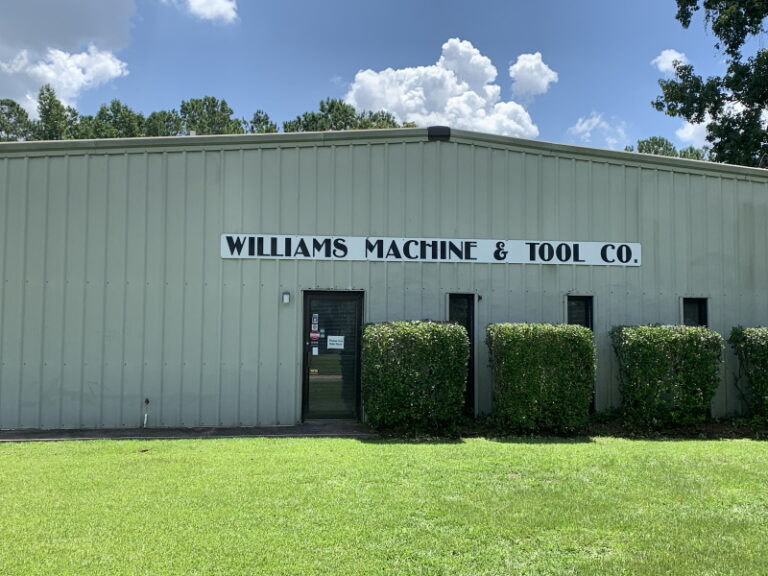
At Williams Machine and Tool, precision is paramount. As usual, they are always listening to their customers and constantly improving to meet quality requirements. They build parts; the accuracy is remarkable. Their dedication shows in every piece. Their industry reputation? It’s built on a commitment woven into every item they make. 

As they embrace new technological advancements, this steadfast focus on innovation ensures each component from Williams Machine outperforms expectations time after time. Williams Machine and Tool: See how new technology is changing precision machining!

Embracing Technological Advances in Precision Machining

In the sphere of precision machining, technological advancements aren’t just enhancements; they’re necessary for progress. Manual techniques once shaped the industry, where skilled machinists crafted metal with impressive accuracy; a true art form that demanded both time and talent. These craftsmen laid the groundwork for what would come next: an era where machines took precision to heightened levels, often beyond human capability.

The leap from manual labor to CNC (Computer Numerical Control) technology signified a major milestone in manufacturing history, catapulting production efficiency skyward while shrinking lead times dramatically. Today’s market demands components that bear the mark of expert craftsmanship coupled with advanced machine intelligence. Visit: parts for Williams machine. These high-precision tools meet aerospace tolerances and withstand pressures in critical medical devices

Innovating with Williams Machine Parts

Transforming the nuts and bolts of an industry isn’t easy, but it’s precisely what Williams Machine Parts is doing. It’s more than part production; they’re redefining what precision means, one machine cycle at a time.

  1. Innovation strategy: Williams Machine nurtures a culture where innovation thrives. Everyone on the team pitches in with suggestions to make things better. Staff meetings often become brainstorming sessions buzzing with new concepts.
  2. Customer collaboration: They work closely with clients to understand specific needs better than ever before. This partnership approach leads to custom solutions that fit like a glove in any machine setup or function requirement; efficiency skyrockets as a result.
  3. Sustainable practices: Environmental responsibility shapes how Williams operates day-to-day processes sustainably without compromising quality or performance standards, proving you can be green and lean at the same time, even on the shop floor.

Williams Tool’s Commitment to Quality Manufacturing

Williams Machine and Tool’s unwavering commitment to quality manufacturing is evident in every product they release. Their Micro-Adjustable Torque Screwdrivers, crafted with precision for the electronics industry, reflect an extraordinary standard of accuracy and reliability. Professionals find comfort in their tools’ repeatability and resilience under tough conditions.

Every inclusion in their comprehensive 555-page catalog serves heavy-duty industries without compromise, promising endurance where lesser tools fail. Williams has evolved from Snap-on Industrial Brands yet remains a steadfast beacon for durable workhorse products that professionals trust daily. Consistent customer satisfaction is a testament to their dedication as they continue offering solutions through user-friendly digital platforms like their responsive website, launched years ago.

You just explored the legacy of Williams Machine and Tool, a brand known for its precise engineering. Their commitment to progress in machine technology isn’t just impressive; it’s vital for industries that rely on absolute accuracy. With decades shaping metalworking standards, they’ve crafted tools that define quality and durability.

Whether you’re an experienced machinist or starting out, remember: with Williams’ precision equipment from Suncoast Precision Tools at your side, every turn of the wrench matters in achieving unparalleled workmanship.

Search Engine Optimization (SEO) has become the backbone of digital visibility—and in a fast-growing market like Pune, getting it right is no longer optional. The most successful businesses in the region aren’t just showing up on Google by accident. They’re following a proven, data-driven strategy to climb rankings, dominate search results, and attract a steady flow of qualified leads.

So, what’s the hidden formula behind top-performing brands leveraging SEO in Pune? Let’s unpack how they use the right tools, services, and partnerships to stay ahead—and how your business can do the same.

Why SEO in Pune Is a Strategic Advantage

Pune is one of India’s fastest-growing urban hubs. It’s home to a diverse mix of tech startups, real estate firms, educational institutions, healthcare providers, and e-commerce players. With digital competition intensifying across all sectors, being visible on search engines isn’t just a marketing move—it’s a survival strategy.

Whether you’re a hyperlocal service provider or a national brand based in the city, investing in SEO services in Pune can:

  • Drive high-intent traffic to your website
  • Boost brand credibility and trust
  • Increase inbound leads and conversions
  • Lower long-term customer acquisition costs

However, there’s a twist: not all SEO tactics are equally effective.

What Top-Ranked Businesses Do Differently

Let’s break down the steps high-performing brands take to dominate the search engine game:

1. Prioritize Local SEO

Local visibility is everything, especially for location-specific searches like “dentist near me” or “best digital agency in Pune.” Top businesses optimize their Google Business Profile, target Pune-specific keywords, and earn citations from local directories to improve their geo-relevance.

By focusing on SEO in Pune, businesses gain higher visibility in “map pack” results and localized search queries—where users are more likely to convert.

2. Choose the Right SEO Partner

Behind every top-ranked business is a strategic collaboration with a capable SEO company Pune. Instead of managing everything in-house, they tap into agencies with proven frameworks, performance tools, and deep industry experience.

A reliable SEO company in Pune doesn’t just offer generic plans. They assess your industry, analyze competitors, identify keyword opportunities, and tailor strategies to meet your goals.

3. Optimize Content Around Intent

Search engines don’t just reward keyword stuffing—they rank based on relevance and user experience. Successful businesses invest in content that aligns with searcher intent. That means creating landing pages, blogs, and service pages that address real queries and offer value.

Structured data, internal linking, visual optimization, and conversion-focused copy all help retain users and boost engagement signals.

4. Go Mobile-First and Speed-Optimized

More than 70% of searches in India are conducted on mobile devices. That’s why top businesses prioritize responsive design, page speed, and Core Web Vitals compliance. Faster, smoother websites mean lower bounce rates and better rankings.

5. Track, Test, and Tweak Consistently

The best-performing websites aren’t static. They’re continuously monitored, tested, and updated. Businesses that treat SEO as a one-time task get left behind. The winners work with their agency to run A/B tests, refine metadata, update content, and analyze user behavior using tools like Google Analytics and Search Console.

The Role of Affordable SEO Packages

A common misunderstanding about SEO is that it comes with a high price tag.a But the truth is that businesses can start small and scale over time. Many agencies now offer affordable SEO packages that include essentials like:

  • Keyword research
  • On-page optimization
  • Technical audits
  • Local SEO
  • Monthly reporting

These SEO packages provide a solid foundation without massive upfront investments. For startups and SMBs in Pune, they can compete with larger players on a level playing field.

When Should You Consider SEO Services in Pune?

If you’re experiencing any of the following, it’s time to act:

  • Your website isn’t ranking on the first page of search results
  • Traffic is stagnant or declining
  • Competitors are outranking you despite offering similar services
  • You’re spending heavily on paid ads with minimal ROI
  • You lack the in-house expertise to execute a full SEO strategy

You can access a team that lives and breathes search algorithms by engaging with a professional SEO company in Pune. They can help you move from invisible to invincible in your niche.

SEO Company in Pune: What to Look For

Not all agencies deliver the same results. When evaluating an SEO company in Pune, consider the following:

  • Proven portfolio and case studies
  • Transparent pricing and deliverables
  • Data-driven strategy, not guesswork
  • Regular performance reporting
  • A clear understanding of your business goals

Most importantly, choose a team that treats SEO as a long-term investment—not a one-time fix.

The businesses topping Google’s search results in Pune aren’t relying on luck—they’re backed by a solid SEO foundation built by professionals. Companies can unlock serious growth through organic search with the right strategy, local targeting, and continuous optimization.

Savit Interactive stands out as a trusted provider of customized SEO services in Pune. It offers data-backed strategies, expert execution, and results that drive business impact. For those seeking an experienced SEO company in Pune with affordable SEO packages, Savit Interactive delivers SEO solutions designed to match every business goal—backed by proven results and long-term value.

Finding a professional roofing service in Columbus that excels in both new installations and repairs is key to maintaining the integrity of your home. The right Columbus roofing company not only protects your property from weather-related damage but also plays a crucial role in enhancing its overall value. Given the significant impact a well-executed roof has on both safety and aesthetics, selecting an experienced contractor becomes paramount.

Factors like local expertise, proper licensing, insurance coverage, plus years of experience should guide this decision. As you consider these elements closely, understanding how to choose the right Columbus roofing company emerges as your first step.

Choosing the Right Columbus Roofing Company

Choosing the right roofing contractor in Columbus is a decision that shouldn’t be taken lightly. Start by looking for local companies with strong reputations, like roof repair services in Columbus. Make sure any company you consider is fully licensed and insured.

Experience speaks volumes, too, so opt for contractors who have been around the block a few times, showcasing successful projects under their belt.

Don’t forget to request proof of specialized training or certifications, this guarantees higher quality materials and workmanship for your roof’s specific needs. Finally, clear communication about costs, timelines, and project scope from start to finish can make all the difference between satisfaction and frustration.

Navigating Roof Repair Services in Columbus

Navigating roof repair in Columbus can be a tricky endeavor, especially if you’re thinking about going the DIY route. Common issues such as incorrect material selection and overlooking underlying problems add unnecessary complexity.

  1. Inadequate Material Selection: Choosing wrong materials or methods might lower your repair’s quality and durability. Plus, it may not match well with what’s already up there on your roof.
  2. Safety Concerns: The risk of falling isn’t worth it, nor is dealing with potential hazards like electric wires. Pros have the right gear and know-how to avoid accidents.
  3. Potential Complications: Miss an underlying issue or mess up the fix? You might end up paying more than you thought. That small leak could turn into a big problem fast.

Opting for professionals means tapping into their expertise and experience, which guarantees that your repairs are done correctly, safeguarding both your home’s integrity and its value over time. 

Maximizing Home Value with Professional Roofing

When you opt for professional roofing, consider this: it not only updates your home’s look but significantly cuts down on heating and cooling costs. These savings stem from enhanced insulation that a top-notch new roof provides. Let’s talk numbers, installing an asphalt shingle roof could bump up your home’s market value by about $17,000, according to recent studies.

That means recouping roughly 60% of your investment straight away if you’re pondering a sale soon after the upgrade. Now, before diving into such an endeavor, balance out your budget against expected benefits and align everything with local building codes to avoid any hitches later on. And don’t forget choosing experts like Ratliff Contracting ensures quality work that sidesteps frequent repairs saving money in the long run.

Choosing professional roofing services in Columbus means opting for durability, quality, and peace of mind. Ratliff Contracting stands out as a trusted provider with years of experience, ensuring homes are safe and well-protected against harsh weather. Their skilled team uses top-notch materials coupled with expert craftsmanship to deliver outstanding results every time.

With a commitment to customer satisfaction and solid warranties, they ensure your investment is secure. Make the wise choice; trust Ratliff Contracting for reliable, high-quality roofing solutions that stand the test of time in Columbus.


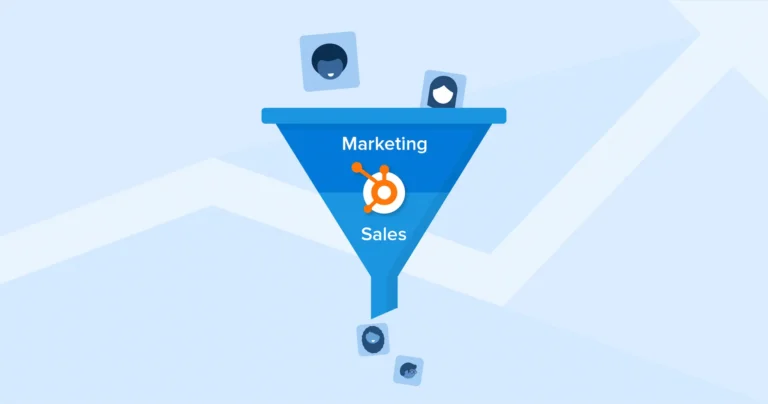
HubSpot training equips marketing teams with the knowledge and tools needed to leverage HubSpot’s full potential across its CRM, automation, content management, and analytics features. This training covers everything from contact segmentation and email workflows to landing page optimization and campaign tracking. With structured learning, teams develop the technical ability and strategic mindset to launch effective, data-driven marketing initiatives that produce measurable outcomes.

Building a Performance-Driven Marketing Team

Marketing teams that go through comprehensive HubSpot training gain clarity on campaign setup, audience targeting, and lifecycle automation. Members understand how to manage and score leads, personalize outreach, and trigger automated responses based on real-time engagement. Every task, from setting up a lead capture form to crafting follow-up sequences, becomes streamlined. The result is a more aligned, efficient team capable of producing results consistently.

Improved Workflow Automation for Better Efficiency

Through HubSpot training, teams learn to build workflows that automate repetitive tasks like lead nurturing, internal notifications, and customer follow-ups. Instead of manually responding to every lead or tracking engagement by hand, marketing teams set up logic-driven automation that keeps contacts moving through the funnel without delay. This leads to quicker response times, fewer dropped leads, and greater internal efficiency.

Campaign Execution at a Higher Level

Training sharpens campaign strategy and execution. Marketers learn to build and monitor A/B tests, optimize CTAs, and segment lists based on behavior. With HubSpot training, they become proficient in using campaign tools to track ROI, map out buyer journeys, and align content with customer needs. By developing these skills, teams can execute campaigns that deliver real growth instead of just impressions.

Data Mastery for Smarter Marketing Decisions

Data analysis becomes a core strength after solid HubSpot training. Teams get familiar with dashboards, reports, and attribution tools that expose what’s working and what’s not. They learn how to identify underperforming assets, uncover new opportunities, and make decisions backed by real-time insights. With better reporting, teams move beyond assumptions and adopt a data-driven approach that improves results over time.

Sales and Marketing Alignment Through Shared Tools

HubSpot training encourages collaboration between marketing and sales by teaching teams how to use shared pipelines, lead scoring models, and lifecycle stages. Marketers learn to qualify leads better before handing them to sales, reducing friction and improving close rates. By using HubSpot as a central platform, both departments work off the same data, ensuring that handoffs are smooth and objectives are aligned.

Content Optimization That Converts

Training teaches marketing teams how to develop and optimize content using HubSpot’s SEO and blog tools. They learn how to plan topic clusters, target relevant keywords, and analyze search performance. Using tools like the content strategy planner and the SEO audit feature, teams improve organic visibility and drive more qualified traffic. Content becomes more than just filler—it becomes a growth driver.

Email Marketing That Actually Performs

Marketers who complete HubSpot training master the platform’s email builder, segmentation tools, and performance metrics. They learn to create dynamic content, schedule emails based on engagement triggers, and analyze open and click-through rates to improve future campaigns. With the right training, emails become personal, timely, and effective at moving leads toward a sale.

Customer Journey Mapping with Full-Funnel Visibility

HubSpot training gives marketing teams a full-funnel view of the customer journey. From awareness to conversion, every interaction is mapped and measured. Teams learn how to build workflows that reflect real buying behavior and ensure the right message reaches the right contact at the right time. This full-funnel strategy helps nurture prospects more effectively and boosts overall conversion rates.

What to Remember When Implementing HubSpot Training

The best HubSpot training programs are tailored to your team’s roles, skill levels, and goals. Custom training ensures everyone—from junior marketers to department leads—learns what’s relevant to their responsibilities. Start by identifying gaps in knowledge and focusing the training sessions accordingly to avoid overwhelming your team with unnecessary features.

Training should also be ongoing. HubSpot frequently updates its platform, so marketing teams must stay current with new features, tools, and best practices. Encourage regular refreshers, certifications, and real-world application of skills to embed knowledge deeply. This commitment to continuous learning ensures your team never falls behind or misuses the platform.

Leadership support is essential. Teams need time, resources, and encouragement to complete training and apply what they’ve learned. When managers promote a culture of growth and provide access to guided training, teams respond with higher engagement and better results. Investing in proper training builds a team that’s equipped, confident, and capable of delivering consistent marketing performance.

Final Thoughts

HubSpot training transforms marketing teams into high-performing units that execute with precision, automate effectively, and make smarter decisions using data. From lead generation and campaign optimization to customer engagement and CRM alignment, trained teams can deliver consistent, measurable results. With structured training, ongoing support, and platform mastery, businesses position themselves to grow faster and more efficiently—turning HubSpot from a tool into a powerful engine for marketing success.

Navigating a workplace injury can be overwhelming, especially when we’re unsure of our rights or the steps to take. A workers compensation attorney helps us secure the benefits and support we’re entitled to after an on-the-job injury. Their knowledge of workers’ comp laws can make the process clearer and smoother during a stressful time.

We often assume our employer or insurance company will handle everything, but missed details or denied claims are common. Having an attorney on our side levels the playing field and ensures our interests are protected. Whether we’re facing medical bills, lost wages, or long recovery times, understanding how these attorneys work for us is critical.

Understanding Workers Compensation Attorneys

Workers’ compensation attorneys guide us through the legal processes involved in workplace injury claims. Our choice of lawyer and understanding of their role can determine the success and efficiency of our case.

What Is a Workers Compensation Attorney

A workers’ compensation attorney is a legal professional who focuses exclusively on the nuances of workers’ compensation law. This area of law addresses injuries or illnesses we might sustain while on the job.

We may confuse a workers’ compensation lawyer with a personal injury lawyer, but the two handle different types of cases and compensation systems. Workers’ compensation attorneys represent our interests if we’re hurt at work, ensuring our rights are protected under all relevant statutes.

Most often, these attorneys offer a free initial consultation or a free consultation. This gives us the chance to discuss our potential claim without immediate costs, so we can understand our options early on.

Role in the Workers’ Compensation Claim Process

An experienced workers’ compensation attorney manages the legal aspects of filing a workers’ compensation claim. This includes gathering evidence, submitting paperwork, meeting deadlines, and advocating for us in disputes or hearings.

If our claim is denied, the workers’ compensation lawyer can help us appeal the decision and build a stronger case. They can also negotiate with insurance companies to ensure that any settlement fairly compensates us for medical bills, lost wages, and rehabilitation costs.

Attorneys in this field often communicate directly with employers, physicians, and insurers. Their goal is to reduce our stress and increase the chance of a positive outcome, so we can focus on recovery rather than paperwork.

Choosing an Experienced Workers’ Compensation Attorney

Not all workers’ compensation attorneys have the same level of experience or skills. We should look for someone with a proven background in workers’ compensation law and specific experience handling cases like ours.

Key factors to consider include:

  • Years of practice in workers’ compensation cases
  • Track record of successful claims and appeals
  • Willingness to offer a free consultation or free initial consultation

We may also want to check online ratings and ask about the attorney’s communication style. Selecting the right workers’ compensation attorney can be crucial for a fair and timely resolution of our claim.

Navigating Workers’ Compensation Claims and Benefits

Workers’ compensation can be a complex process, especially when it comes to understanding eligibility, recognizing claimable injuries, obtaining necessary treatment, and dealing with insurance companies. Addressing each step thoroughly helps ensure we receive the benefits and protections we deserve if we’re hurt or become ill due to work.

Eligibility for Workers’ Compensation Benefits

We must meet specific criteria to qualify for workers’ compensation benefits. Generally, we need to be classified as employees—independent contractors often do not qualify. It’s essential to report our injury or illness to our employer as soon as possible. Many states set strict timeframes, sometimes just a few days, to file a report.

Compensable injuries must arise “in the course and scope of employment.” Coverage includes both accidents and work-related illnesses caused by workplace exposure. Pre-existing conditions can also be covered if work aggravated them. However, if an injury occurs while intoxicated or violating company policy, benefits may be denied.

Some benefits available to injured employees include medical care, temporary or permanent disability payments, and death benefits for surviving family members if a workplace injury leads to wrongful death.

Common Types of Work-Related Injuries and Illnesses

Work-related injuries vary greatly, from sudden accidents to long-term illnesses. We often see claims for fractures, sprains, repetitive strain injuries like carpal tunnel syndrome, and back or neck problems from lifting or repetitive motions.

Work-related illnesses are also common, such as respiratory conditions from toxic exposure, hearing loss, or occupational diseases caused by chemicals or other hazardous materials. Mental health conditions like work-induced stress or PTSD may be covered, but these can be harder to prove and are not recognized in every jurisdiction.

In serious injuries that lead to permanent disability, workers’ compensation benefits help cover ongoing medical expenses and lost wages. If the injury is fatal, surviving dependents can claim death benefits or funeral expenses.

Securing Medical Treatment and Disability Benefits

Accessing the right medical treatment quickly is vital after a workplace injury. We may need to select a provider approved by our employer’s workers’ compensation insurance. All necessary medical bills, medications, hospital visits, and rehabilitation should be covered without any out-of-pocket costs.

Prompt documentation of all medical visits helps support our workers’ compensation claim. If our doctor restricts our ability to work, we may be eligible for disability benefits. These payments help replace lost wages during our recovery, whether the disability is temporary or permanent. The exact amount and duration of our benefits depend on the severity of our injury and state law.

For ongoing or permanent conditions, we may need to undergo evaluations to establish the extent of loss of function and long-term needs. This process determines compensation for permanent disability.

Appeals and Dealing with Insurance Companies

Unfortunately, insurance companies sometimes deny or delay valid workers’ compensation claims. Common reasons include disputes about whether the injury was work-related, missing documentation, or pre-existing conditions.

If our claim is denied, we have the right to appeal. This usually involves gathering more medical records, providing witness statements, or attending hearings before a workers’ compensation board. We must meet strict deadlines for appeals, which can vary by state.

Communication with the insurance company should be documented carefully. It is often helpful to keep copies of all correspondence, medical reports, and records of lost wages. If the process becomes complex or contentious, consulting a workers’ compensation attorney can provide critical support in negotiating fair benefits or pursuing further appeals.