
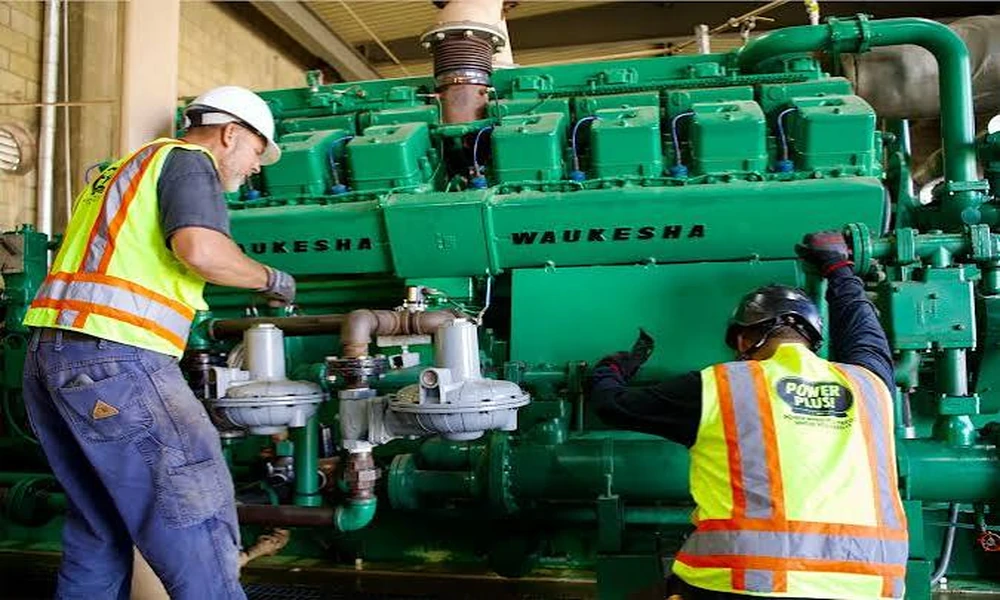
Facility managers have a hard job. They must keep everything working all the time. This is true even when power from the grid is not steady. A short power stop can cost a lot of money. It might harm important machines. It can also risk key safety steps. Taking care of commercial generators is the main way to stop these big problems. Regular checks, tests, and care are helpful to make sure backup power starts as soon as the lights turn off. Keeping things in good shape needs a clear plan for power, how things work, and checking tools again and again.
Core Pillars of Commercial Backup Power Maintenance
Today’s emergency power systems use many detailed machines and electrical parts that need to work together quickly and well. The engine pieces, fuel pipes, wires, and switches all need to do their jobs as soon as the main power goes out. Services offered by tripletpower.com help ensure these components are maintained properly, because if you do not keep up with any of these things, you put the whole system at risk.
Fluid and Filtration Oversight
Internal combustion engines need clean fluids to run well. This is true when there are sudden or heavy jobs. Over time, engine oil breaks down. It loses its thickness and does not do a good job to protect the parts. You need to change oil and filters after some time or after using them a lot. You also should keep an eye on the coolant system. Old fluid in it can lead to rusty parts inside the engine block. The engine can get too hot if the fluid is old, especially when the engine runs for a long time.
Fuel Quality and Storage Management
Fuel breaking down is one big reason why emergency power might not work. The fuel takes in water from the air when it sits still. This lets tiny bugs grow and makes sludge and changes in the fuel. The sludge can move into parts of the fuel system and block them. The engine might stop at the worst time. To keep fuel good, take samples often, use chemicals, and clean the fuel once in a while. This will help clear out anything that should not be in the fuel.
Battery and Electrical System Care
Most problems with starting emergency power come from batteries not working right. A layer called sulfation builds up on the plates over time. This makes it hard to get power. You need to know the voltage with the battery running. Clean the spots where wires join. Change old batteries before they get weak. You should also look at the wires and panels. Make sure there is no harm or issues caused by movement or use. Trouble here can stop power from flowing.
Actionable Strategies for System Readiness
To keep things working well in other power setups, you need to do more than fix things when they stop working. You should have a clear and regular plan for taking care of the machines. This helps stop problems before they happen.
Establishing a Multi-Tiered Inspection Schedule
When we do regular work to keep things running well, every part gets the care it needs, at the right time. This helps all parts to work in a good way and last longer.
- Weekly Checks: Look at the fluid levels, battery links, lights on the panel, and switch positions. Make sure the unit is set so it can work by itself.
- Monthly Evaluations: Start the power system without any load to make sure it comes on the right way, watch the way the gauges move, and listen for any odd sound from the engine. Check for small leaks with the fluids or from the exhaust.
- Quarterly and Semi-Annual Audits: Check the belts, hoses, drive parts, and intake areas. Take oil, coolant, and fuel samples for lab checks.
- Annual Servicing: Replace all the filters, spark plugs or fuel injectors, and fluids. Get the system ready and do the steps to test the electric safety.
Validating Performance Through Load Testing
Running an engine with little electrical work can cause “wet stacking.” This happens when fuel that is not burned collects in the system that lets out gas because the engine does not get hot. A full capacity test connects the power unit to a fake electrical use. This helps the engine get hot and build the right push inside. It burns away extra carbon while doing this. The test shows the cooling works well. It also checks if the unit can give all the electrical power during a power stop.
Integrating Automated Monitoring Technology
Many new places now use remote telemetry systems to keep an eye on backup power units all the time. These sensors check oil pressure, coolant temperature, voltage, and fuel levels. They send alerts fast to teams if anything goes out of the safe range. This early warning helps teams find and fix small problems before the whole system stops during a power loss.
Common Pitfalls and Long-Term Success Considerations
Even if you spend good money on care, things can still go wrong if you miss some regular steps. Not making these mistakes helps keep your money safe. It also makes sure things work well all the time.
Overlooking Automated Transfer Switches (ATS)
A working engine is not enough if the transfer switch does not send out the start signal or shift the electrical load. The switch has parts inside that move and touch. These parts can get worn out by sparks and moving over and over again. Doing regular heat checks and looking at the switch, can help make sure power changes from the main source to backup sources with no problem.
Ignoring Environmental and Operational Standards
Extreme heat, moisture, dust, and air by the coast change how long the equipment lasts. You need to check the boxes for rust, if pests can get in, and if air flows without getting blocked. Louvers and dampers must move smooth so the equipment gets good air while working. Also, keep all records of the work done, fluid checks, and test numbers. It shows how the equipment is working and that you stay with the rules.
Balancing Professional Expertise and Internal Oversight
While staff at the site can do easy checks and weekly tests, a full checkup needs people who know much more. Jobs like using special tools, following safety rules for high power, and doing big engine fixes should go to skilled workers. Teaming up with all-around power experts at tripletpower.com helps you get the right tools, good parts, and fast help when there are big power issues in the area.
Maximizing Infrastructure Reliability
Uninterrupted power needs good planning and regular checks. You need to see backup power gear as a key part of the system. This helps keep your place safe from surprise stop times, big fixes, and problems while things run. Doing careful checks, tests with all loads, and using new tools for tracking makes your work spaces strong, safe, and able to help when there is a grid stop.

Comments are closed.