
Key Takeaways
- Real-time data collection allows managers to identify energy waste immediately.
- Automated controls reduce the need for manual oversight and human error.
- Integrating a central system helps lower operational costs and extends equipment life.
- Improved visibility into power usage supports long-term sustainability goals.
Introduction
Have you ever looked at your monthly utility bill and wondered where all the money actually went? In a large industrial setting, that feeling is magnified a thousand times. Managing power usage across a massive facility is often like trying to find a needle in a haystack. This is where a modern energy monitoring and control system steps in to save the day. It is not just about keeping the lights on; it is about knowing exactly how much juice every single machine is pulling at any given second. Many businesses still rely on old-school manual readings or, worse, wait for the bill to arrive before making changes. Honestly, that is a recipe for wasted capital. By adopting a smarter approach, companies can gain a clear view of their consumption patterns and start making decisions based on hard facts rather than gut feelings or outdated estimates.Seeing the Invisible Through Better Data
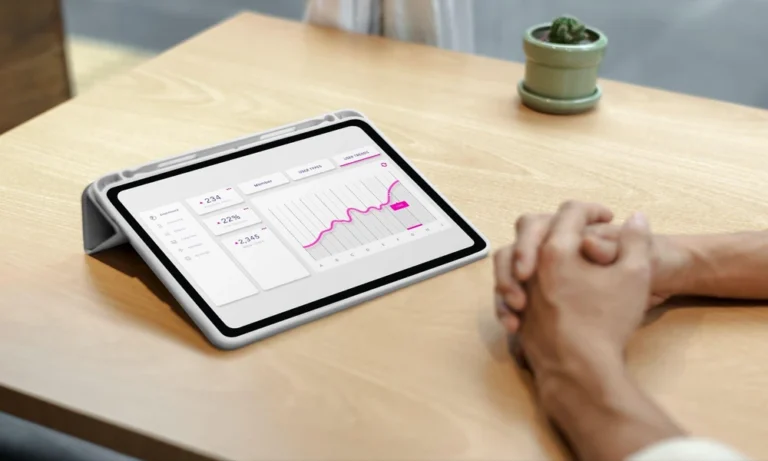
The first step toward efficiency is visibility. You cannot manage what you cannot see, right? An energy management system provides a crystal-clear window into the electrical pulse of your building. Think of it as a fitness tracker for your factory. It gathers data from sensors and meters, showing you where the peaks and valleys occur. Sometimes, a specific piece of machinery might be drawing way more power than it should because a bearing is worn out or a filter is clogged. Without a dedicated energy monitoring and control system, that extra cost just blends into the background. When you have real-time alerts, your maintenance team can jump on the issue before it turns into an expensive breakdown. It is about moving away from reactive fixes and toward a more intelligent way of working. This level of transparency changes the way everyone, from the shop floor to the boardroom, thinks about resources.The Power of Automated Control
Data is great, but it only gets you halfway there. The real magic happens when you let the system take over the heavy lifting through automation. Why should a human have to walk around turning off air conditioning units or dimming lights in empty zones? A robust energy management system handles these tasks automatically. You can set schedules, define thresholds, and let the software balance the load. This is especially useful during peak demand periods when electricity prices might spike. The system can temporarily throttle back non-essential processes to keep costs down. It is like having a watchful eye that never gets tired or distracted. Automation reduces the mental load on your staff, allowing them to focus on high-value tasks instead of worrying about light switches. It creates a rhythm of efficiency that becomes part of the daily routine without anyone having to think twice about it.Improving Equipment Longevity
We often forget that erratic power usage is hard on hardware. Motors, pumps, and fans last much longer when they run under stable, optimised conditions. An energy monitoring and control system helps identify “dirty power” issues like voltage sags or harmonic distortions that can fry sensitive electronics over time. By smoothing out these inconsistencies, you are essentially protecting your investment. It is a bit like driving a car; if you are constantly slamming on the brakes and flooring the accelerator, the engine will wear out fast. A steady, controlled flow of energy ensures your equipment stays in top shape for years. This leads to fewer emergency repairs and a much more predictable maintenance budget. When your machines run better, your entire production line runs smoother, and that is a win for everyone involved.Sustainability and the Bottom Line
Let’s talk about the bigger picture for a moment. Everyone is under pressure to be “greener” these days, but it has to make financial sense, too. Reducing your carbon footprint is a fantastic goal, and fortunately, it usually goes hand-in-hand with saving money. When you use less power, you emit less carbon. It is that simple. Using an energy management system makes it easy to report on your progress. Whether you are trying to meet government regulations or just want to show your customers that you care about the planet, having accurate data is vital. It turns sustainability from a vague concept into a measurable metric. Plus, customers increasingly prefer to do business with companies that take their environmental responsibilities seriously. It is a smart move for your reputation and your wallet.Conclusion
Transitioning to a more sophisticated way of handling power is no longer a luxury for the few; it is a necessity for any business that wants to stay competitive. By combining a high-quality energy management system with an automated energy monitoring and control system, you create a foundation for lasting success. You save money, protect your gear, and do your bit for the environment all at once. It is about taking control of your resources and ensuring that every kilowatt-hour is put to good use. The transition might seem like a big step, but the clarity and savings you gain are well worth the effort.
Ready to streamline your operations and cut down on waste? Contact YT Automation today to find the right solutions for your facility.