
Questions Worth Considering Before You Give
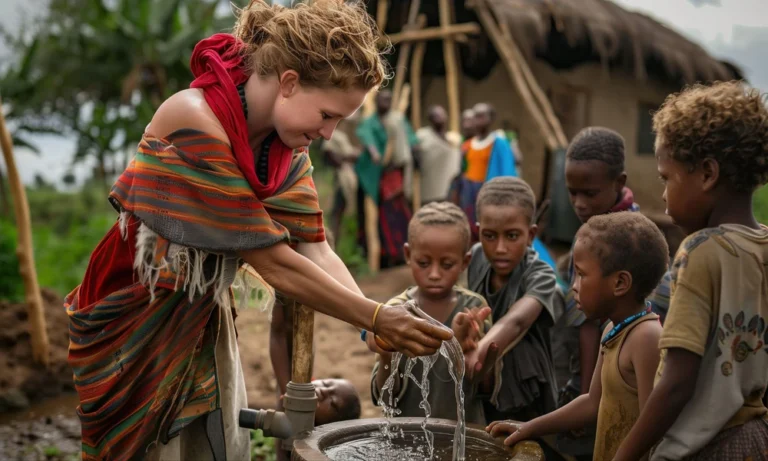
Access to safe water affects far more than whether a household can drink safely. Families may rely on available water for cooking, washing and sanitation, while children can face additional difficulties when reliable sources remain out of reach.
For donors deciding where to direct their support, understanding how a clean water charity approaches these challenges can provide useful context. Looking beyond the immediate appeal can help you assess the needs addressed, the communities involved and the wider outcomes associated with improved water access.
1. What Water Problem Does the Organisation Address?
Start by understanding the specific problem behind the programme. Some communities may lack reliable water sources, while others may face challenges involving sanitation, water quality or the distance families must travel to collect water.
A clear explanation of the issue can help you understand why a particular intervention matters. It can also provide context for how funding supports activities within a wider community programme.
Look for information about the communities served and the conditions that make improved water access necessary.
2. How Could Better Water Access Affect Children?
Children can experience the effects of inadequate water access in several areas of daily life. Difficulties obtaining safe water can affect hygiene, health and the time available for school or other activities.
When considering a children’s donation, look at how water initiatives connect with children’s wider circumstances rather than treating water access as an isolated issue.
Questions to Ask
Before supporting a clean water initiative, consider asking:
- Which communities does the programme serve?
- What specific water or sanitation challenges does it address?
- How does the work affect children and families?
- How does the organisation involve local communities?
- How does it monitor the progress of its programmes?
- What information does it provide about how donations support its work?
3. Does the Programme Involve the Local Community?
Water infrastructure needs to function after an initial project has ended. Community involvement can therefore form an important part of how programmes approach water access.
Consider whether the organisation describes local participation, training or community decision-making. Understanding this approach can help you assess how the programme addresses practical needs beyond providing equipment or infrastructure.
The local context also matters because water challenges can differ significantly between communities.
4. Does the Work Address More Than Water Access?
Clean water can connect with sanitation, hygiene, education and household wellbeing. A programme may therefore approach water access alongside other needs rather than treating it as a standalone issue.
Look at how the organisation describes these connections. A broader approach can provide useful insight into how improved water access fits within children’s and families’ everyday lives.
This context can help donors understand what their support seeks to address and why water-related work may have effects across several aspects of community wellbeing.
5. How Does the Organisation Measure Its Work?
Donors may want to understand how an organisation assesses whether its programmes achieve their intended aims. Look for information about monitoring, reporting and how programmes track progress.
The type of information available will vary depending on the project. Some programmes may report on access to water, sanitation facilities, hygiene practices or other relevant outcomes.
Clear reporting can help you understand how an organisation evaluates its work and communicates progress to supporters.
6. Does the Organisation Explain How Donations Support Its Programmes?
Before giving, consider how clearly the organisation describes the role of donations. You may want to understand whether contributions support specific programmes, wider operations or a combination of activities.
No single funding model applies to every charitable organisation, so focus on transparency about how resources support its work.
Understanding the donation process can help you make a giving decision based on the information available rather than assumptions about where every contribution goes.
Look Beyond the Immediate Appeal
Supporting a clean water charity can involve more than responding to the visible need for safe drinking water. Water access can intersect with children’s health, hygiene, education and the daily responsibilities faced by families.
Before making a donation, consider the problem being addressed, the programme’s community approach, the outcomes it monitors and the information it provides to supporters. These questions can help you decide whether an organisation’s work aligns with the causes you want your giving to support.
Contact World Vision International Singapore to ask about its clean water programmes and how your children’s donation can support initiatives focused on water access and child wellbeing.