
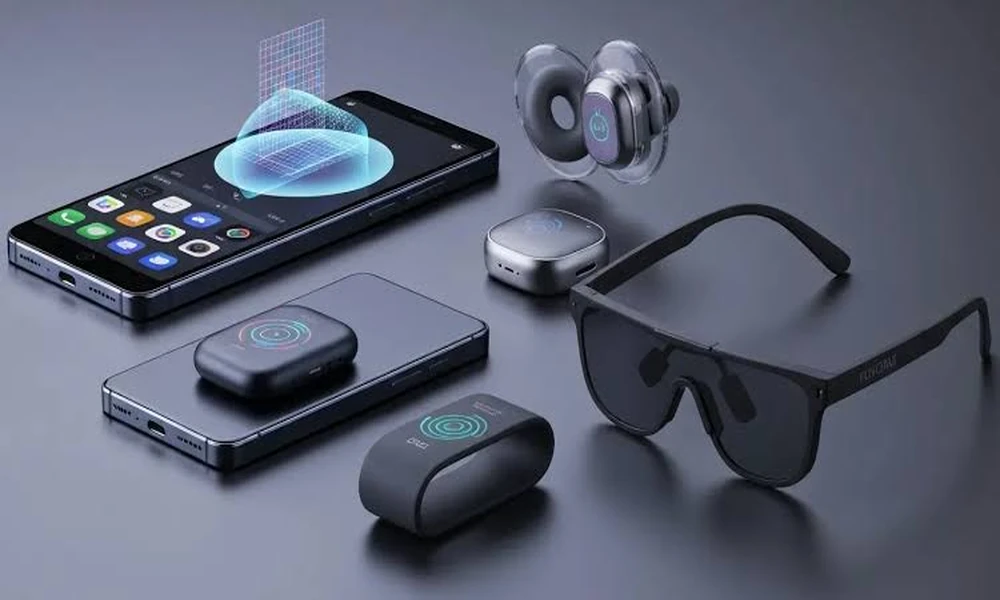
Swapping out a basic speaker for a smart one or upgrading to the latest headphones is tempting, but navigating the world of smart devices and audio equipment is trickier than it appears. Too often, buyers fall prey to persistent myths that muddy the waters when it comes to making the right choice.
Myth 1: More Features Always Mean a Better Smart Device
The tech industry thrives on packing products with an ever-growing list of functions. Yet, feature overload often turns into frustration rather than convenience. Cramming a device with voice assistants, customizable lighting, fitness tracking, and more can lead to confusing menus and a steeper learning curve. Instead, consider whether you will genuinely use a feature in your daily routine. Smart home gadgets with one-touch timers or simple automation are often more valuable than multifunctional hubs that demand constant attention.
When evaluating features, look for those that solve a real problem or elevate your experience. Water resistance, reliable connectivity, and straightforward app controls generally outshine a laundry list of extras. In fact, some case studies show that simpler devices boast higher user satisfaction, as they are quicker to set up and maintain. Overcomplicating your smart setup rarely pays off.
Myth 2: Brand Name Guarantees Superior Audio Quality
It is easy to assume the most recognized brand in audio equipment will deliver the best sound. However, audio quality depends on much more than just a logo. Take time to read the product’s frequency response, driver size, and total harmonic distortion specs. These numbers reveal more about sound clarity and depth than a brand name ever could.
Side-by-side listening tests between lesser-known brands and premium manufacturers sometimes yield surprising results, with affordable or emerging brands matching or even outperforming the household names. User reviews are gold, especially those that cut through marketing jargon to share real-world experiences. Trust the collective wisdom, not just the hype.
Myth 3: Wireless Is Always Better Than Wired
Wireless technology promises freedom and convenience, but it is not always the best choice for everyone. Wireless devices excel in portability and ease of use, allowing you to move around untethered. However, they can suffer from latency or signal dropouts, particularly in crowded environments or when multiple devices compete for bandwidth.
In settings where sound quality and stability are paramount, such as home studios or high-fidelity home theater systems, wired connections can still deliver superior performance. Wired audio equipment tends to offer lower latency and more reliable connections, with no need for battery charging. Your choice should reflect your environment and needs, balancing mobility with performance.
Myth 4: Higher Price Equals Higher Quality
Price tags can be deceptive. While it is true that top-tier smart devices and audio equipment are engineered with premium materials and cutting-edge tech, the law of diminishing returns kicks in quickly. Often, mid-range devices deliver 90 percent of the performance at a fraction of the cost of flagship models.
Factors like brand reputation, design choices, and bundled extras all contribute to price but do not always guarantee better performance. Some budget-friendly devices outperform more expensive ones in battery life, sound clarity, or smart integration. Before buying, identify which features are non-negotiable for you, then shop accordingly. Smart spending means prioritizing genuine performance over a badge of luxury.
Myth 5: All Smart Devices Are Compatible with Each Other
The dream of a seamless, interconnected smart home is often dashed by incompatibilities. Brands frequently lock users into proprietary ecosystems, limiting cross-brand integration. For example, a smart speaker might not support your favorite streaming service or your thermostat may only play nicely with select hubs.
To avoid frustration, check for key compatibility features such as support for common protocols (like Bluetooth, Wi-Fi, or Zigbee) and platforms (Google Home, Amazon Alexa, Apple HomeKit). When in doubt, resources like GSM Depot electronics can help verify whether your shortlisted devices will communicate effectively and future-proof your smart home setup.
Myth 6: Battery Life Claims Are Always Reliable
Battery life figures on spec sheets often reflect ideal lab conditions, not the reality of daily use. Real-world battery performance can be affected by everything from Wi-Fi signal strength to how often you use certain features. To accurately gauge longevity, test devices under typical conditions or consult user forums for honest feedback.
You can also extend battery life by keeping firmware updated, optimizing power settings, and avoiding extreme temperatures. Over time, these habits help your devices deliver closer to their advertised lifespan.
Myth 7: Bigger Speakers Always Mean Better Sound
Sheer size does not always translate to better audio quality. The relationship between a speaker’s dimensions and sound output is nuanced. Larger speakers can produce deeper bass and fill larger spaces more effectively. However, design elements like driver quality, enclosure construction, and tuning have a significant impact.
In smaller rooms or for personal listening, compact speakers with well-engineered components often provide clearer, more balanced sound than their oversized counterparts. Consider your space, listening habits, and the type of audio you enjoy before committing to a particular size.
Choosing the right smart devices and audio gear is about cutting through the noise. Focus on what matters to you, scrutinize the specs that count, and do not let myths guide your decisions. Smart shopping means making technology work for your lifestyle, not the other way around.

Comments are closed.