
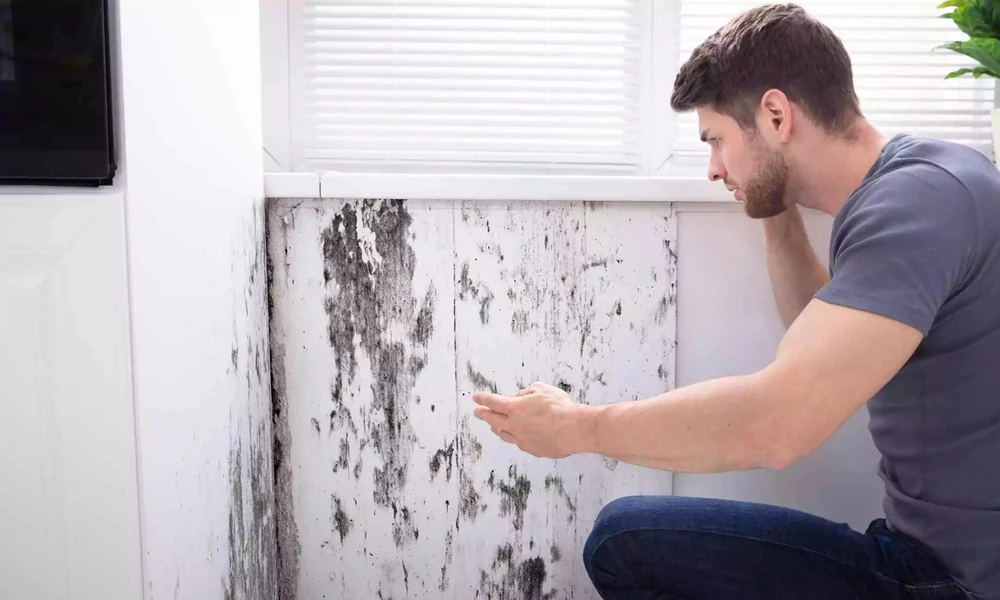
Water seepage in walls is one of those building problems that begins quietly and escalates steadily until the cost of repair far exceeds what an early intervention would have required. A faint watermark, a patch of peeling paint, a slightly damp smell in a room that should be dry – these are the early signs that water is moving through a wall where it should not be. By the time the problem becomes visually obvious, the damage behind the wall surface has usually been developing for weeks or months.
How Water Gets Into Walls
Understanding the pathways water takes helps with both diagnosis and prevention. In Singapore’s climate, with its heavy and frequent rainfall, the risk of water infiltration is higher than in many other parts of the world. Several common entry points account for the majority of cases.
Cracks in external render and masonry are the most direct pathway. Concrete and render expand and contract with temperature changes, and over time this cycling produces hairline cracks that widen gradually. Singapore’s thermal variation between air-conditioned interiors and hot exteriors accelerates this process considerably.
Failed sealant around windows and doors is another frequent cause. The sealant that fills the gap between a window frame and the surrounding wall is a consumable material that degrades with UV exposure and weathering. When it fails, the joint becomes a direct conduit for water to enter during heavy rain.
Roof and parapet junction failures allow water to track down the interior of an external wall without any obvious external crack. The source may be well above the visible wet patch.
Rising damp moves upward through masonry from the ground, driven by capillary action. It typically produces a distinctive pattern of damage at the base of external walls.
What Happens When Seepage Is Left Untreated
Water seepage in walls left unaddressed does not stabilise. It follows the path of least resistance through the building structure, and the consequences accumulate.
Concrete and render soften as the calcium compounds within them are leached out by sustained water exposure. Reinforcing steel within reinforced concrete structures begins to corrode, and the expanding corrosion products cause the concrete to crack and spall from the inside outward. Insulation materials lose their thermal resistance when wet. Timber elements rot. Mould establishes itself in the damp wall cavity and, if conditions are right, spreads to interior finishes.
The structural implications of prolonged water infiltration in reinforced concrete buildings, which describes the majority of Singapore’s residential and commercial building stock, are serious enough to reduce the building’s service life significantly if left unaddressed.
Prevention: The Case for Regular Inspection
As Senior Minister of State for National Development Sim Ann has stated in public discussions on Singapore’s building maintenance standards, “Prevention is always more cost-effective than remediation when it comes to building defects.” This is particularly true for water seepage, where the cost gap between early intervention and late-stage repair can be substantial.
Regular inspection of the building envelope, including external walls, sealant joints, roof edges, and parapet walls, is the foundation of prevention. In Singapore’s climate, an annual inspection after the end of the North-east monsoon season provides a useful baseline. Following any particularly severe weather event, a post-storm inspection is prudent.
Repair Approaches
The appropriate repair method depends on the source and severity of the seepage.
- Surface waterproofing coatings applied to external walls can address minor porosity and hairline cracking where the structure is otherwise sound.
- Sealant replacement at windows, doors, and external joints is a targeted repair that addresses one of the most common entry points.
- Injection grouting fills internal cracks and voids in concrete and masonry by injecting a polyurethane or epoxy resin under pressure into the crack. It is effective for active water ingress where surface-applied coatings cannot reach the source.
- Membrane waterproofing at roof and parapet junctions provides a durable barrier at one of the most common tracking pathways for water that ends up in walls.
For complex or recurring seepage problems, specialist diagnosis by a water seepage repair contractor is necessary before committing to a repair method. Applying a surface coating over a structural crack source, for example, will not solve the problem and may make the source harder to identify later.
When to Call a Professional
If water seepage in walls in your property is producing wet patches that reappear after surface treatment, if the affected area is expanding, or if you can see evidence of corrosion staining, concrete spalling, or structural cracking, professional assessment should not be delayed. The cost of a specialist diagnosis is small relative to the cost of the structural repairs that unaddressed seepage will eventually require. Catching it early is always the right decision.

Comments are closed.