
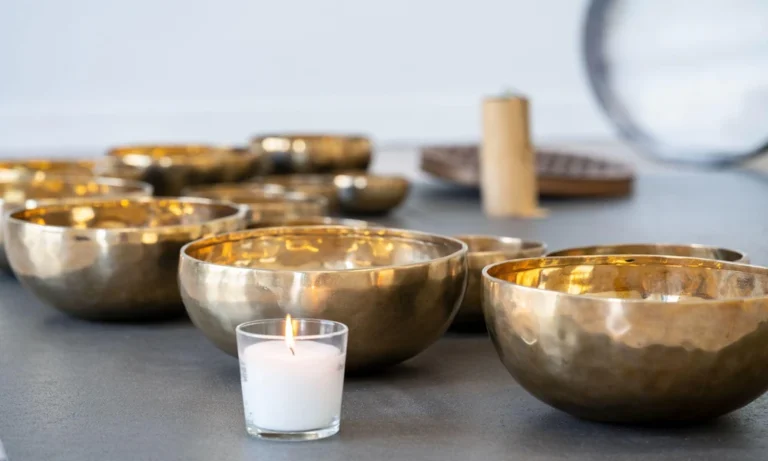
Walking into a Vajrayana temple for the first time can feel like entering a world full of colour and meaning. Rows of small bowls sit before the shrine, butter lamps flicker beside images of buddhas and bodhisattvas, and devotees present white scarves, flowers and food. Each of these offerings carries symbolic significance rooted in the teachings and practices of Vajrayana in Buddhism, where outer acts are closely linked to inner cultivation. Understanding what these offerings represent can help visitors appreciate what they see and take part respectfully.
The Purpose Behind Making Offerings
Offerings in Vajrayana practice are not gifts made to satisfy a deity’s needs. Instead, they are a way of cultivating generosity, reducing attachment and expressing respect for the Buddha, the teachings and the community of practitioners. The value lies less in the object itself and more in the intention of the person offering it. Even a simple glass of clean water, offered sincerely, is considered meaningful.
The Traditional Offering Bowls
One of the most recognisable features of a Vajrayana shrine is a row of seven or eight small bowls, refilled and arranged with care, often each morning. Although interpretations can vary between lineages and teachers, the bowls commonly represent the following:
- Drinking water, symbolising a welcoming offering made with a pure, unattached mind.
- Washing water, representing purification of negative actions and habits.
- Flowers, reflecting the beauty of virtuous qualities and a reminder of impermanence.
- Incense, symbolising ethical discipline, whose good influence spreads like fragrance.
- Light, representing wisdom that dispels the darkness of ignorance.
- Scented water or perfume, symbolising faith and the refreshing effect of practice.
- Food, representing the nourishment of meditative concentration.
- Music, often symbolised by a conch shell or small instrument, representing the sound of the teachings reaching all beings.
Some temples fill all bowls with water as a symbolic representation of these offerings, while others place actual flowers, incense or food in the relevant positions.
Other Offerings Visitors May Notice
Beyond the bowls, visitors to a Vajrayana temple in Singapore may encounter several other forms of offering, each with its own meaning.
Butter Lamps and Candles
Lamps are among the most widely offered items. Their light symbolises wisdom and is often dedicated to the wellbeing of others or to loved ones who have passed away. Many temples now use oil or electric lamps for safety while preserving the same symbolism.
Khata Scarves
A khata is a white ceremonial scarf presented to teachers, statues or honoured guests. It represents purity of intention, respect and goodwill. When receiving a khata, a teacher may return it to the giver as a blessing.
Mandala Offerings
A mandala offering involves arranging rice or grains, sometimes with precious objects, on a circular plate. The arrangement symbolises offering the entire universe and everything of value within it, reflecting the practitioner’s wish to let go of attachment completely.
Tormas
Tormas are sculpted ritual cakes, usually made from flour and butter and decorated in vivid colours. They are used in specific ceremonies and can represent offerings to enlightened beings or protectors, depending on the ritual.
Making Offerings as a Visitor
Visitors are often welcome to make simple offerings. A few points of etiquette can help, including:
- Asking temple volunteers where and how offerings may be placed.
- Offering fresh, clean items such as flowers or fruit.
- Avoiding meat, alcohol or strongly scented foods unless advised otherwise.
- Moving calmly and keeping noise low near the shrine.
Seeing More Than Objects
What appears at first to be a collection of bowls, lamps and scarves is, in fact, a quiet language of intention. A glass of water, a single flame or a folded white scarf can each express respect and generosity, and visitors who notice this often leave with a deeper sense of what the space represents.
Contact Thekchen Choling Singapore to experience these offerings and practices in person.