
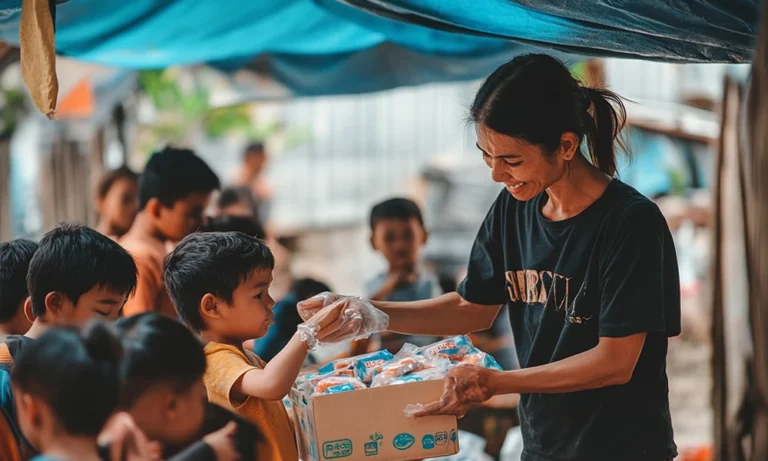
Giving to support children without parental care can be an important charitable commitment. Donors may choose a general orphan charity or a sponsorship programme that provides ongoing support for an individual child. Those looking to sponsor an orphan in Islam may also want to understand how the programme handles donations, what support is provided and how the charitable arrangement reflects their giving intentions.
1. What Does the Charity Actually Provide?
Start by understanding what the organisation means by orphan support. A programme may provide food, education, healthcare, clothing, accommodation or other forms of assistance.
Do not assume that every organisation provides the same package. Ask for a clear explanation of what the donation supports and whether assistance is provided directly to children, through a family or household, or through a wider community programme.
This information can help donors decide if a particular orphan charity matches the type of support they want to provide.
2. How Does the Sponsorship Arrangement Work?
People who want to sponsor an orphan in Islam may wish to understand how individual sponsorship operates.
Ask whether the donation is assigned to a particular child, pooled with other donations or used through a wider child-support programme. Clarify how frequently contributions are made and what happens if circumstances change.
Some organisations may provide updates about the child or programme, while others may focus on general reporting. Donors should understand these arrangements before committing to a recurring contribution.
3. How Are Donations Used?
Transparency is important when choosing a charitable organisation. Donors should look for clear information about how contributions are allocated and what administrative arrangements support the programme.
Ask whether donations are restricted to particular purposes or can be used where the organisation identifies the greatest need.
An orphan charity may need to cover costs related to programme delivery, staff, transportation and administration. The important point is to understand the organisation’s stated approach and how it reports the use of donations.
4. How Can I Understand the Islamic Giving Principles?
Donors who want to sponsor an orphan in Islam may wish to distinguish between different forms of charitable giving.
Islamic charitable practices can include sadaqah, which is voluntary charity, and zakat, which has specific rules concerning eligible recipients and the calculation and payment of zakat. Orphan status alone does not automatically determine zakat eligibility in every situation.
If your donation is intended specifically as zakat, ask whether the organisation accepts zakat and how it determines eligibility. For questions involving your personal zakat obligations, consider consulting a qualified Islamic scholar or trusted religious authority.
This distinction can help donors make sure their intended form of giving is handled appropriately.
5. What Information and Updates Are Provided?
Donors may want to know how they can follow the progress of the programme. Ask whether the organisation provides financial reports, programme updates or information about the children and communities receiving support.
Privacy and safeguarding also matter. Donors should not expect unrestricted access to a child’s personal information.
A responsible programme should protect children while providing donors with enough information to understand how the charitable work operates.
6. What Happens If Circumstances Change?
Before starting a recurring donation, ask what happens if the sponsored child leaves the programme, reaches the relevant age or no longer requires the same form of support.
Also ask how recurring donations can be changed or stopped if the donor’s circumstances change.
Understanding these arrangements can help people make a sustainable commitment rather than agreeing to a donation schedule they may struggle to maintain.
Questions to Ask
Before choosing an organisation, consider asking:
- What support does the programme provide to children?
- How does individual sponsorship work?
- How are donations allocated?
- Can the organisation accept zakat, and how is eligibility handled?
- What updates or reports are provided?
- What happens if a child’s circumstances or programme status changes?
Choosing an orphan charity should involve more than responding to a general appeal. Donors can review the organisation’s purpose, programme structure, transparency and safeguarding approach before giving.
For those who want to sponsor an orphan in Islam, understanding the distinction between voluntary charity and zakat can also help clarify the type of contribution being made. Religious requirements can depend on the nature of the donation and the circumstances of the recipient, so donors with specific zakat questions should seek appropriate scholarly guidance.
A considered donation can be planned around what the donor intends to support, how the organisation operates and whether the commitment is sustainable.
Contact Global Ehsan Relief to learn more about its orphan support programmes and charitable giving options.