
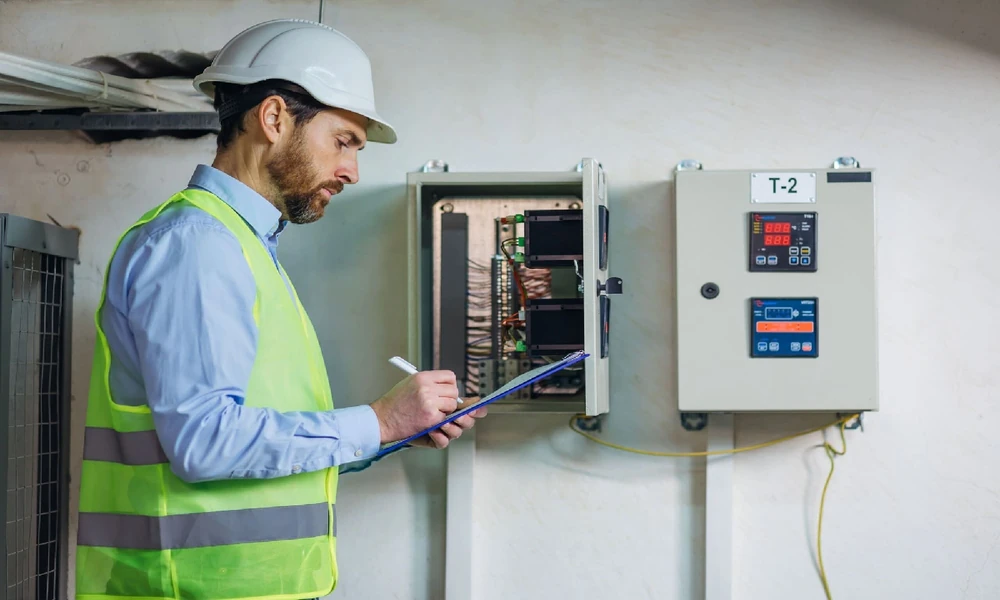
Some electrical repairs and servicing can only be done with the power switched off. Planned shutdowns allow this work to be carried out safely, but they also interrupt operations and carry their own risks if poorly managed. A well-planned shutdown is a central part of electrical maintenance for any commercial or industrial facility. This article explains how to plan a safe shutdown, from early preparation through to restoring power and confirming everything works.
Why Shutdowns Are Necessary
Many maintenance tasks cannot be done safely on live equipment. Servicing high-tension switchgear, tightening busbar connections, replacing breakers and testing protection relays often require isolation. Attempting such work live exposes workers to electric shock and arc flash hazards. A planned shutdown allows these tasks to be completed thoroughly and safely, reducing the risk of failures that could cause unplanned outages later. Shutdowns also provide a chance to inspect equipment closely, which often reveals issues that cannot be seen during normal operation.
Define the Scope of Work
Planning begins with a clear scope. Identify all tasks to be completed during the shutdown, the equipment involved and the expected duration of each task. Combining several tasks into one shutdown reduces the number of interruptions. Pre-shutdown inspections, such as thermal scans and visual checks, help identify additional repairs that should be included while the power is off. Each task should have a named owner and a realistic time estimate based on previous experience.
Assess the Impact on Operations
Every shutdown affects building occupants or production. Identify which areas, systems and tenants will lose power, and for how long. Critical loads such as data centres, medical equipment, refrigeration and life safety systems need special attention. Some may require temporary power from generators. Discussing the impact with stakeholders early allows them to plan around the shutdown and reduces disruption. Lifts, fire alarm panels and access control systems also need attention, since their behaviour during a shutdown affects both safety and security.
Prepare a Switching Programme
A switching programme sets out each switching operation in sequence. It specifies which breakers or isolators are operated, in what order and by whom. Typical steps in a switching programme include:
- Notifying stakeholders before switching begins
- Transferring critical loads to standby supply
- Isolating and locking off equipment
- Proving equipment is dead before work starts
- Restoring supply in a controlled order
Following a written sequence reduces the risk of errors.
Isolation, Lock-Out and Tag-Out
Before work begins, equipment must be isolated from all sources of supply and secured so it cannot be re-energised accidentally. Lock-out devices and warning tags are applied, and the equipment is tested to confirm it is dead. Earthing may be applied to high-tension equipment. These steps are fundamental to safety, and any shortcut can have serious consequences. Clear procedures and supervision help ensure they are followed consistently. Each person working on the equipment should apply their own lock, so power cannot be restored until everyone has finished.
Allocate Competent Personnel
Shutdown work requires qualified people. In Singapore, electrical work must be carried out by or under the supervision of Licensed Electrical Workers. Assign responsibilities clearly, including who will perform switching, who will supervise and who will carry out maintenance tasks. Adequate staffing helps keep the work on schedule. Contractors and facility staff should attend a briefing before the shutdown begins. Rest breaks also matter on long shutdowns, since fatigue increases the risk of switching errors.
Plan for Contingencies
Even well-planned shutdowns can encounter problems. Equipment may reveal unexpected defects, or tasks may take longer than expected. Prepare contingency plans, such as having spare parts on site, arranging additional staff or allowing extra time in the schedule. Planning how to handle a delay or unexpected fault ensures that power can still be restored safely. This is an important part of responsible electrical maintenance planning.
Communicate Clearly Throughout
Good communication keeps everyone informed. Before the shutdown, notify tenants, occupants and operations teams of the date, time and expected duration. During the work, maintain contact between switching personnel and maintenance teams. After the work, confirm when power has been restored. Clear communication reduces confusion and helps stakeholders manage the disruption effectively. Radios or dedicated phone lines are often used so switching instructions are heard and confirmed clearly.
Restoring Power Safely
Restoring power is as important as shutting it down, and afterwards critical systems such as fire alarms, lifts and building management systems must be checked before the building is handed back. Before re-energising, confirm that:
- All work is complete and tools removed
- Locks, tags and earths are cleared
- Protection settings are correct
- Personnel are clear of equipment
Supply should be restored in a controlled sequence, with checks at each stage to confirm normal operation.
Learning From Each Shutdown
After the shutdown, review what went well and what could be improved. Record findings from the maintenance work and update asset records. This information helps plan future shutdowns more efficiently. For facilities that need support with complex shutdowns, a specialist in power shutdown planning and switching operations can prepare the programme and carry out the work safely. Share a short summary with stakeholders so they know what was done and when the next shutdown is likely.

Comments are closed.