
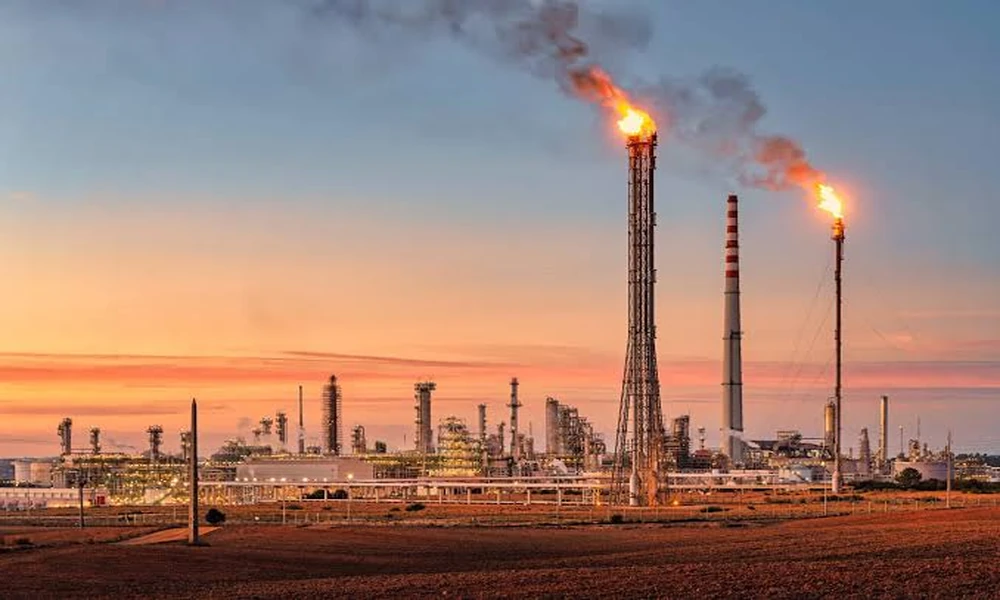
Flaring gas isn’t just an environmental problem. It’s a financial one too. Every cubic foot burned off is revenue walking away, plus a tax bill on top of that loss.
The flare gas to power projects change that math directly. Wasted gas becomes usable electricity instead. That shift shows up in three places at once. Lower flare tax. Lower energy spend. And in some cases, new revenue from selling excess power.
Where the real savings actually show up
- Reduced flare tax, since less gas gets burned off unused
- Lower energy costs, since the site generates its own power
- Reduced diesel and grid dependence for remote operations
- Possible revenue from exporting surplus power to local grids
Production capacity often increases too
Flaring limits can actually cap how much a field is allowed to produce. Remove that constraint, and production can increase.
That’s a direct revenue gain, separate from the power savings themselves. Two financial benefits stack on top of each other, from a single project.
The math changes as a field ages
Early in a field’s life, gas volumes run high. Later, they taper off. A flare to power system that can’t adjust becomes a liability as volumes drop.
Modular equipment scales down instead, so the financial case holds up across the entire life of the field, not just the profitable early years.
Financing removes the biggest objection
A large upfront capital cost kills a lot of otherwise good projects before they start. OPEX based models remove that barrier completely.
A provider builds, finances, and operates the system, with costs tied to actual output. That structure turns a difficult capital decision into a much simpler operating expense instead.
A track record worth checking before committing
A project this size lives and dies on execution. Look for a provider with real, delivered megawatts, not just theoretical capability on a slide deck.
Global experience matters, but so does local experience in your specific region, since local regulation and infrastructure shape the project just as much as the gas itself.
A real world scale to compare against
One flare to power project in Iraqi Kurdistan reached 165 megawatts. That single project eliminated routine flaring completely, and supplied power to the local grid around the clock. Estimated carbon savings ran close to 840 tonnes a day.
Numbers at that scale help put a smaller project into perspective, and show what’s achievable when a flare to power system is sized and financed correctly from the start.
It also relieves pressure on the local grid
Remote oil and gas operations often strain the grids near them, or sit far outside grid reach entirely. Power generated from flare gas can supply nearby communities as well as the operation itself.
That strengthens the social case for the project, alongside the financial one. Regulators and local stakeholders tend to view a project very differently once it starts delivering power beyond the fence line of the facility itself.
Building the case internally takes real numbers
A strong internal business case rarely rests on a single projected saving. It stacks several together, flare tax reduction, energy cost offset, potential production gains, and possible export revenue, into one combined figure finance teams can actually evaluate.
Presenting each benefit separately tends to undersell the project. Presenting them together, with a provider’s real delivered numbers backing each line, tends to move a project from a proposal into an approved budget line much faster.
One more number worth asking for
Ask any provider how many African markets, or markets similar to yours, they’ve actually delivered flare to power projects in. Global totals sound impressive on a brochure. Regional experience is what actually predicts how smoothly your specific project runs.
Theflare gas to power projects rarely pay for themselves through a single benefit. They pay for themselves through several smaller wins, stacked together, over the life of the field.

Comments are closed.